Kottayam Excise Deputy Commissioner Suspended Over Bar Bribery Scandal; More Evidence Emerges
Kottayam Excise Deputy Commissioner S. Ashok Kumar has been suspended following an investigation that uncovered extensive evidence of him accepting bribes from bar owners to allow illegal operational hours and prevent inspections.
Intelligence analysis by Gemini 2.5 Flash
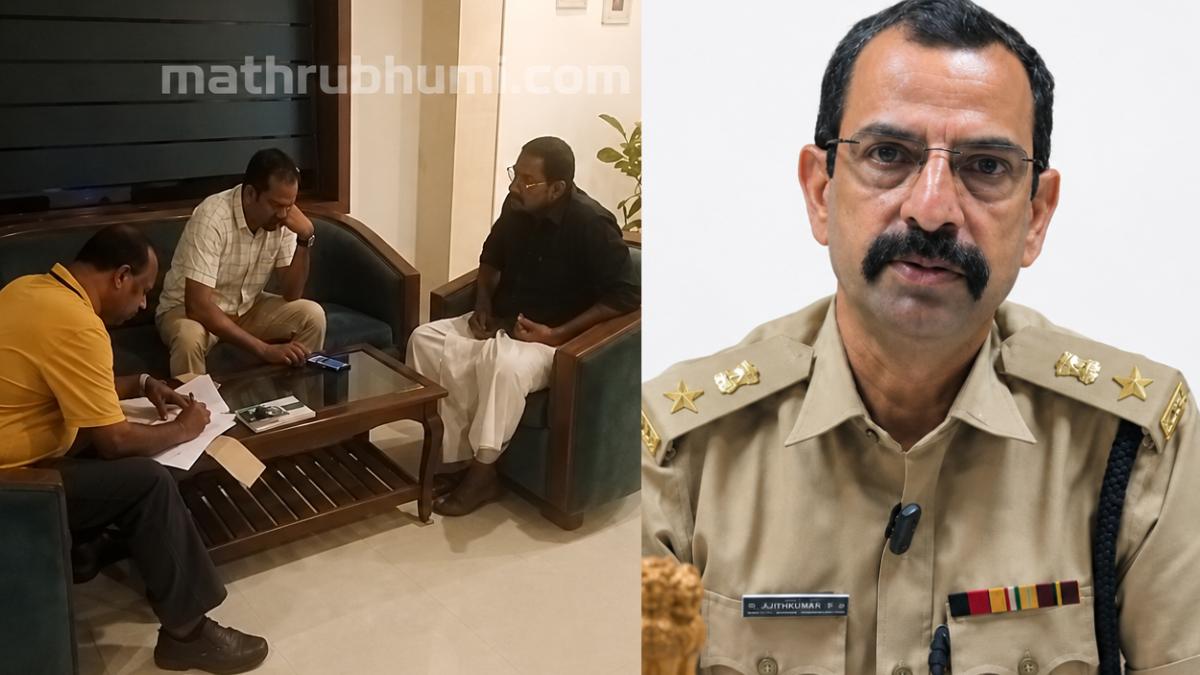
An ongoing probe by Excise Commissioner Sreeram Sambasiva Rao has revealed that Kottayam Excise Deputy Commissioner S. Ashok Kumar facilitated illegal activities for bar owners, including allowing extended operating hours and blocking inspections, in exchange for monthly payments and large sums transferred to his relatives' bank accounts. He has been suspended, and further investigati…
Imagine a referee in a game who is supposed to make sure everyone follows the rules. But this referee, Mr. Ashok Kumar, was secretly taking money from some players to let them cheat, like playing longer than allowed or not getting checked for rule breaks. Now, another important referee, Mr. Sreeram Sambasiva Rao, found out by listening to secret messages and looking at money records, and Mr. Kumar got a timeout from his job.
Analysis
The article details a significant corruption scandal involving S. Ashok Kumar, the Kottayam Excise Deputy Commissioner. The investigation, spearheaded by Excise Commissioner Sreeram Sambasiva Rao, has unearthed substantial evidence pointing to Kumar's complicity in allowing bars to flout operational regulations. This includes permitting establishments to open earlier and close later than legally allowed, a practice facilitated by his "silent consent" as evidenced by audio messages. The scope of the corruption extends beyond mere verbal agreements, with concrete proof of financial transactions.
S. Ashok Kumar
S. Ashok Kumar, as the Kottayam Excise Deputy Commissioner, held a position of authority crucial for enforcing liquor laws and maintaining order in the region's bar industry. The investigation reveals a systematic abuse of this power, where he allegedly leveraged his office for personal gain. His actions not only involved granting illegal operational extensions but also actively obstructing the duties of his subordinates. He reportedly issued directives preventing excise officials from conducting inspections without his explicit permission, effectively creating a protective shield for the non-compliant bars. This deliberate interference undermined the very regulatory framework he was sworn to uphold, allowing a culture of impunity to flourish among certain bar owners.
Sreeram Sambasiva Rao
Excise Commissioner Sreeram Sambasiva Rao played a pivotal role in uncovering this corruption. His investigation was thorough, leading to the collection of diverse and compelling evidence against Ashok Kumar. This included not only audio recordings that captured the deputy commissioner's tacit approval for illegal bar operations but also visual evidence of him receiving monthly payments while out of uniform. Crucially, Rao's team also traced significant financial transactions, revealing that bar owners transferred substantial sums, amounting to lakhs of rupees, into the bank accounts of Ashok Kumar's relatives. These findings were compiled into a detailed report and submitted to the government, directly leading to Kumar's suspension on the minister's directive.
Kottayam
The scandal is centered in Kottayam, a district in Kerala, highlighting localized corruption within the state's excise department. The involvement of a "prominent bar owner in Kottayam" who allegedly collected bribes from other establishments to funnel to Ashok Kumar suggests a well-organized network of illicit activity. This geographical focus underscores how corruption can permeate local administrative bodies, impacting the fairness of business operations and public trust at a regional level. The ongoing investigation aims to determine if this pattern of misconduct extended to Ashok Kumar's previous postings, indicating a potential broader issue of systemic corruption that transcends a single district or tenure. The revelations from Kottayam serve as a critical case study for examining integrity within public service.
Key points
- Kottayam Excise Deputy Commissioner S. Ashok Kumar was suspended over a bar bribery scandal.
- Evidence includes audio messages, visuals of him accepting payments, and bank records of transfers to relatives.
- Kumar allegedly allowed bars to operate beyond legal hours and prohibited subordinates from conducting inspections.
- Excise Commissioner Sreeram Sambasiva Rao led the investigation, submitting a detailed report to the government.
- Further probes are ongoing to identify more involved officials and past irregularities by Kumar.
The suspension of a high-ranking official and the ongoing investigation signal a commitment to tackling corruption within the excise department. This could lead to greater transparency, stricter enforcement of regulations, and a more accountable system, potentially deterring future illicit activities by officials.
Despite the suspension, the deep-rooted nature of such corruption, as suggested by the involvement of multiple bar owners and transfers to relatives' accounts, indicates that this might be an isolated incident rather than a systemic cleanup. There's a risk that similar practices could persist in other regions or departments if the investigation doesn't lead to broader reforms and accountability.