Kowloon Walled City action film sequel’s gritty, nostalgic set draws residents
A detailed film set recreating the iconic Kowloon Walled City for the sequel to 'Twilight of the Warriors: Walled In' is drawing significant public interest in Yuen Long, Hong Kong.
Intelligence analysis by Gemini 2.5 Flash
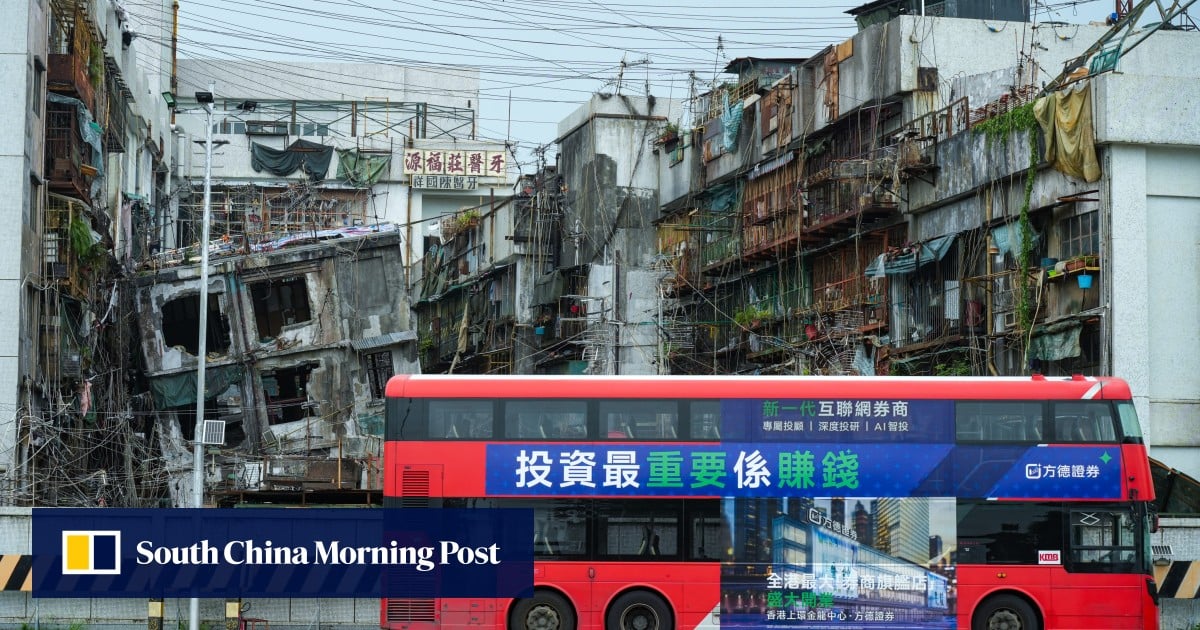
The production of 'Twilight of the Warriors: The Final Chapter' features an elaborate set designed to evoke the gritty atmosphere of the Kowloon Walled City in the late 1980s and early 1990s. This nostalgic recreation, built on an empty factory site, has become an unexpected attraction, aligning with Hong Kong authorities' efforts to convert film sets into tourist spots.
Imagine a movie is being made about a super old, crowded neighborhood in Hong Kong that used to be a real place. To make it look just right, they built a whole fake town that looks exactly like the old one! Now, even though it's just for a movie, people are super excited to see this fake town because it reminds them of a special part of their city's history, and it might even become a cool place for tourists to visit.
Analysis
Recreating a Gritty Past
The film set for 'Twilight of the Warriors: The Final Chapter' is more than just a backdrop; it's a meticulously crafted homage to the infamous Kowloon Walled City. Described as a 'cluster of cluttered flats' designed to evoke a 'gritty Hong Kong slum,' the set captures the essence of the historic enclave before its demolition. Details like a banner reading 'Pleading to give our home a way to survive' underscore the authenticity and nostalgic appeal, transporting viewers and visitors back to a pivotal era in Hong Kong's history. The original film, released in 2024, resonated with audiences by exploring themes of brotherhood among triad gangs in the crime-ridden estate, and the sequel aims to continue this narrative, set in the late 1980s and early 1990s.
From Film Set to Tourist Draw
What began as a production site has organically evolved into a local attraction. Located in a hi-tech industrial estate in Yuen Long, the set has captivated residents, including those who work nearby, like Ben Kock, who observed its transformation without initially realizing its purpose. This public fascination aligns perfectly with recent initiatives by Hong Kong authorities to convert film sets and props into tourist attractions. The detailed and sprawling nature of the set offers a tangible connection to a bygone era, providing a unique experience that blends cinematic artistry with historical recreation. This approach could serve as a blueprint for future cultural tourism endeavors, capitalizing on the city's rich film heritage.
Hong Kong's Heritage and Future
The popularity of the Kowloon Walled City set underscores a broader trend in Hong Kong to embrace and monetize its distinctive cultural identity. As the city seeks to diversify its economy and enhance its appeal as a global destination, leveraging its cinematic and historical assets becomes crucial. The Walled City, despite its complex past, remains a powerful symbol of Hong Kong's resilience and unique urban development. By transforming a temporary film set into a point of public engagement, authorities are not only boosting local tourism but also fostering a sense of collective memory and pride among residents, ensuring that stories from Hong Kong's past continue to resonate in its future.
Key points
- A detailed film set recreating the Kowloon Walled City for a movie sequel is attracting significant public attention in Yuen Long.
- The set for 'Twilight of the Warriors: The Final Chapter' evokes the gritty atmosphere of the historic enclave in the late 1980s and early 1990s.
- The public's interest aligns with Hong Kong authorities' efforts to convert film sets and props into tourist attractions.
- The original film, 'Twilight of the Warriors: Walled In,' was a 2024 blockbuster focusing on triad gangs in the Walled City.
- The set's nostalgic appeal offers a tangible connection to a unique period in Hong Kong's history.
The film set's popularity could lead to its permanent preservation or inspire similar initiatives, boosting Hong Kong's cultural tourism sector and providing a unique attraction that draws both local and international visitors interested in the city's rich history and cinematic legacy.
If the set is dismantled after filming, its potential as a long-term tourist attraction will be lost, representing a missed opportunity to capitalize on public interest and integrate film heritage into Hong Kong's broader tourism strategy.