Lebanese businessman Antoun Sehnaoui hosts Netanyahu in Washington
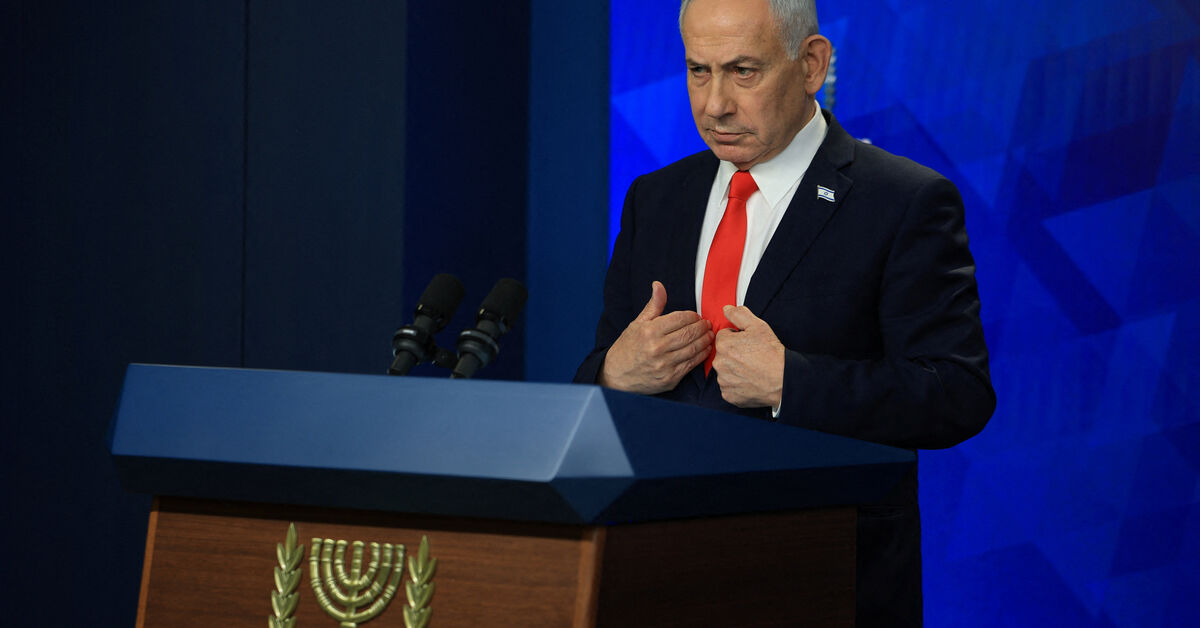
Lebanese businessman Antoun Sehnaoui hosted Israeli Prime Minister Benjamin Netanyahu at a memorial dinner for Senator Lindsey Graham in Washington. The event was attended by several high-profile figures, including US President Donald Trump's senior adviser Stephen Miller…
Intelligence analysis by Llama

Lebanese businessman Antoun Sehnaoui hosted Israeli Prime Minister Benjamin Netanyahu at a memorial dinner for Senator Lindsey Graham in Washington, sparking controversy due to Sehnaoui's alleged links to far-right Christian organisations and corruption allegations.
A Lebanese businessman named Antoun Sehnaoui hosted the Israeli Prime Minister, Benjamin Netanyahu, at a dinner in Washington. This is a big deal because Sehnaoui has been accused of being friends with some people who don't like the Palestinians, and Netanyahu is leading a war in Lebanon that has hurt a lot of people. It's like inviting a friend who is fighting a war to dinner, and it makes people wonder what Sehnaoui is thinking.
Analysis
A $60B Vote of Confidence
The decision by Lebanese businessman Antoun Sehnaoui to host Israeli Prime Minister Benjamin Netanyahu at a memorial dinner for Senator Lindsey Graham in Washington has sparked controversy and raised questions about the motivations behind Sehnaoui's actions. As a prominent figure in Lebanon's financial sector, Sehnaoui has been accused of links to far-right Christian organisations and corruption allegations. His decision to host Netanyahu, who is currently leading a bombing campaign in Lebanon that has killed over 4,300 people, has been met with widespread criticism.
The event was attended by several high-profile figures, including US President Donald Trump's senior adviser Stephen Miller and Israeli ambassador to the US Yechiel Leiter. The presence of these individuals has been seen as a sign of the close ties between the US and Israel, and has raised concerns about the impact of these relationships on the Middle East.
Why Cursor?
Sehnaoui's decision to host Netanyahu has been seen as a vote of confidence in the Israeli prime minister's policies, particularly in light of the ongoing conflict in Lebanon. The event has been seen as a sign of the close ties between Sehnaoui and Netanyahu, and has raised questions about the motivations behind Sehnaoui's actions. As a prominent figure in Lebanon's financial sector, Sehnaoui has a significant amount of influence and power, and his decision to host Netanyahu has been seen as a sign of his commitment to the Israeli prime minister's policies.
The Road Ahead
The controversy surrounding Sehnaoui's decision to host Netanyahu has raised questions about the impact of these relationships on the Middle East. The event has been seen as a sign of the close ties between the US and Israel, and has raised concerns about the impact of these relationships on the region. As the conflict in Lebanon continues, it remains to be seen how Sehnaoui's decision will impact the situation, and what the consequences will be for the region.
Key points
- Lebanese businessman Antoun Sehnaoui hosted Israeli Prime Minister Benjamin Netanyahu at a memorial dinner for Senator Lindsey Graham in Washington.
- The event was attended by several high-profile figures, including US President Donald Trump's senior adviser Stephen Miller and Israeli ambassador to the US Yechiel Leiter.
- Sehnaoui has been accused of links to far-right Christian organisations and corruption allegations.
- The decision has been met with widespread criticism and has raised questions about the motivations behind Sehnaoui's actions.
If Sehnaoui's decision to host Netanyahu is seen as a sign of his commitment to peace and stability in the region, it could potentially lead to increased cooperation between Lebanon and Israel, and a reduction in violence in the region.
However, if Sehnaoui's decision is seen as a sign of his support for Netanyahu's policies, it could potentially lead to increased tensions between Lebanon and Israel, and a continuation of the conflict in the region.