US, Saudi Strike Iraq Alliance in Expanding War
US and Saudi forces targeted an armed Iraqi alliance, expanding the war beyond its main focus in Iran. The strikes follow a short lull in direct US attacks on targets in Iran, with Tehran's allies in Yemen and beyond becoming increasingly drawn in.
Intelligence analysis by Llama
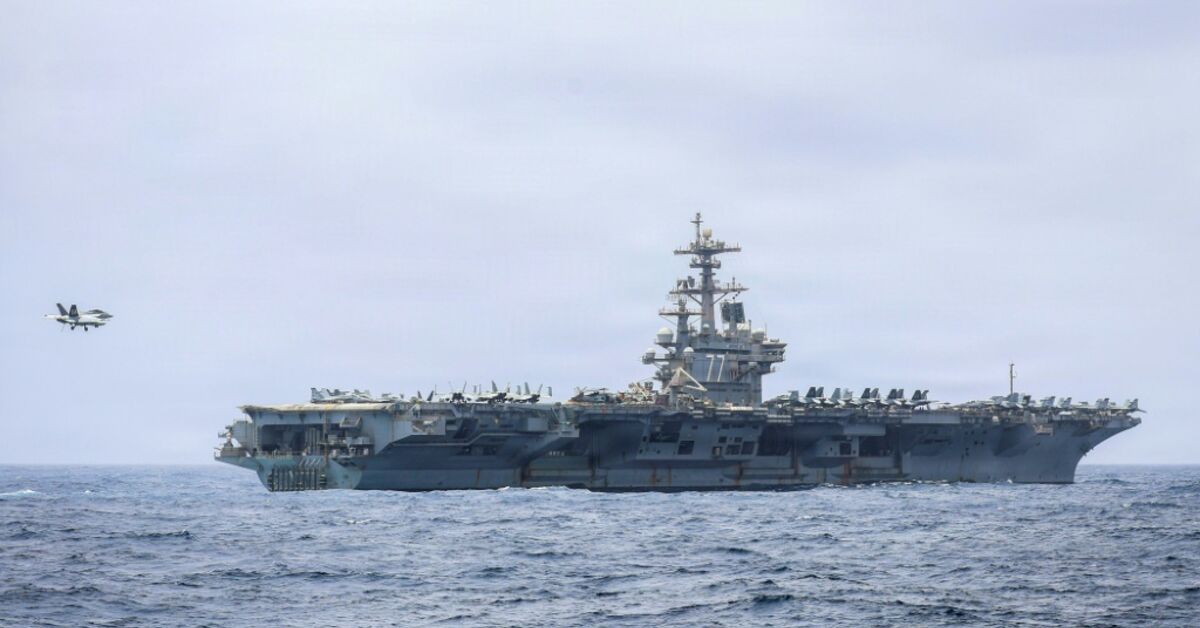
The joint air operation in Iraq targeted logistics and weapons sites belonging to an Iran-aligned group, killing at least 20 members of the Hashed al-Shaabi alliance. The US and Iran are Iraq's main allies, but their enmity has long turned the country into a proxy battleground.
Imagine the Middle East as a big puzzle with many pieces. The US and Iran are two big pieces that don't fit together. They have been fighting for a long time, and now they are drawing in other countries like Saudi Arabia and Iraq. It's like a big game of chess, and the players are getting more and more aggressive. The world is worried that this conflict will spread and cause a lot of problems for everyone.
Analysis
A $60B Vote of Confidence
The joint air operation in Iraq is a significant escalation of the war in the Middle East. The US and Saudi forces targeted logistics and weapons sites belonging to an Iran-aligned group, killing at least 20 members of the Hashed al-Shaabi alliance. This move is a clear indication of the growing tensions between the US and Iran, and the increasing involvement of Saudi Arabia in the conflict.
Why Cursor?
The strikes in Iraq are a response to the recent attacks by what Saudi Arabia called 'terrorist militias loyal to Iran' on its oil facilities. The US military said the attacks were aimed at disrupting the supply of oil to the global market, which has already been hit hard by Iran's blockade of the Strait of Hormuz. The US and Saudi forces are trying to send a clear message to Iran that they will not tolerate any further attacks on their interests.
The Road Ahead
The expanding war in the Middle East has significant implications for global oil supplies and regional security. The strikes in Iraq are a dangerous escalation against an official security institution and may lead to further instability in the region. The US and Iran are locked in a cycle of violence, and it is unclear how this conflict will be resolved. One thing is certain, however: the situation in the Middle East is becoming increasingly volatile, and the world is watching with bated breath.
Key points
- US and Saudi forces targeted an armed Iraqi alliance in a joint air operation.
- The strikes killed at least 20 members of the Hashed al-Shaabi alliance.
- The US and Iran are Iraq's main allies, but their enmity has long turned the country into a proxy battleground.
- The expanding war in the Middle East has significant implications for global oil supplies and regional security.
- The strikes in Iraq are a dangerous escalation against an official security institution and may lead to further instability in the region.
If the US and Iran can find a way to negotiate a peaceful resolution to their differences, the conflict in the Middle East could be brought under control. This would allow for the flow of oil to resume and for regional stability to be restored.
The expanding war in the Middle East has the potential to lead to a major conflict between the US and Iran, with significant consequences for global oil supplies and regional security. The strikes in Iraq are a dangerous escalation against an official security institution and may lead to further instability in the region.
Market signals
- Crude Oil The strikes revived fears about global supplies, already hit hard by Iran's blockade of the Strait of Hormuz and more recently by Houthi threats to Saudi exports.
AI-generated analysis of potential market relevance. Not financial advice.