Lebanon and Israel at the Negotiating Table as Explosions Rock the South
Day two of the seventh round of Lebanon-Israel talks opened in Rome with no breakthrough on border demarcation, while Israeli forces carried out fresh demolitions in southern Lebanese towns.
Intelligence analysis by Llama
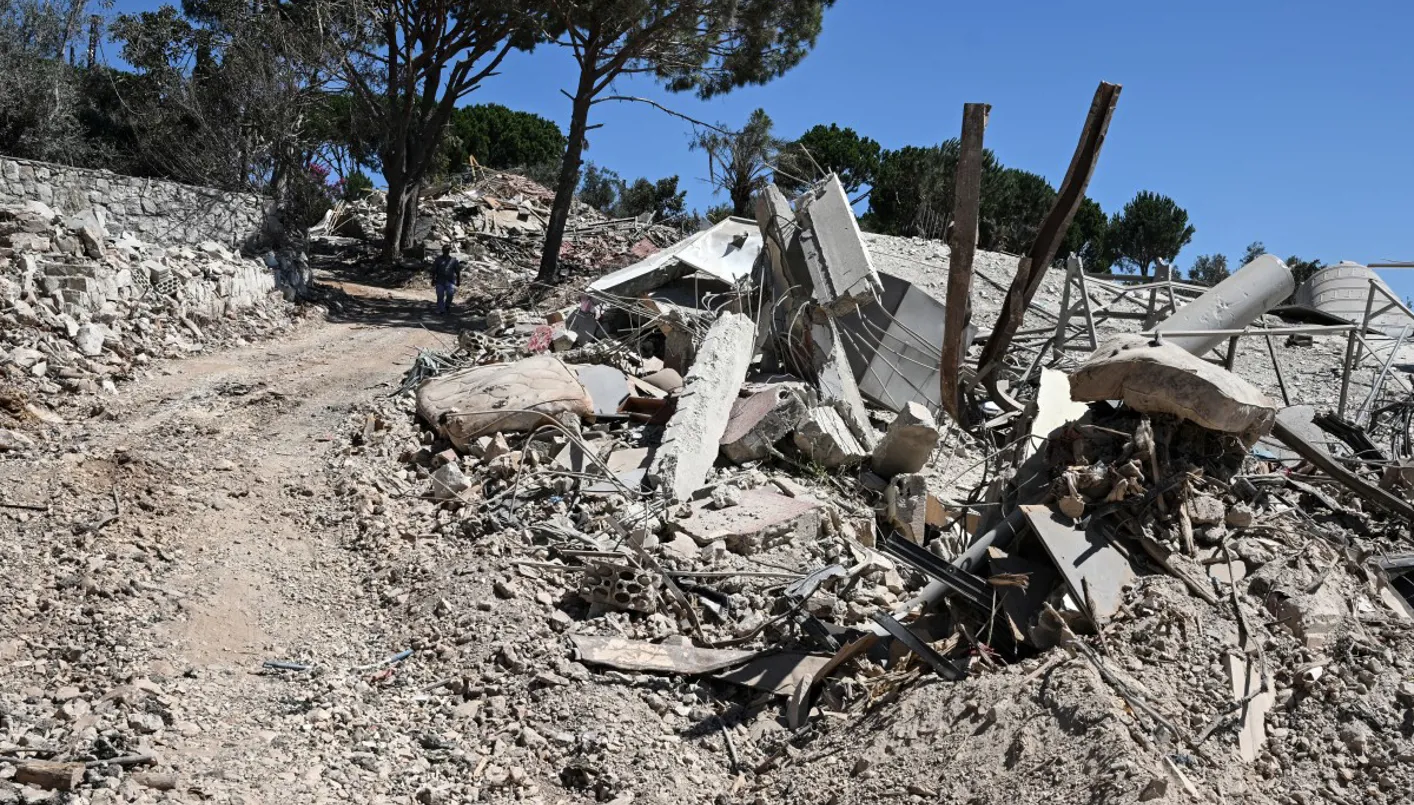
The seventh round of Lebanon-Israel negotiations continued in Rome without progress, as Israeli forces conducted explosions in southern Lebanon. Hezbollah chief Naim Qassem publicly rejected direct talks, calling them a source of shame.
Lebanon and Israel are trying to agree on where their border should be and how the Israeli army will leave southern Lebanon. While diplomats talk in Rome, the Israeli army is still blowing up things in Lebanese villages, and a powerful group called Hezbollah says it doesn't want these talks at all.
Analysis
Rome Returns to the Border File, Not Breakthroughs
Negotiators from Lebanon and Israel gathered in the Italian capital for the second day of their seventh round of talks, with the agenda dominated by border demarcation and the verification mechanisms that would accompany any deal. According to the article, the first day produced no breakthrough, and Israeli media reported that Tel Aviv will not agree to expanding the so-called "experimental zones" where the Lebanese army is supposed to deploy as a precursor to Israeli withdrawal. The framework agreement signed on June 26, 2026 — after five earlier rounds — anchors the entire process, calling for the disarmament of Hezbollah, a phased Israeli pullback from occupied territory in the south, and Lebanese army deployment starting in limited pilot areas. Prime Minister Nawaf Salam used a cabinet meeting Monday to push publicly for successive Israeli withdrawals culminating in a full pullout, an outcome that remains distant on the evidence of the Rome session.
Demolitions in the South Overshadow the Diplomatic Theatre
Even as delegations sat across from each other in Rome, the Israeli military was detonating charges in the southern Lebanese towns of Kfar Tebnit and Hatha (Bint Jbeil district), with another blast reported in Zawtar al-Sharqiya. The Israeli army claimed it had destroyed underground Hezbollah infrastructure in the security zone and located a weapons depot. Lebanon is demanding that Israel halt the wide-scale demolition and detonation campaign, most recently seen around the historic Shaqif Citadel. The visual gap between polite talks in a European capital and the controlled explosions in border villages underlines the trust deficit that any agreement would have to overcome, and gives Lebanese negotiators a domestic political reason to harden their demands.
Hezbollah's Public Rejection Complicates Beirut's Position
Hezbollah secretary-general Naim Qassem used a televised address Tuesday to reject direct negotiations outright, arguing they would bring Lebanon only "shame, humiliation, disappointment and successive concessions." He accused Lebanon's political authority of acting as an "aid to Israel rather than to Lebanese sovereignty" and said President Joseph Aoun had failed to play the role of an impartial referee. Under the framework deal, the Lebanese army is supposed to disarm Hezbollah in the experimental zones and forbid any non-state military presence, a sequence that explicitly targets the party's armed wing. Qassem's televised posture raises the political cost for Beirut of signing anything Israel might later characterize as a concession, and signals that even a successful Rome outcome would face fierce domestic pushback from the country's most powerful non-state actor.
Key points
- Day two of the seventh round of Lebanon-Israel negotiations opened in Rome with no breakthrough on border demarcation or verification mechanisms.
- Israeli forces carried out controlled explosions in the southern Lebanese towns of Kfar Tebnit, Hatha and Zawtar al-Sharqiya, claiming to have destroyed underground Hezbollah infrastructure.
- Israeli media report Tel Aviv will not agree to expanding the experimental zones in which the Lebanese army is meant to deploy ahead of an Israeli pullout.
- The framework agreement signed June 26, 2026 commits the parties to Hezbollah disarmament and a phased Israeli withdrawal from southern Lebanon.
- Hezbollah leader Naim Qassem publicly rejected direct negotiations with Israel, accusing Lebanon's political leadership of acting as an aid to Israel rather than to Lebanese sovereignty.
If the Rome track advances, the Lebanese army could begin deploying in additional experimental zones, the Israeli army could begin a phased withdrawal, and the demolitions in southern Lebanese border towns could be paused — turning the June framework into a working arrangement rather than a paper pledge.
Without movement on the experimental zones and with demolitions continuing around sites like Shaqif Citadel, the talks could collapse back into confrontation. Hezbollah's open rejection of the process risks splitting Lebanon's position at the table and creating the political conditions for renewed escalation in the south.