Listen to journalist Reza Valizadeh's voice memo from Iran's Evin Prison here
CBS News obtained a voice memo from jailed Iranian American journalist Reza Valizadeh, who urged a U.S. response tied to detainee releases and medical care.
Intelligence analysis by GPT-5.4 Mini
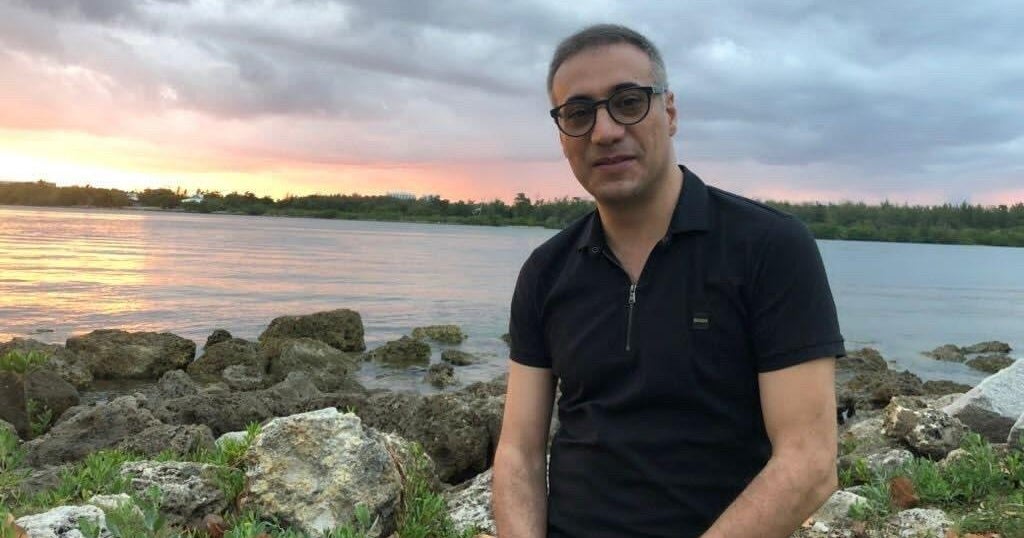
Reza Valizadeh, detained for more than a year in Tehran's Evin Prison, used a voice memo to press the U.S. government on prisoner swaps and treatment for detained Americans. CBS says the memo reflects his claim that Washington could have pushed harder after the release of Iranian sailors.
A reporter locked in a prison in Iran sent a short message asking the U.S. to help him and other Americans there. He says the U.S. gave away something important but did not get much back, like trading a toy and not asking for yours in return.
Analysis
What Valizadeh said
CBS News says it obtained a voice memo recorded by Iranian American journalist Reza Valizadeh from Evin Prison in Tehran, where he has been detained for over a year. In the recording, he says that while three American citizens and he are imprisoned in Iran, the United States released 20 Iranian sailors on May 21 and could have used that moment to seek an exchange.
His main complaint
Valizadeh argues that the U.S. government could have asked for his release, or at least pushed for real medical care for detained Americans. He says he and the other detainees are suffering from diseases and are being denied proper treatment. He also refers to what he describes as physical pressure and mental torture, asking what concessions the U.S. received in return for releasing the sailors.
CBS context
CBS notes that Valizadeh may have been referring to the May 4 seizure of the motor vessel Touska, when U.S. Central Command said 22 crew members were taken from the vessel after it tried to run through a U.S.-enforced blockade. The report does not say the two events were definitely the same, only that the dates and numbers may not line up exactly.
Why the memo matters
The memo turns a prison complaint into a public message about the bargaining power of the U.S. government. It also adds a human dimension to a broader diplomatic issue: how Washington handles Americans detained in Iran and whether releases of Iranian nationals or sailors can be used to secure better treatment or freedom for U.S. citizens.
The article is short and mostly presents the audio itself, so the facts are limited to the memo, CBS's framing, and the note clarifying a possible factual mismatch in Valizadeh's reference.
Key points
- CBS News says it obtained a voice memo from Iranian American journalist Reza Valizadeh, who has been held in Evin Prison for more than a year.
- Valizadeh says the U.S. could have sought his release, or at least medical care, when it released Iranian sailors.
- He says he and three other American citizens are imprisoned in Iran and are suffering from diseases without proper treatment.
- CBS adds that he may have been referring to the May 4 seizure of the motor vessel Touska, which involved 22 crew members.
- The report is primarily a prison plea and diplomatic appeal, not a full policy analysis.
If the memo draws attention, it could increase pressure on officials to push harder for better treatment or a deal involving detained Americans in Iran. It could also keep the issue in public view, which sometimes helps when governments negotiate quietly.
If the message does not change policy, Valizadeh and the other detainees could remain in prison with limited medical care. The apparent mismatch in the dates and ship details also leaves room for confusion about the underlying exchange he is criticizing.