Live Updates: Adviser to Iran's supreme leader says "ball is in Trump's court"
Iran says U.S.-Iran talks are stuck, while Trump says the conflict will end soon. New drone activity near the Strait of Hormuz keeps shipping and oil markets on edge.
Intelligence analysis by GPT-5.4 Mini
CBS News is tracking a widening Iran crisis that mixes diplomacy, military pressure, and market risk. Iran wants frozen assets unfrozen and says the U.S. must move first; Trump says the war is nearing an end, either through a deal or a harder route.
This is like two sides arguing over who should move first while a hallway full of people waits. Iran says the U.S. must act, Trump says the fight will end soon, and the trouble is already affecting ships, oil, and prices.
Analysis
Diplomacy is stalled
Mohsen Rezaei, a military adviser to Iranian Supreme Leader Mojtaba Khamenei, told CNN that U.S.-Iran negotiations are "at a deadlock" and said "the ball is in Trump's court." He said Iran wants the U.S. to unfreeze billions of dollars in Iranian assets as a trust-building step.
Rezaei also warned that if the U.S. blockade is not lifted and the war continues, Iran could broaden the conflict by targeting U.S. bases and extending it toward the Indian Ocean, the Mediterranean, and the Bab al-Mandab Strait. He rejected the idea of a future meeting between Trump and the supreme leader, saying the talks have been stalled by Trump.
Trump projects confidence
Trump told reporters and supporters that the Iran war is "largely finished" and said it will end either "with a piece of paper" or "a more difficult way." He said his goal is to keep Iran from getting a nuclear weapon and added that the situation with Iran "seems to be going quite well."
The White House is also tying the conflict to energy prices. Trump said a lot of oil is still moving through the Strait of Hormuz, which he suggested is helping keep prices below what they otherwise would be. Kevin Hassett, the National Economic Council director, said gas and fertilizer prices should fall once a deal is reached and the strait reopens.
The fighting is still active
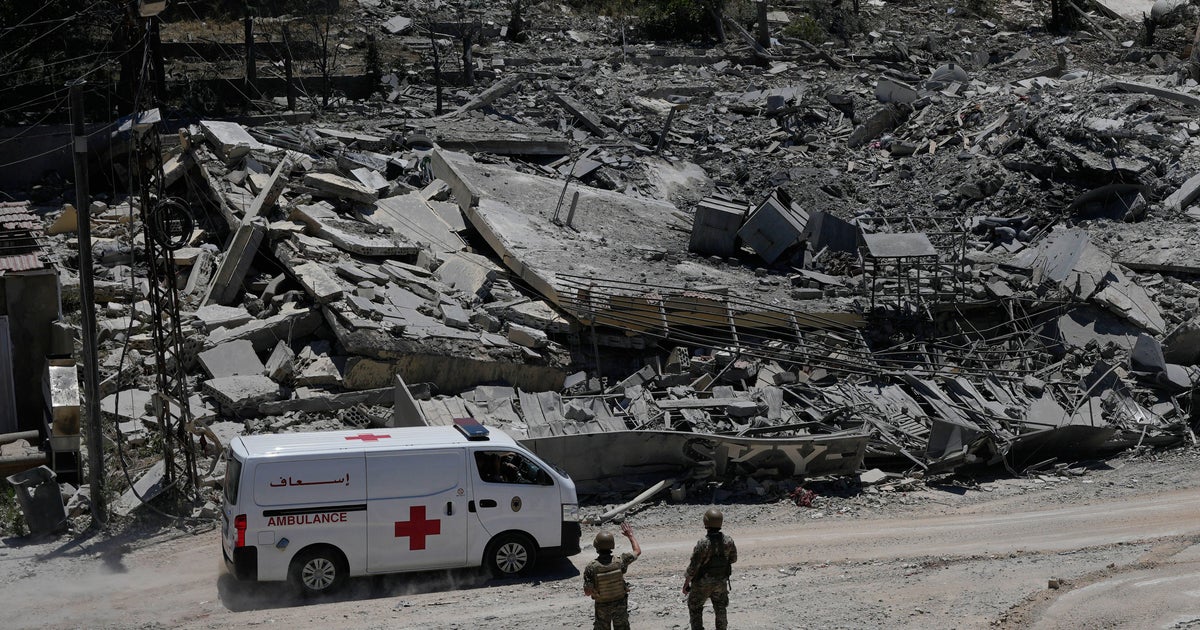
CBS News also reported Iranian drones heading toward the Strait of Hormuz, with U.S. forces shooting down at least four and no ships hit so far. Separate updates described continued violence in Lebanon, where Hezbollah rejected a ceasefire arrangement and Israeli strikes were reported.
The live updates paint a picture of a conflict that is still moving on multiple fronts even as the U.S. says it remains in a ceasefire with Iran.
Key points
- An Iranian adviser said U.S.-Iran talks are deadlocked and urged the U.S. to move first.
- Trump said the war will end either through a deal or a more difficult path.
- CBS News reported Iranian drones headed toward the Strait of Hormuz, with U.S. forces shooting down at least four.
- The article links the conflict to gas, fertilizer, and oil prices in the U.S. and abroad.
- Fighting involving Hezbollah and Israel is complicating any broader peace deal.
If the talks move forward, the article says frozen Iranian assets could be unsealed and a deal could reopen the Strait of Hormuz. That could ease pressure on gas and fertilizer prices and reduce the risk to ships passing through the area.
If negotiations stay deadlocked, Rezaei warned that Iran could expand the war by attacking U.S. bases and widening the conflict to key shipping routes. Continued fighting in Lebanon and drone activity near the Strait of Hormuz could keep markets and security conditions unstable.