Live Updates: Iran launches deadly attack on Kuwait airport after U.S. strikes, as Trump says talks ongoing
Iran fired missiles and drones at Kuwait, killing one person and wounding dozens, as U.S.-Iran tensions rose again and Trump said talks were still going on.
Intelligence analysis by GPT-5.4 Mini
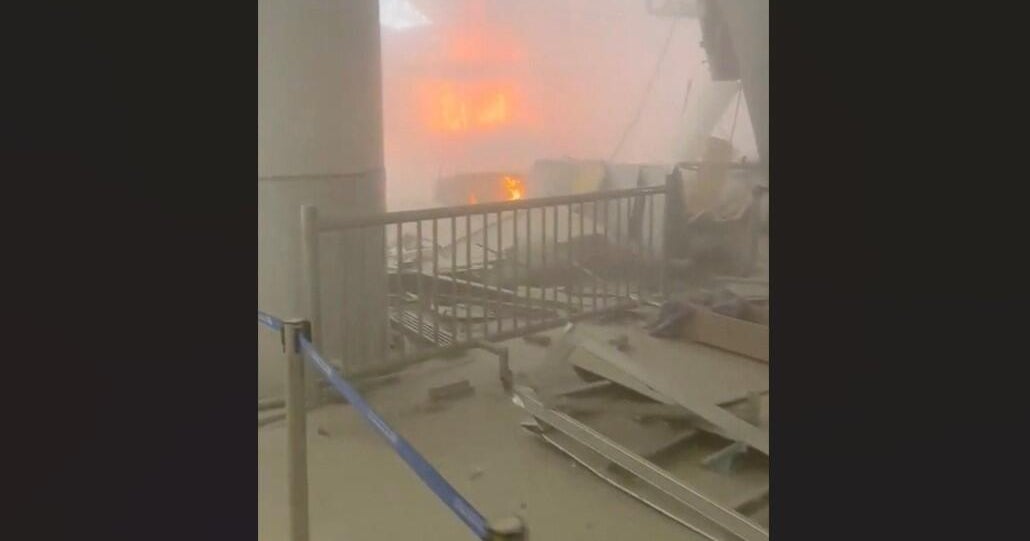
The live update says a retaliatory Iranian strike hit Kuwait International Airport after more U.S. attacks, making the ceasefire look shaky. Trump said indirect talks with Iran were continuing even as the fighting and political pressure intensified.
A fight between countries around Iran and the U.S. got worse again, and a missile-and-drone attack hit an airport in Kuwait. It is like a small spark near a gas tank: even one new blast can make prices, talks, and safety feel shaky fast.
Analysis
What happened
Kuwait said an Iranian missile and drone attack hit its international airport, killing one person and injuring dozens. The article says Iran described the strike as retaliation for a new round of U.S. airstrikes on Iranian military positions, which Central Command called "self-defense strikes."
Diplomatic pressure
The latest exchange of fire made the already fragile U.S.-Iran ceasefire look more uncertain. President Trump denied Iranian media reports that Tehran had suspended indirect negotiations with the U.S. over Israel's war with Hezbollah in Lebanon, and he said those talks were still "going on continuously."
Trump, Netanyahu, and the wider conflict
The live update also says Trump confirmed he had called Israeli Prime Minister Benjamin Netanyahu "f---ing crazy" during a tense phone call, saying he was frustrated that Israel's fighting with Hezbollah was slowing peace efforts with Iran. Netanyahu played down the blowup as a tactical disagreement and said both sides still find ways to work things out.
Netanyahu also said he believes Trump can try diplomacy on Iran's nuclear program, but he argued Israel still needs Hezbollah disarmed and Lebanon demilitarized. Separate talks between Lebanese and Israeli officials were set to continue in Washington to bolster the U.S.-brokered ceasefire that both sides have accused each other of violating.
Market impact
The article says the flare-up pushed Brent crude back toward $100 a barrel and weighed on U.S. stocks. That reflects a broader concern in the article: even short bursts of conflict in the region can move oil, inflation expectations, and markets quickly.
Key points
- Kuwait said an Iranian missile and drone attack hit Kuwait International Airport, killing one person and injuring dozens.
- Iran said the strike was retaliation for another round of U.S. airstrikes on Iranian military positions.
- Trump said indirect talks with Iran were still ongoing, despite reports that Tehran had suspended them.
- Trump confirmed he had a tense call with Netanyahu over Israel's fighting in Lebanon and its effect on diplomacy.
- Oil prices and U.S. stocks reacted to the renewed tension, with Brent crude moving back toward $100 a barrel.
If the talks continue, the U.S. and Iran could still reach an agreement that lowers the fighting. The article also suggests Wall Street is hoping for a deal that would help reopen the Strait of Hormuz and steady oil flows.
If the strikes keep trading back and forth, the ceasefire could unravel further and cause more deaths and injuries. The article also shows that markets and oil prices can rise quickly when the conflict intensifies, adding pressure to the global economy.