Live Updates: Iran says attacks halted as Trump tells Tehran, Israel to "stop 'shooting'" on war's 101st day
Iran said it halted operations after Trump urged Israel and Iran to stop fighting, and Israel said it had paused attacks amid fragile ceasefire efforts.
Intelligence analysis by GPT-5.4 Mini
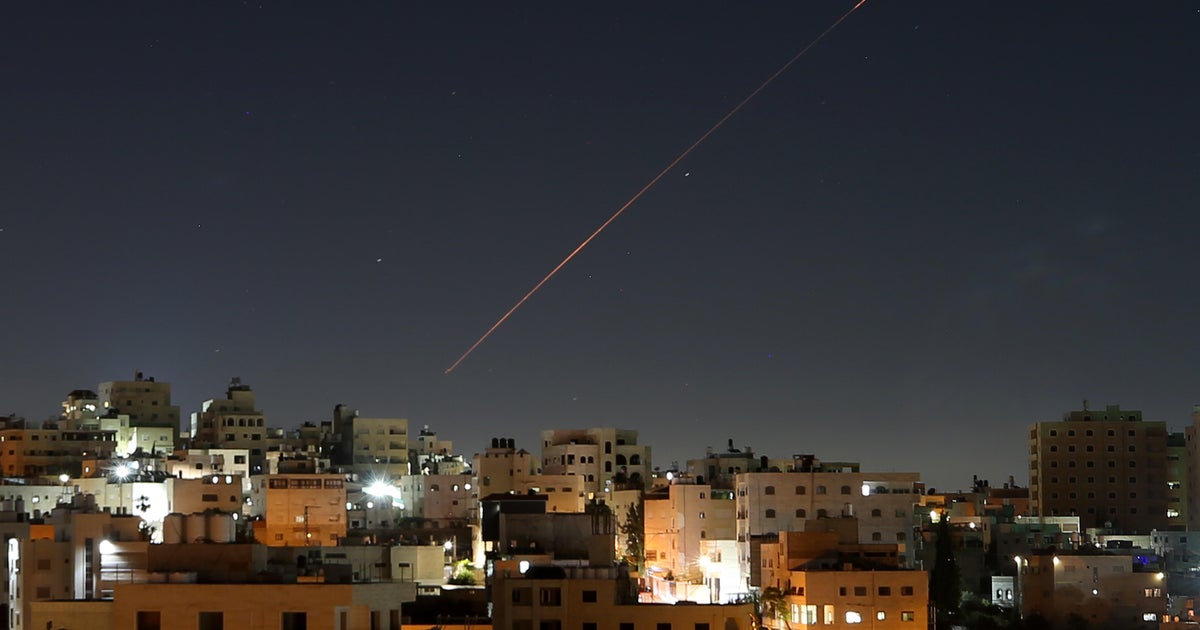
The live updates describe a sudden pause in the latest Iran-Israel exchange after Trump publicly pressed both sides to stop shooting. Iran said it would halt operations if Israel stopped its strikes, while Israeli leaders said their attacks had been stopped for now but warned the conflict was not over.
Two countries were trading blows, and then the U.S. president told them to stop. Iran said it would pause if Israel paused too, like two kids agreeing to put down sticks before someone gets hurt worse.
Analysis
What happened
Iran’s military said Monday that it was halting operations after a sharp exchange of fire with Israel. The pause came after President Trump told both sides to “immediately stop 'shooting'” and said they were seeking an “immediate ceasefire.”
How the response unfolded
Israeli Prime Minister Benjamin Netanyahu said Israel had stopped attacking Iran and Hezbollah in Lebanon, calling the fighting halted “right now” but warning that Israel would respond forcefully if Iran attacked again. Israel’s defense minister said operations in Lebanon would continue against Hezbollah and rejected Iran’s threats.
The article frames the episode as the biggest escalation since a ceasefire was signed in early April. Iran said its halt depended on Israel stopping strikes, including those in southern Lebanon. Israeli media also reported that Israel had stopped strikes on Iran while keeping pressure on Hezbollah.
Wider fallout
The live updates also note damage to a UNESCO World Heritage site in Tyre, Lebanon, after Israeli bombardment, with Lebanese officials describing debris and damage at the site. Elsewhere, Yemen’s Houthi rebels said they were banning Israeli vessels from the Red Sea and announced a missile attack on Israel.
The piece includes signs that diplomacy is still active: Pakistan’s prime minister said a diplomatic solution was “just about to be achieved,” while U.S. markets were reported to be easing as tensions cooled. But the reporting repeatedly stresses how fragile the pause is, with both Iran and Israel warning that further attacks could bring a stronger response.
Key points
- Iran said it was halting operations after Trump urged both sides to stop fighting.
- Netanyahu said Israel had stopped attacks on Iran and Hezbollah but warned it would respond forcefully to any new strike.
- Israel’s defense minister said operations in Lebanon against Hezbollah would continue.
- Lebanese officials said Israeli bombardment damaged a UNESCO World Heritage site in Tyre.
- Pakistan’s prime minister said a diplomatic solution was close, but the situation remained tense.
If the pause holds, it could give diplomats time to push a ceasefire and keep the fighting from spreading further. That could also calm shipping routes and reduce pressure on markets that were reacting to the conflict.
The halt is fragile because both sides are still warning about retaliation if attacks continue. If strikes resume in Lebanon or against Iran, the fighting could widen again and pull in more regional actors.