Live Updates: Trump says Iran took "too long" to negotiate, will "pay the price" as war appears to reignite
Trump said Iran will "pay the price" as a fragile ceasefire unraveled after a U.S. Apache was downed and both sides traded strikes.
Intelligence analysis by GPT-5.4 Mini
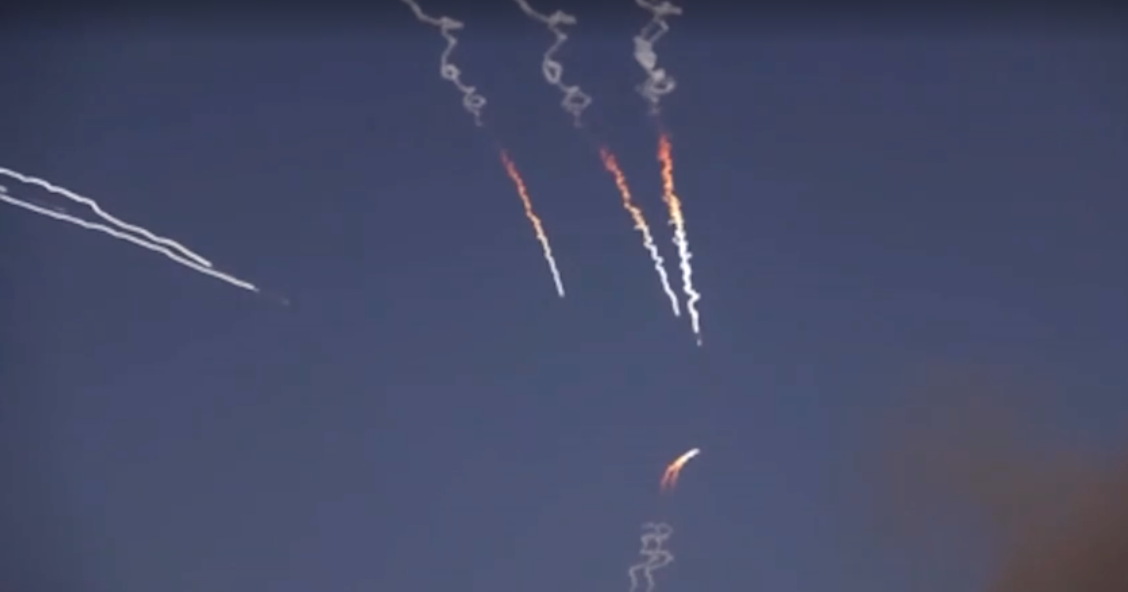
The live updates describe a fast-moving escalation: U.S. retaliatory strikes hit nearly 20 Iranian targets after an Apache helicopter was shot down, while Iran answered with drone and missile attacks on U.S.-linked sites in Bahrain, Kuwait, Jordan, and elsewhere.
Two countries stopped agreeing and started hitting each other again after a helicopter was shot down. It is like two kids saying they will stop fighting, then one throws a ball hard, and both start throwing back while the neighbors try to stay safe.
Analysis
What happened
The article says the fragile ceasefire between the U.S. and Iran appeared to collapse after an exchange of fire tied to the downing of a U.S. Army Apache helicopter near the Strait of Hormuz on Monday evening. President Trump said Iran had taken too long to negotiate and would have to "pay the price," framing the situation as a response to Iranian intransigence.
The military response
According to the live updates, U.S. forces carried out "self-defense" airstrikes on Iranian targets after the helicopter attack. A U.S. official told CBS News that the strikes hit nearly 20 targets, including air defenses, radar sites, and ground control stations. The article says the two-member crew from the Apache was rescued in the first U.S. military rescue operation using a sea drone.
Iran's retaliation and regional spillover
Iran said it launched drone attacks on U.S. military installations in Bahrain and Kuwait, and it also claimed attacks targeting Jordan. Jordan said it shot down five incoming Iranian missiles aimed at Muwaffaq Salti Air Base, which has hosted American aircraft. The article adds that there were no immediate reports of impacts in some locations, with weapons intercepted by air defenses.
Broader risk
The live updates also note a tanker near the Strait of Hormuz that reportedly issued a distress call after being struck by a missile, underscoring the risk to shipping in a chokepoint already central to global energy flows. Iran's foreign ministry accused the U.S. of sending contradictory messages and said the strikes were damaging the diplomatic process.
Key points
- Trump said Iran had taken too long to negotiate and would have to "pay the price."
- U.S. forces carried out retaliatory strikes on nearly 20 Iranian targets, including air defenses and radar sites.
- Iran said it launched drone attacks on U.S. installations in Bahrain and Kuwait and missile attacks toward Jordan.
- Jordan said it shot down five Iranian missiles and reported no injuries.
- A tanker near the Strait of Hormuz reportedly reported a missile strike and fire in its engine room.
If the attacks remain limited and defenses keep intercepting missiles and drones, the fighting could stop short of a wider war. The article also suggests negotiations could still continue if both sides decide the cost of further escalation is too high.
The strikes could keep escalating if each side treats every attack as a reason to respond harder. The article also shows risk to U.S. forces and to shipping near the Strait of Hormuz, which could widen the conflict beyond the immediate military exchange.