Low Water Levels: German Barge Industry Warns of Potential Split of the Rhine River
Low water levels in the Rhine River may cause the transport route to be interrupted in the middle section. The German Barge Industry warns of the potential split of the Rhine River due to the lack of rainfall.
Intelligence analysis by Llama
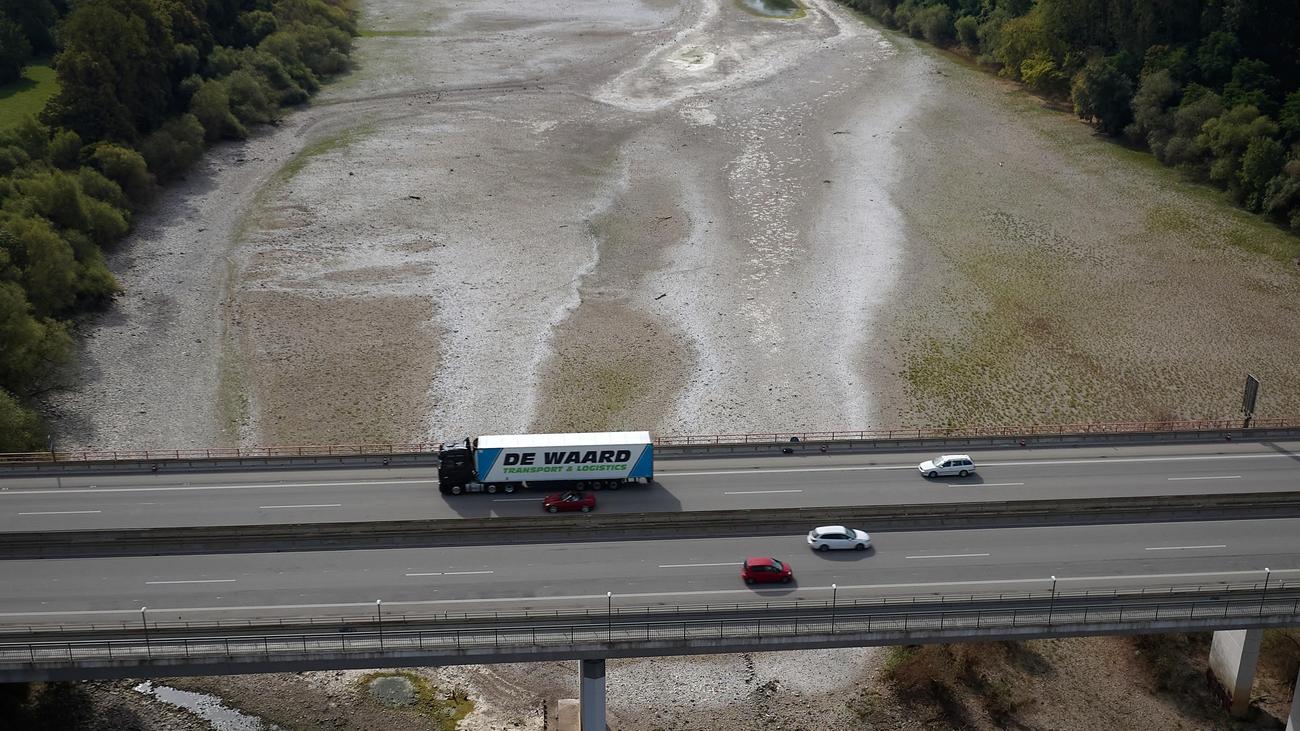
The German Barge Industry is warning of the potential split of the Rhine River due to low water levels. The industry is concerned that the transport route may be interrupted in the middle section, affecting both commercial and recreational shipping.
Imagine the Rhine River as a big highway for boats. If the water level gets too low, the boats can't pass through, and it's like a traffic jam. This can affect the transportation of goods and even the environment. The German government and the barge industry are working together to find a solution to this problem.
Analysis
Rhine River Water Levels: A Growing Concern
The Rhine River is a vital transportation route for Germany, with millions of tons of goods being transported through it every year. However, the recent low water levels in the river have raised concerns about the potential split of the Rhine River. The German Barge Industry is warning of the potential consequences of this event, including the interruption of the transport route in the middle section.
Impact on the Economy
The potential split of the Rhine River has significant implications for the German economy. The river is a crucial transportation route for goods, and any disruption to this route could lead to a significant increase in transportation costs. This could have a ripple effect on the economy, affecting businesses and industries that rely on the river for transportation.
Environmental Concerns
The potential split of the Rhine River also raises environmental concerns. The river is home to a diverse range of plant and animal species, and any disruption to the river's ecosystem could have long-term consequences. The German government has been working to mitigate the effects of low water levels on the river, but more needs to be done to protect this vital resource.
What's Next?
The German government has announced plans to hold emergency meetings with the Bundesverkehrsministerium to discuss the potential split of the Rhine River. The industry is calling for increased investment in the river's infrastructure to prevent such events in the future. It remains to be seen how the situation will unfold, but one thing is certain: the potential split of the Rhine River is a growing concern that needs to be addressed.
Key points
- Low water levels in the Rhine River may cause the transport route to be interrupted in the middle section.
- The German Barge Industry is warning of the potential split of the Rhine River.
- The potential split of the Rhine River has significant implications for the German economy and the environment.
- The German government has announced plans to hold emergency meetings with the Bundesverkehrsministerium to discuss the potential split of the Rhine River.
- Increased investment in the river's infrastructure could help to prevent such events in the future.
If the German government and the barge industry work together to find a solution to the low water levels, it's possible that the transportation route can be maintained, and the economy can continue to thrive. Additionally, increased investment in the river's infrastructure could help to prevent such events in the future.
If the low water levels persist, it's possible that the transportation route will be interrupted, leading to a significant increase in transportation costs and a ripple effect on the economy. Additionally, the environmental consequences of a disrupted river ecosystem could be severe and long-lasting.