Germany's New Transport Minister to Link Bonuses to Punctuality Targets
Germany's new transport minister, Steffen Bilger, plans to link bonuses for Deutsche Bahn managers to punctuality targets. This move aims to increase pressure on the company to improve its performance. Bilger's proposal has received support from various parties, including…
Intelligence analysis by Llama
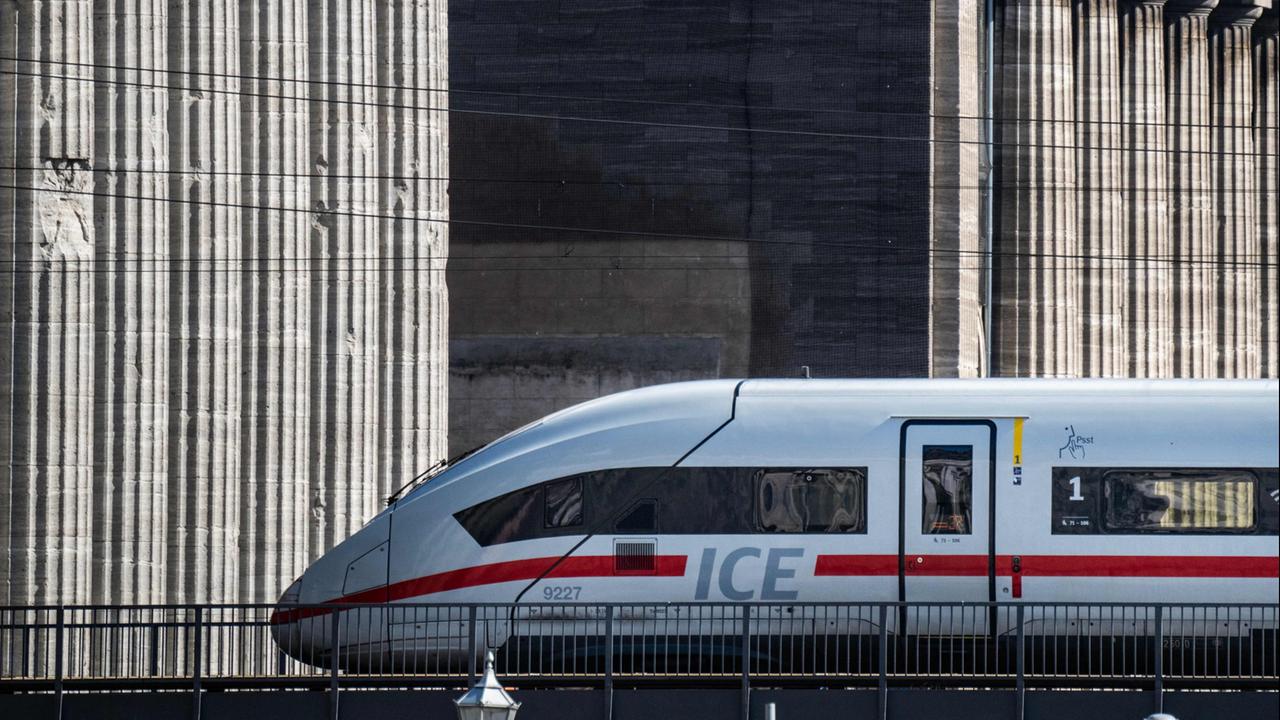
Germany's new transport minister, Steffen Bilger, plans to link bonuses for Deutsche Bahn managers to punctuality targets. This move aims to increase pressure on the company to improve its performance. Bilger's proposal has received support from various parties, including the SPD and the Greens, who have called for more investment in the country's rail infrastructure.
Germany's new transport minister, Steffen Bilger, wants to make sure that Deutsche Bahn's managers get bonuses only if the trains run on time. This is because the trains have been running late a lot, and people are getting frustrated. Bilger's plan is to make the managers work harder to get the trains running on time, so that they can get their bonuses. This is a good idea because it will make the managers try harder to get the trains running on time, and it will make the trains run more smoothly for the passengers.
Analysis
Punctuality Targets and Bonuses: A New Approach for Deutsche Bahn
Germany's new transport minister, Steffen Bilger, has announced plans to link bonuses for Deutsche Bahn managers to punctuality targets. This move aims to increase pressure on the company to improve its performance and meet its targets. Bilger's proposal has received support from various parties, including the SPD and the Greens, who have called for more investment in the country's rail infrastructure.
The current system of bonus payments for Deutsche Bahn managers has been criticized for being too lenient. According to recent research, the company's managers received around three million euros in bonus payments last year, despite the company's poor performance in terms of punctuality and customer satisfaction. Bilger's proposal aims to change this by making bonus payments contingent on the company's ability to meet its punctuality targets.
The new approach is seen as a positive step by many, including the SPD and the Greens. Isabell Cademartori, the SPD's spokesperson on transport issues, welcomed Bilger's proposal, saying that it was 'a clear signal that the government is serious about improving the country's rail infrastructure.' Julia Verlinden, the Greens' spokesperson on transport issues, also welcomed the proposal, saying that it was 'a step in the right direction' but that more investment in the country's rail infrastructure was still needed.
However, not everyone is convinced that Bilger's proposal will lead to significant improvements. Some have pointed out that the company's poor performance is not just due to a lack of investment in its rail infrastructure, but also due to other factors such as a lack of investment in its staff and a lack of effective management. Others have argued that the proposal is too focused on bonuses and does not address the underlying issues that are causing the company's poor performance.
A History of Poor Performance
Deutsche Bahn has a long history of poor performance, particularly when it comes to punctuality. In recent years, the company has struggled to meet its targets, with many trains running late or cancelled. This has led to frustration among passengers and criticism from politicians. Bilger's proposal aims to address this issue by making bonus payments contingent on the company's ability to meet its punctuality targets.
However, some have pointed out that the company's poor performance is not just due to a lack of investment in its rail infrastructure, but also due to other factors such as a lack of investment in its staff and a lack of effective management. Others have argued that the proposal is too focused on bonuses and does not address the underlying issues that are causing the company's poor performance.
A New Era for Deutsche Bahn?
Bilger's proposal marks a new era for Deutsche Bahn, one in which the company will be held accountable for its performance. The proposal is seen as a positive step by many, including the SPD and the Greens, who have called for more investment in the country's rail infrastructure. However, not everyone is convinced that the proposal will lead to significant improvements. Some have pointed out that the company's poor performance is not just due to a lack of investment in its rail infrastructure, but also due to other factors such as a lack of investment in its staff and a lack of effective management.
Key points
- Germany's new transport minister, Steffen Bilger, plans to link bonuses for Deutsche Bahn managers to punctuality targets.
- Bilger's proposal aims to increase pressure on the company to improve its performance and meet its targets.
- The SPD and the Greens have welcomed Bilger's proposal, but have also called for more investment in the country's rail infrastructure.
- Deutsche Bahn has a long history of poor performance, particularly when it comes to punctuality.
- Bilger's proposal marks a new era for Deutsche Bahn, one in which the company will be held accountable for its performance.
If Bilger's proposal is implemented, it could lead to significant improvements in Deutsche Bahn's performance. The company's managers will be held accountable for their performance, and they will be incentivized to work harder to meet their targets. This could lead to better punctuality, improved customer satisfaction, and increased investment in the company's rail infrastructure.
However, there are also risks associated with Bilger's proposal. If the company's managers are not held accountable for their performance, they may not be motivated to work harder to meet their targets. This could lead to continued poor performance, and the company may not be able to meet its targets. Additionally, the proposal may not address the underlying issues that are causing the company's poor performance, such as a lack of investment in its staff and a lack of effective management.