Major earthquake in southern Philippines kills at least 16, spawns yard-high tsunami
A magnitude 7.8 offshore quake in the southern Philippines killed at least 16 people, injured more than 200 and triggered a 3-foot tsunami.
Intelligence analysis by GPT-5.4 Mini
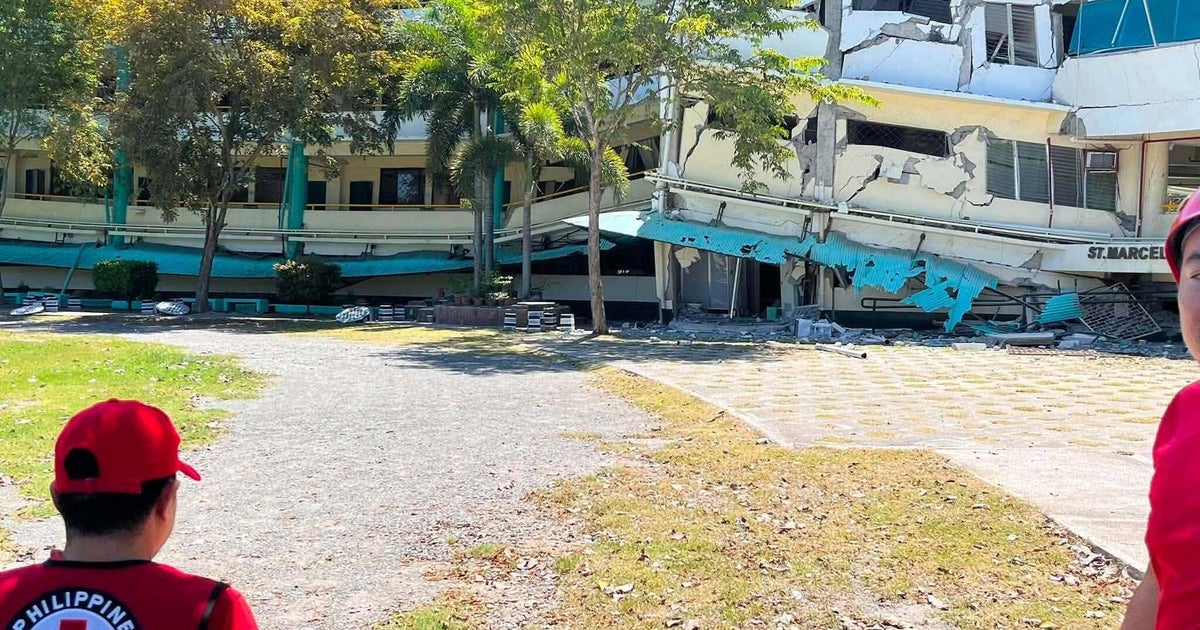
A strong offshore earthquake struck southern Philippines early Monday, causing deaths, injuries, building damage and tsunami waves along nearby coasts. Officials also reported aftershocks, flight cancellations and damage spreading across parts of Mindanao and neighboring waters.
A huge shake happened under the sea near the Philippines, like the floor of a giant bathtub suddenly jolting. It broke buildings, hurt people, and pushed ocean water up into a small tsunami that reached nearby shores.
Analysis
What happened
An offshore magnitude 7.8 earthquake struck the southern Philippines on Monday morning, with the Philippine seismology agency saying it was centered at sea near Maasim town in Sarangani province. Officials said at least 16 people were killed and more than 200 were injured, mostly in damaged buildings. A 3-foot tsunami reached nearby coasts, while smaller waves were also recorded in Indonesia, Malaysia, Palau and as far away as southern Japan.
Damage and disruptions
General Santos, a port city of more than 700,000 people, was among the hardest hit. Officials said a few small buildings partly collapsed, some structures developed dangerous cracks, and a key bridge was damaged. Authorities also checked reports that students may have been trapped in a collapsed two-story school, while national police said at least seven people were missing in the city. More than 100 students at morning flag ceremonies were bruised or fainted in panic.
The quake also disrupted transport. General Santos airport was temporarily shut and 17 domestic flights were canceled. Damage was also reported in Davao and other parts of the south, and aftershocks followed the main quake.
Wider regional impact
Malaysia issued a tsunami warning for Sabah state on Borneo, and Indonesian monitors measured a tsunami off Sulawesi. The U.S. Geological Survey reported a different depth for the quake than the Philippine agency, which is common right after a major earthquake as estimates are refined.
The article portrays the Philippines as especially exposed to this kind of disaster because it sits on the Pacific Ring of Fire and is regularly hit by earthquakes and storms.
Key points
- A magnitude 7.8 offshore earthquake struck the southern Philippines and killed at least 16 people.
- More than 200 people were injured, mostly in damaged buildings, and some people were reported missing.
- A 3-foot tsunami reached nearby coasts, and smaller waves were detected in several neighboring countries.
- General Santos saw building damage, bridge cracks, flight cancellations and temporary airport closures.
- Officials said aftershocks followed the quake, which struck in a region vulnerable to major natural disasters.
Rescue crews and officials were already moving to help, which could limit the final death toll if trapped people are found quickly. Safety warnings and temporary shutdowns may also reduce further harm while damaged buildings and bridges are checked.
The number of dead and missing could rise if collapsed structures or damaged areas hide more victims. Continued aftershocks, tsunami effects and infrastructure damage could keep the response slow and leave coastal communities facing more disruption.