Malaysian tycoon Syed Mokhtar urged to revoke appointment of port chairman linked to Epstein
Civil society groups are pressuring Malaysian billionaire Syed Mokhtar Al-Bukhary to revoke the appointment of Sultan Ahmed Bin Sulayem as executive chairman of MMC Port Holdings due to his alleged ties to Jeffrey Epstein.
Intelligence analysis by Gemini 2.5 Flash
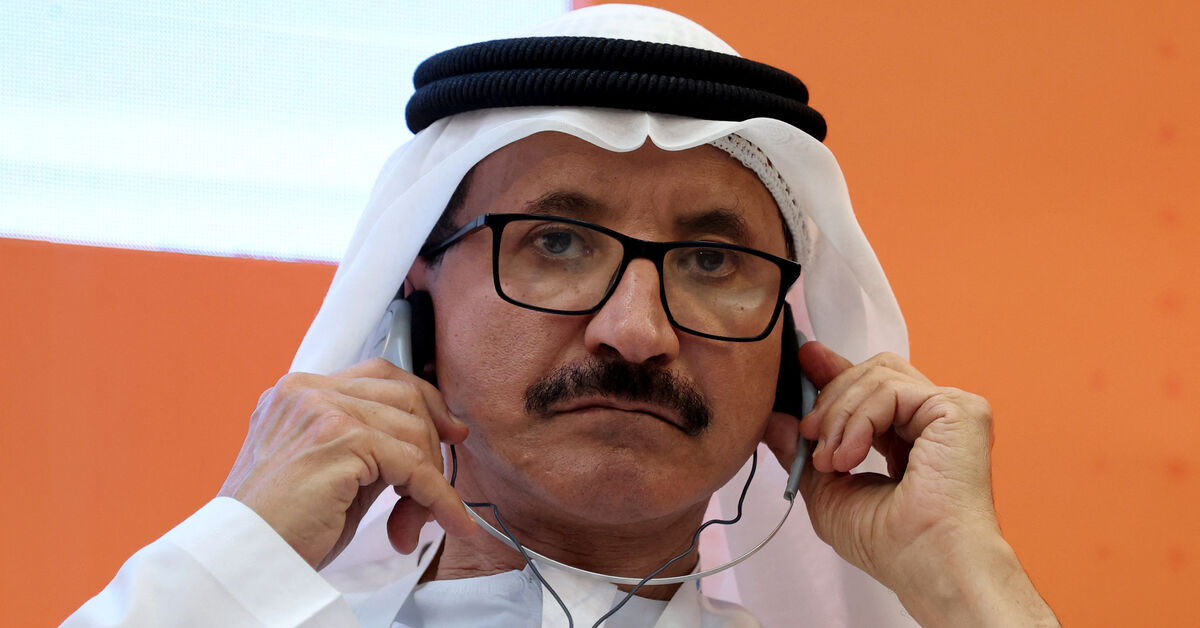
The controversy stems from Bin Sulayem's recent resignation from Dubai's DP World amid scrutiny over email exchanges with the late convicted sex offender Jeffrey Epstein. Critics cite geopolitical and financial risks, noting that other major financial entities had previously suspended investments with DP World over these alleged links, questioning his suitability for a key role in Mal…
Imagine a big company that helps ships carry lots of important stuff around the world. Now, imagine they hired a new boss who used to work for another big company, but left because people found out he had connections to someone who did really bad things. Now, other groups are telling the first company's owner to fire the new boss because they're worried it could cause problems and make other countries not want to do business with them.
Analysis
Controversy Ignites Over Port Appointment
Malaysian civil society groups have launched a concerted effort to compel billionaire tycoon Syed Mokhtar Al-Bukhary to rescind the appointment of Sultan Ahmed Bin Sulayem as executive chairman of MMC Port Holdings. This demand follows exclusive reports detailing Bin Sulayem's alleged connections to the late Jeffrey Epstein, a convicted sex offender. The appointment has sparked significant public outrage, particularly on social media, where many users have openly questioned Bin Sulayem's suitability for a leadership role in a critical national asset.
The outcry underscores a growing global sensitivity to corporate ethics and the backgrounds of high-profile executives, especially when linked to figures like Epstein. The fact that Bin Sulayem's previous role at Dubai's DP World ended amidst similar scrutiny over his email exchanges with Epstein further fuels the controversy, suggesting a pattern of concern that transcends national borders and corporate entities.
Geopolitical and Financial Repercussions
The joint statement from 31 organizations explicitly warned of significant geopolitical and financial risks associated with Bin Sulayem's appointment. They highlighted that major international financial institutions, including the UK development finance agency and Canada's second-largest pension fund, had previously halted new investments with DP World due to the very same alleged links to Epstein. This precedent suggests that MMC Port Holdings, and by extension, Syed Mokhtar's broader business empire, could face similar financial repercussions and reputational damage.
The potential for investment suspensions or increased scrutiny from international partners could severely impact MMC Port's operations and expansion plans, particularly given its strategic importance along the Malacca Strait. The groups argue that if Bin Sulayem was not deemed indispensable to a global giant like DP World, there is little justification for his indispensability to MMC Ports, emphasizing the tangible economic and diplomatic fallout that could arise from maintaining the controversial appointment.
Corporate Governance Under Scrutiny
This incident places a spotlight on corporate governance practices within privately held conglomerates and their intersection with public interest and international ethical standards. While Malaysia's transport minister stated the government cannot interfere in the management of private firms, the public and civil society's strong reaction demonstrates that even private appointments can have significant public and national implications, especially for operators of strategic national assets like ports.
The pressure on Syed Mokhtar to revoke the appointment reflects a broader societal expectation for transparency and accountability from business leaders, regardless of their private status. It challenges the notion that private companies are immune to public scrutiny over the ethical conduct and associations of their top executives, particularly when those associations carry such a heavy international stigma. The outcome of this situation could set a precedent for how Malaysian and regional businesses navigate executive appointments in an increasingly interconnected and ethically conscious global landscape.
Key points
- Civil society groups are urging Malaysian tycoon Syed Mokhtar Al-Bukhary to revoke Sultan Ahmed Bin Sulayem's appointment as executive chairman of MMC Port Holdings.
- The call stems from Bin Sulayem's alleged ties to the late Jeffrey Epstein, a convicted sex offender.
- Bin Sulayem resigned from Dubai's DP World five months prior amid scrutiny over his email exchanges with Epstein.
- Critics cite geopolitical and financial risks, noting that major financial entities previously suspended investments with DP World over these links.
- Malaysia's transport minister stated the government cannot interfere in the management of private firms, only regulate shareholding structures of concession operators.
Should Syed Mokhtar maintain Bin Sulayem's appointment, MMC Port Holdings could face significant reputational damage and potential financial repercussions, including suspended investments from international partners. This could also lead to sustained public and civil society pressure, complicating future business dealings and potentially impacting the company's operational stability.