US Continues Strikes on Iran for 11th Day, Trump Says 'We Haven't Finished Yet'
The US continues its strikes on Iran for the 11th day, targeting military sites, naval capabilities, and ammunition depots. The US says the strikes aim to weaken Iran's ability to threaten shipping in the Strait of Hormuz. Iran has attacked over 30 commercial vessels in t…
Intelligence analysis by Llama
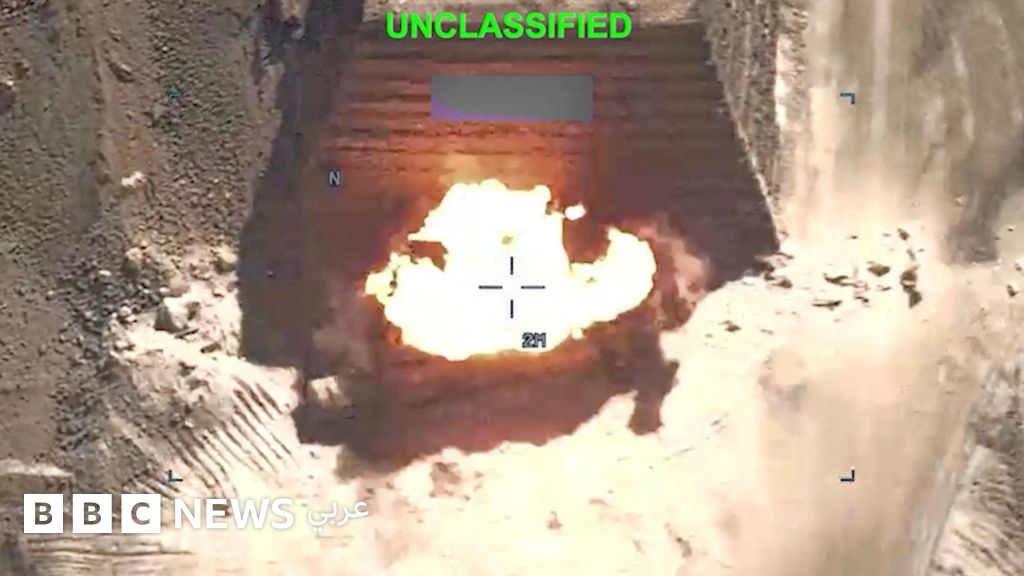
The US continues its strikes on Iran, targeting military sites, naval capabilities, and ammunition depots. The US says the strikes aim to weaken Iran's ability to threaten shipping in the Strait of Hormuz. Iran has attacked over 30 commercial vessels in the strait, putting hundreds of sailors at risk and disrupting maritime freedom.
The US is fighting with Iran, and it's causing problems for ships that go through a special waterway called the Strait of Hormuz. The US is trying to stop Iran from attacking ships, but Iran is still doing it. This is making it hard for ships to go through the waterway safely.
Analysis
A $60B Vote of Confidence
The US has been conducting airstrikes on Iran for the 11th day, targeting military sites, naval capabilities, and ammunition depots. The US says the strikes aim to weaken Iran's ability to threaten shipping in the Strait of Hormuz. Iran has attacked over 30 commercial vessels in the strait, putting hundreds of sailors at risk and disrupting maritime freedom.
The US has been trying to pressure Iran to abandon its nuclear program and to stop its support for militant groups in the region. The US has also been trying to weaken Iran's economy by imposing sanctions on its oil exports.
The ongoing conflict between the US and Iran has significant implications for global security and trade. The US is trying to weaken Iran's ability to threaten shipping in the Strait of Hormuz, a critical waterway for global trade.
The US has also been trying to build a coalition of countries to support its efforts to contain Iran. The US has been working with its allies in the region, including Saudi Arabia and the United Arab Emirates, to build a coalition to counter Iran's influence.
The ongoing conflict between the US and Iran has also raised concerns about the safety of commercial vessels in the Strait of Hormuz. The US has been trying to reassure its allies that it will do everything possible to protect their ships and crews.
Why Cursor?
The US has been trying to pressure Iran to abandon its nuclear program and to stop its support for militant groups in the region. The US has also been trying to weaken Iran's economy by imposing sanctions on its oil exports.
The US has been trying to build a coalition of countries to support its efforts to contain Iran. The US has been working with its allies in the region, including Saudi Arabia and the United Arab Emirates, to build a coalition to counter Iran's influence.
The ongoing conflict between the US and Iran has also raised concerns about the safety of commercial vessels in the Strait of Hormuz. The US has been trying to reassure its allies that it will do everything possible to protect their ships and crews.
The Road Ahead
The US has been trying to pressure Iran to abandon its nuclear program and to stop its support for militant groups in the region. The US has also been trying to weaken Iran's economy by imposing sanctions on its oil exports.
The US has been trying to build a coalition of countries to support its efforts to contain Iran. The US has been working with its allies in the region, including Saudi Arabia and the United Arab Emirates, to build a coalition to counter Iran's influence.
The ongoing conflict between the US and Iran has also raised concerns about the safety of commercial vessels in the Strait of Hormuz. The US has been trying to reassure its allies that it will do everything possible to protect their ships and crews.
Key points
- The US has been conducting airstrikes on Iran for the 11th day, targeting military sites, naval capabilities, and ammunition depots.
- The US says the strikes aim to weaken Iran's ability to threaten shipping in the Strait of Hormuz.
- Iran has attacked over 30 commercial vessels in the strait, putting hundreds of sailors at risk and disrupting maritime freedom.
- The US has been trying to pressure Iran to abandon its nuclear program and to stop its support for militant groups in the region.
- The US has also been trying to weaken Iran's economy by imposing sanctions on its oil exports.
If the US and Iran can come to an agreement, it could lead to a decrease in tensions and a reduction in the number of attacks on commercial vessels in the Strait of Hormuz. This could also lead to an increase in trade and economic activity in the region.
If the US and Iran cannot come to an agreement, it could lead to an escalation of the conflict, with more attacks on commercial vessels and a greater risk of conflict between the two countries. This could also lead to a decrease in trade and economic activity in the region.
Market signals
- XAU Escalation drives safe-haven demand for gold, per the article's framing of investor reaction.
- OIL Supply-route risk from the reported conflict pushes oil prices higher.
AI-generated analysis of potential market relevance. Not financial advice.