Tehran's security services did not mistreat French diplomats, Iranian ministry official quoted
Iran denies French claims that its security services mistreated two French diplomats in Tehran, stating the personnel were questioned for meeting individuals under security investigation but not intimidated. France had protested the incident, alleging phone confiscation, …
Intelligence analysis by Gemini 2.5 Flash

A diplomatic spat has erupted between France and Iran over the alleged mistreatment of two French diplomats in Tehran. While France claims its cultural attaché was hit and diplomats were intimidated and denied embassy contact, an Iranian foreign ministry official denies any ill-treatment, asserting the diplomats were questioned for meeting individuals under security investigation and …
Imagine two grown-up helpers from France were talking to some people in Iran who the Iranian police were watching. France says the police were mean to their helpers, took their phones, and even hit one. But Iran says, "No way! We just asked them questions because they were with people we were investigating, and we were polite." Now, France is upset and wants answers, saying Iran needs to follow the rules for treating foreign helpers.
Analysis
Conflicting Accounts of Diplomatic Encounter
The core of the current diplomatic friction between France and Iran lies in starkly contrasting narratives regarding an incident involving two French diplomats in Tehran. France has formally protested, alleging that its cultural attaché was physically assaulted, and both diplomats had their phones confiscated, were verbally intimidated, and prevented from contacting their embassy. These actions, according to Paris, constitute a clear breach of international diplomatic conventions, prompting the summoning of Iran's charge d'affaires.
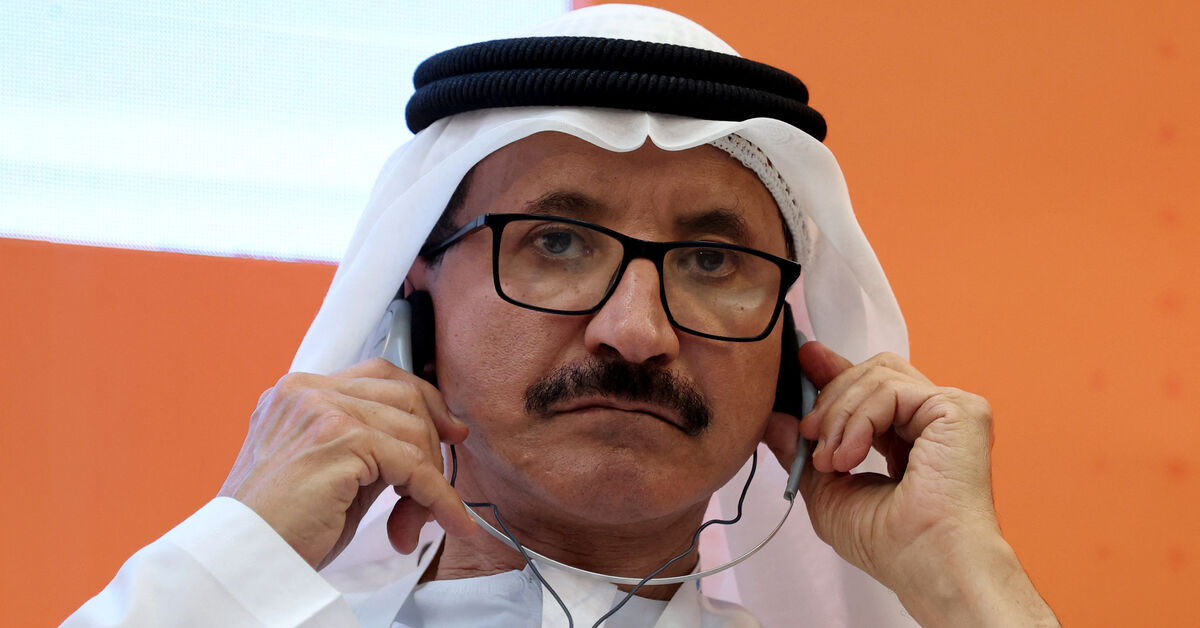
Conversely, an Iranian Foreign Ministry official, Mohammad Tanhaei, vehemently denies any mistreatment. He asserts that Iranian security personnel merely questioned the two French embassy staff after discovering they were meeting with individuals under security investigation. Tanhaei claims that once the diplomats' affiliation with the French embassy was established, they were promptly transferred to the diplomatic police, with no intimidation occurring. This fundamental disagreement over the facts forms a significant hurdle to resolving the dispute.
The Undercurrent of Security Concerns
The Iranian narrative introduces a critical element: the diplomats were reportedly meeting with "individuals who are being investigated for security reasons." This suggests that from Tehran's perspective, the incident was not an arbitrary act against diplomats but a response to perceived security breaches or unconventional activities. Iranian Foreign Minister Abbas Araqchi further underscored this by stating that the diplomats' actions were "unconventional and unprofessional," urging Paris to ensure adherence to host country laws and diplomatic norms.
This framing by Iran implies that the diplomats may have overstepped their bounds or engaged in activities deemed sensitive by Iranian authorities. While diplomatic immunity typically protects foreign envoys, host nations often interpret "unprofessional" conduct, especially involving security matters, as a violation of the spirit of diplomatic relations. The lack of specific details from Iran about the nature of these "security reasons" or the individuals involved leaves room for interpretation and further complicates the situation.
Implications for Franco-Iranian Relations
This diplomatic spat carries significant implications for the already delicate relationship between France and Iran. France's demand for a thorough investigation, punishment of perpetrators, and assurances for the security of its personnel and premises reflects a serious view of the incident. French Foreign Minister Jean-Noël Barrot's warning of "consequences" indicates that Paris is prepared to take further action if its demands are not met, potentially leading to reciprocal diplomatic expulsions or other punitive measures.
Such an escalation would further strain a relationship that is crucial for broader European engagement with Iran, particularly concerning nuclear negotiations and regional stability. The incident underscores the persistent challenges in communication and trust between Iran and Western powers, where differing interpretations of international law and national security often clash. A failure to resolve this dispute amicably could deepen mistrust and hinder future diplomatic efforts, impacting regional dynamics and international cooperation.
Key points
- France accused Iranian security services of mistreating two French diplomats in Tehran.
- Allegations include phone confiscation, verbal intimidation, and a physical assault on the cultural attaché.
- Iran's Foreign Ministry official, Mohammad Tanhaei, denied ill-treatment, stating diplomats were questioned for meeting individuals under security investigation.
- Tanhaei claimed security agents transferred the diplomats to diplomatic police upon realizing their embassy link, without intimidation.
- France summoned Iran's charge d'affaires to protest and demanded an investigation and punishment for perpetrators.
- Iranian Foreign Minister Abbas Araqchi called the diplomats' actions "unconventional and unprofessional" and urged France to prevent recurrence.
If Iran provides a transparent account and France accepts it, or if both sides engage in constructive dialogue, this incident could be swiftly de-escalated, preventing further diplomatic fallout and allowing for a return to more stable bilateral relations.
Should France reject Iran's explanation and Iran refuse further investigation or accountability, the dispute could escalate, leading to reciprocal diplomatic actions, strained relations, and potentially impacting broader international efforts concerning Iran.