Man convicted in plot to shoot up Ohio State sorority now lives two blocks from campus
The Justice Department wants tighter limits on Tres Genco, who once plotted a sorority attack, after he moved near Ohio State. His lawyers say the proposed restrictions are unfair and destabilizing.
Intelligence analysis by GPT-5.4 Mini
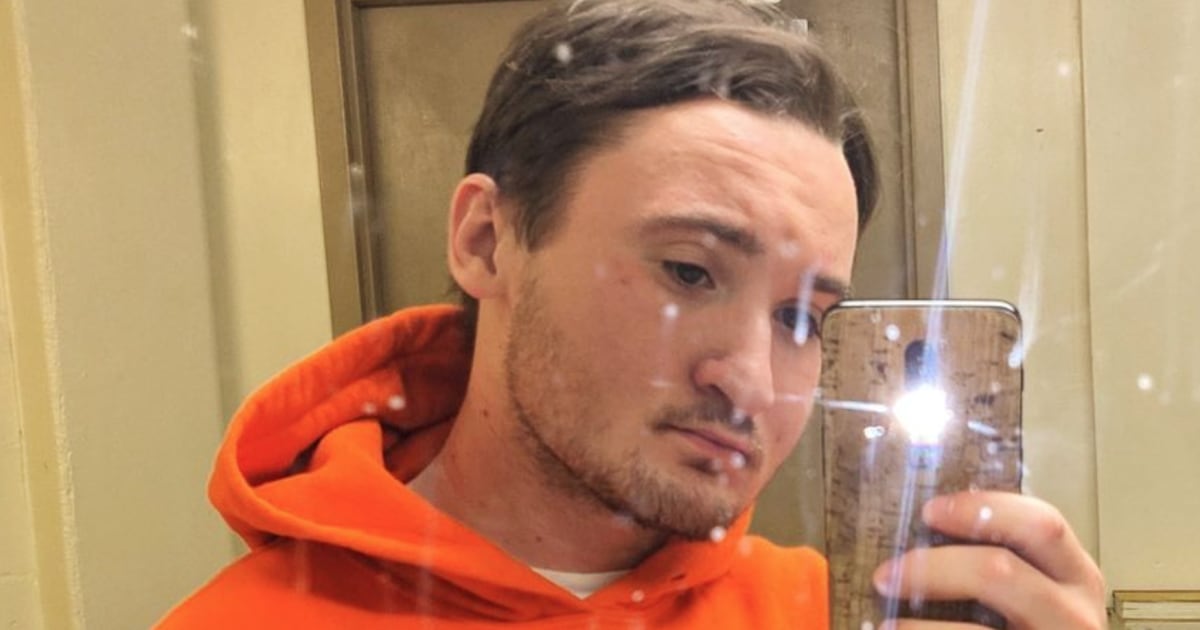
Tres Genco, convicted of attempting to commit a hate crime tied to a planned attack on women at an Ohio university, now lives close to Ohio State. The Justice Department wants him farther from campuses and under tighter monitoring, while his defense says the rules are excessive.
A man once planned a dangerous attack on women at a college, and now he lives very close to that same campus. The government wants to move him farther away and watch his devices, like putting extra locks on a door after a scary break-in.
Analysis
What happened
Tres Genco, an Ohio man who describes himself as an “incel,” was convicted after authorities said he plotted to attack women at a university in Ohio. According to the article, one of the possible targets was a sorority at Ohio State University. He was sentenced to six years in prison, followed by five years of supervised probation.
Why the government is moving now
The Justice Department says Genco now lives in Columbus, about two blocks from Ohio State, and that raises safety concerns. In a motion filed in late May, prosecutors asked the court to add conditions to his supervised release. Those proposed conditions would require him to live more than two miles from any Ohio college or university, have his address approved by probation, stay off university grounds without permission, and submit his devices to monitoring software.
Ohio State backed the government’s request, saying student safety is its priority.
What the defense says
Genco’s lawyers pushed back, calling the government’s worries unfounded while still agreeing to some monitoring measures and a ban on contact with his former cellmate, Thomas Develin. They argued that the residency and campus restrictions would disrupt his housing, finances, and movement, and said the government could have sought those limits earlier.
The filing also says Genco spent time in a halfway house from August to April, worked during that period, and had no violations. Court records reviewed by NBC News show that Judge Susan Dlott has not yet ruled.
Key points
- Genco was convicted after a plotted attack on women at an Ohio university, with Ohio State named as one possible target.
- He now lives two blocks from the Ohio State campus, prompting a Justice Department motion over safety concerns.
- The DOJ wants him to live more than two miles from any Ohio college or university and to submit to device monitoring.
- Ohio State supports the government’s request and says student safety is its top priority.
- Genco’s lawyers say the proposed restrictions are excessive and would destabilize his life.
If the court grants the tighter conditions, Ohio State and nearby students could feel safer knowing Genco is kept farther away and monitored more closely. The supervision could also reduce the chance of contact with people or places tied to the earlier plot.
If the court rejects the government’s request, Genco could remain close to campus without the added distance and monitoring the DOJ wants. That could keep safety concerns alive for Ohio State and complicate his supervised release.