Mayors to get powers to overrule local councils on planning decisions
Mayors across England will gain new powers to overrule local councils on large planning decisions, applying to proposals for over 150 homes or significant commercial space.
Intelligence analysis by Gemini 2.5 Flash
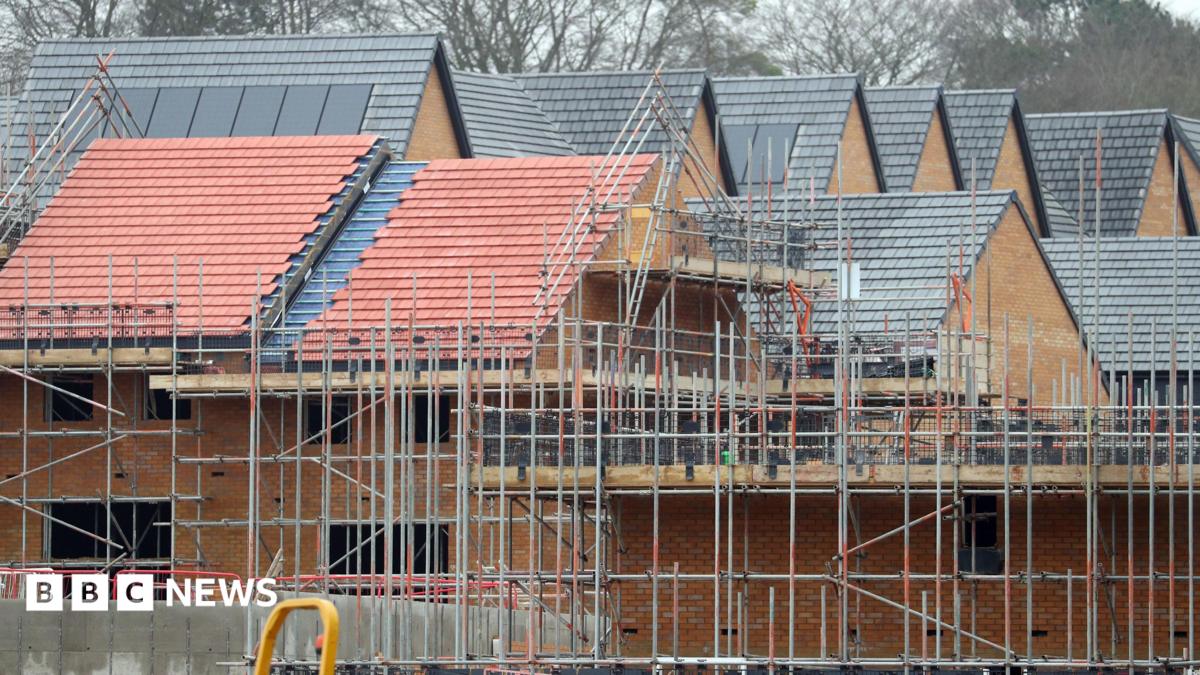
The UK government is granting mayors in 13 English combined authorities new 'call-in' powers, similar to London's mayor, allowing them to override local council planning decisions for major developments. This move aims to accelerate housebuilding and regeneration, though it faces criticism from opposition parties concerned about the erosion of local control.
Imagine your town needs more houses, but sometimes it takes a very long time for grown-ups to agree on where and how to build them. Now, special leaders called mayors, who look after big areas, will get a new superpower. If a plan for lots of houses or big shops gets stuck, the mayor can step in and say 'yes' or 'no' to help things move faster, like a referee making a quick decision in a game to keep it going.
Analysis
The UK government's decision to empower mayors with the ability to overrule local councils on significant planning decisions marks a notable shift in the country's approach to housing and urban development. This policy, extending powers already held by London's mayor, Sir Sadiq Khan, to 13 other combined authorities, is framed as an essential tool for delivering new homes and fostering regeneration. The scope of these powers covers large-scale projects, specifically those with more than 150 homes, over 15,000 square metres of commercial space, or buildings exceeding 30 metres in height. This centralisation of planning authority at the mayoral level is intended to streamline decision-making, reduce bureaucratic hurdles, and ultimately accelerate the pace of construction, which is a critical objective for the current government.
1.5 million homes
The government has set an ambitious target to build 1.5 million homes in England by the end of the decade, a goal that Housing Minister Matthew Pennycook acknowledges is "really stretching." The introduction of these new mayoral powers, alongside the ability to grant "up-front permission" for building, is presented as a direct response to the urgency of this housing crisis. With nearly 180,000 children currently in temporary accommodation, the government argues that a smaller target would not adequately address the scale of the challenge.
However, housebuilders have already warned that this target could be missed, suggesting that the underlying issues in the construction sector may run deeper than just planning bottlenecks. While the government insists these powers will help "unblock strategic growth sites," the effectiveness of such measures in significantly boosting overall housing output remains to be seen, especially given the complex interplay of land availability, material costs, and labour shortages.
Sir Sadiq Khan
The model for these expanded mayoral powers draws directly from the experience of Sir Sadiq Khan, the Mayor of London, who already possesses similar "call-in" capabilities. The government points to Khan's use of these powers to "unblock strategic growth sites" in the capital as evidence of their potential efficacy. This suggests a belief that a single, overarching authority can cut through local resistance or inertia that might otherwise delay or prevent large-scale developments.
Despite the government's positive framing, the article notes that housebuilding in London has actually fallen in recent years. This discrepancy raises questions about whether the mere existence of "call-in" powers is sufficient to guarantee increased housing delivery, or if other factors are more dominant. The London experience provides a mixed precedent, highlighting that while mayoral intervention can facilitate specific projects, it doesn't automatically translate into a sustained surge in overall construction.
Andy Burnham
Greater Manchester Mayor Andy Burnham has been a vocal advocate for transferring more powers to local mayors, aligning with the government's current policy direction. Burnham has previously expressed a desire to "bring power home" to "every postcode," even proposing that mayors receive a share of income tax revenue. His perspective suggests that challenging local decision-making can be a "two-way street," where mayoral oversight can correct both overly restrictive local authorities and those proposing unacceptable developments.
However, this approach has drawn criticism from within Burnham's own party and the Liberal Democrats, who fear it could create a "two-tier system" that disadvantages areas without elected mayors. Critics like Sir James Cleverly and Gideon Amos argue that stripping powers from local councils undermines community input and that the focus should instead be on empowering councils with resources for genuinely affordable homes and supporting infrastructure. This highlights a fundamental tension between the desire for efficient, top-down development and the principles of local democratic control and equitable regional development.
Key points
- Mayors in 13 English combined authorities will gain new powers to overrule local councils on large planning decisions.
- These 'call-in' powers apply to proposals with over 150 homes, 15,000 sq m of commercial space, or buildings over 30m.
- The government aims to use these powers to help meet its target of building 1.5 million homes in England by the end of the decade.
- Mayors will also be able to grant 'up-front permission' for building and have a greater say over housing funding.
- The policy faces criticism from opposition parties concerned about the loss of local control and the potential for a 'two-tier system'.
The new powers could significantly accelerate the construction of much-needed homes and commercial spaces, helping the government meet its ambitious housing targets and addressing the shortage of affordable accommodation. By streamlining planning decisions, mayors could unlock strategic growth sites, fostering regeneration and economic development in their regions.
Critics fear these powers could erode local democratic control, allowing mayors to override community wishes and potentially leading to inappropriate developments. There's also concern it could create a 'two-tier system,' disadvantaging areas without elected mayors and failing to address the root causes of the housing crisis.