Michelin-starred chef calls for VAT cut for restaurants
Michelin-starred chef Sat Bains has urged the UK government to cut VAT for the restaurant industry, saying the 20% rate is one of the highest in the world.
Intelligence analysis by Llama
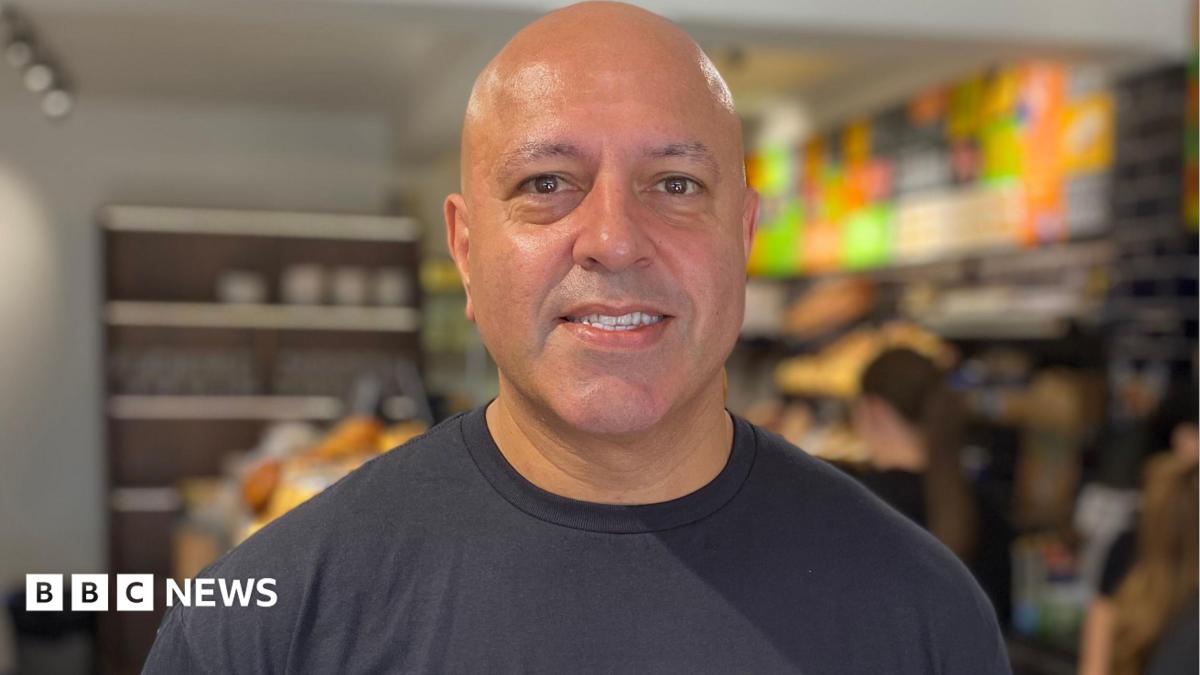
Nottingham-based two-star Michelin chef Sat Bains backs a VAT cut for restaurants, echoing calls from other top UK chefs. The plea comes after a new 20% business rates cut for pubs, which left other hospitality venues out in the cold.
Restaurants in the UK pay a big tax called VAT when you buy food there. A famous chef is asking the government to make that tax smaller so eating out can be cheaper and restaurants can earn more. Right now only pubs got a tax break, and chefs want everyone to get one.
Analysis
A Two-Tier Relief Package
The government, through new Prime Minister Andy Burnham and chancellor John Healey, has moved early to ease pressure on pubs, social clubs and music venues with a 20% cut to business rates. The announcement was framed, according to the article, as 'the cavalry is coming' for those specific operators. But Sat Bains and other hospitality figures argue the relief is too narrow. Hotels, restaurants, and independent delis that anchor the high street were excluded, creating a clear two-tier outcome within an industry already grappling with subdued consumer spending.
Why VAT Has Become the Focal Point
Bains told the BBC that 'the VAT is the problem in the UK, especially in our industry' and that 20% 'is probably one of the highest in the world.' UK Hospitality, the trade body cited in the piece, ranks the UK rate second only to Denmark in Europe. Unlike a business rates cut, a VAT reduction would flow through to consumers via lower menu prices, potentially stimulating demand at a time when households are trimming discretionary spend. Bains described a marked shift in customer behaviour: a once three-month waiting list at his restaurant has shrunk to roughly two weeks, a signal he attributes to diners being 'cautious' amid wider economic uncertainty.
The High Street Stakes
Beyond chefs and restaurateurs, the VAT debate touches the broader independent retail and hospitality ecosystem. Deli owner Jonathan Hyman, who hosted Bains's breakfast pop-up in West Bridgford, argued that cutting overheads for independents sustains the 'lifeblood of the high street.' That framing matters politically: any VAT cut would need to be reconciled with Treasury revenue pressures and the cost-of-living agenda. The government, the article notes, said addressing business costs is as important as tackling living costs, suggesting room for further measures but no commitment. The early business rates relief for pubs looks like an opening bid rather than a finished settlement, and restaurants are now publicly pressing their case to be included.
Key points
- Two-star Michelin chef Sat Bains calls for a UK VAT cut for restaurants, citing the 20% rate as among the highest globally.
- UK Hospitality ranks the UK's VAT rate second highest in Europe, behind only Denmark.
- Prime Minister Andy Burnham's recent 20% business rates cut applied only to pubs, social clubs and music venues, leaving restaurants and hotels out.
- Bains reports his restaurant's waiting list has shrunk from three months to two weeks, attributing the drop to cost-of-living caution.
- Four other top UK chefs and restaurant owners have separately urged the government to cut hospitality VAT, suggesting 10% as a target.
If the government extends VAT relief to restaurants and other hospitality venues, operators like Sat Bains could see margins recover and consumer demand pick up. A lower VAT rate would also help independents compete more fairly with larger chains and support high street diversity.
Without broader fiscal relief, hospitality firms excluded from the pubs-focused business rates cut could continue to lose customers as cost-of-living caution persists. Sustained pressure on margins risks further closures, job losses, and erosion of independent high streets, particularly outside major city centres.