New technical education routes to be offered at 14 in England
The UK government plans to introduce new technical education routes for students in England, allowing them to study subjects like manufacturing and AI from age 14. The courses will be linked to local jobs and industries.
Intelligence analysis by Llama
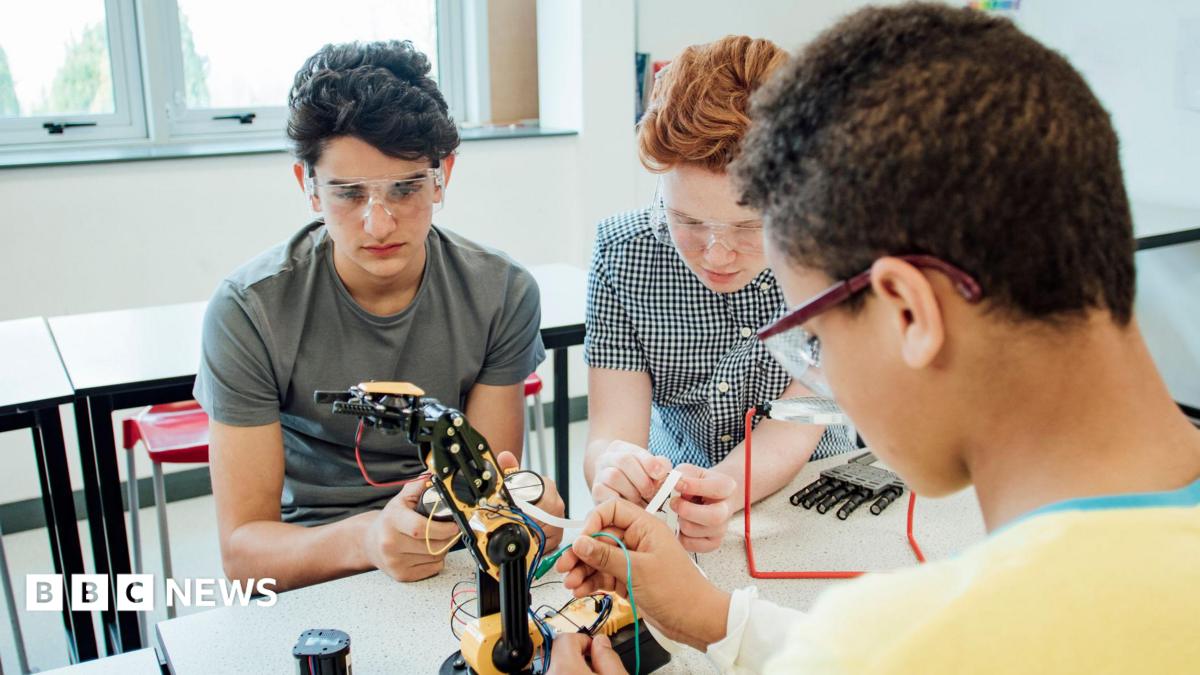
The UK government is introducing new technical education routes for students in England, allowing them to study subjects like manufacturing and AI from age 14. The courses will be linked to local jobs and industries, providing students with skills training, work experience, and connections with employers.
The UK government is changing the way students learn in school. Instead of just focusing on academic subjects, students will be able to learn skills like manufacturing and AI from a younger age. This is to help young people get jobs and contribute to the economy.
Analysis
A $60B Vote of Confidence
The UK government's announcement of new technical education routes for students in England is a significant step towards addressing the issue of youth unemployment in the country. The plan is to introduce courses that allow students to study subjects like manufacturing and AI from age 14, providing them with skills training, work experience, and connections with employers. This is a major shake-up of the education system, which has been criticized for being too focused on academic subjects. The government's aim is to provide young people with the skills they need to enter the workforce and contribute to the economy.
Why Cursor?
The new education routes are a response to the growing concern about youth unemployment in the UK. According to data published earlier this year, more than one million young people across the UK were not in education, employment, or training, or 'Neet'. This is the highest level in over 12 years. The government's plan is to provide young people with the skills and training they need to enter the workforce and address this issue.
The Road Ahead
The government's plan is to work with regional mayors, local leaders, schools, colleges, and employers to deliver the new education routes nationally. This will involve providing students with the opportunity to combine core academic subjects with high-quality technical education linked to the jobs available in their area. The government expects the new pathways into work to be up and running in some areas by 2028. This is a significant investment in the education system, and it is hoped that it will have a positive impact on the economy and help to address the issue of youth unemployment.
Key points
- The UK government is introducing new technical education routes for students in England, allowing them to study subjects like manufacturing and AI from age 14.
- The courses will be linked to local jobs and industries, providing students with skills training, work experience, and connections with employers.
- The government expects the new pathways into work to be up and running in some areas by 2028.
- The plan is to work with regional mayors, local leaders, schools, colleges, and employers to deliver the new education routes nationally.
If the new education routes are successful, it could lead to a significant reduction in youth unemployment in the UK. This would have a positive impact on the economy and help to address the issue of 'Neet' young people.
However, the success of the new education routes is not guaranteed. There are concerns about the funding and implementation of the plan, which could lead to delays or even the failure of the initiative.