Millions face higher water bills as suppliers allowed £3.4bn extra spending
Millions of households in England and Wales face higher bills after water companies were given the green light to spend £3.4bn more than planned, including to support new homes and datacentres.
Intelligence analysis by Llama
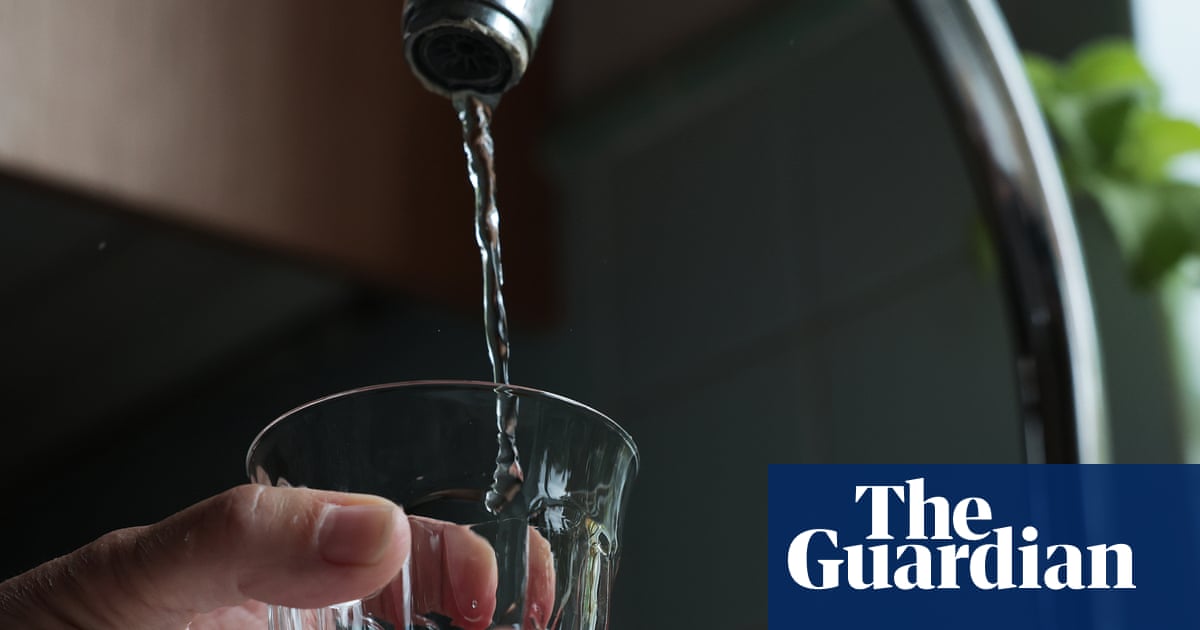
The new spending will come on top of the £104bn programme of investment approved by the regulator that had already meant water bills will rise by 36% over the second half of the decade. Five companies will be allowed to increase bills more than originally planned before the end of the decade to allow for the extra spending.
Imagine you're a homeowner in England or Wales, and you're worried about your water bill going up. That's what's happening now because the government has allowed water companies to spend more money on new projects, like building new homes and datacentres. This means that your water bill might go up even more than it already was going to. It's like when you're trying to save money, but then you find out you have to spend more on something else.
Analysis
Water Bills to Rise Further in England and Wales
The recent announcement by Ofwat, the water industry regulator, has sparked concerns among households in England and Wales. The regulator has allowed water companies to spend an additional £3.4bn, which will lead to higher bills for millions of households. This decision comes on top of the £104bn programme of investment approved by Ofwat, which had already meant water bills will rise by 36% over the second half of the decade.
The extra spending includes £1.2bn to be used to “safeguard” water services and assets, and £477m to enable housebuilding and datacentre development. Five companies – Southern Water, Thames Water, Severn Trent, Wessex Water, and South East Water – will be allowed to increase bills more than originally planned before the end of the decade to allow for the extra spending. The remainder will add the costs to bills in the 2030s.
This development has significant implications for the UK's housing crisis and the government's growth agenda. The Labour government has promised to build 1.5m new homes across the country to help solve the country's housing crisis. It has also set out ambitions for AI growth zones to host massive AI datacentre complexes, raising questions over whether the UK has sufficient water and energy resources to support the government's growth agenda.
The investments will top up the regulated spending plans of £104bn that were approved in late 2024 for the period from April 2025 until March 2030 to just below the industry's initial request to spend £108bn over the five-year period. At the time, Ofwat said it would allow extra funding requests for spending “where costs were uncertain or unknown”.
Helen Campbell, the executive director for delivery at Ofwat, said allowing the water companies to spend more would allow them to deliver “without delay”. “The newly agreed funding will help unlock much-needed new housing development and boost business growth across a range of sectors, as well as improving drinking water quality and the removal of Pfas and forever chemicals,” Campbell said.
Campbell added that the regulator would track the performance of the water companies to make sure they are “delivering the expected improvements for customers and the environment”. “If they don’t, expenditure can be clawed back,” she said.
The extra spending is expected to pile further pressure on water bills. In 2024, the biggest increase was allowed for Southern Water, whose customers will pay 53% more by 2030, at £642. Bills will rise by 47% for Severn Trent customers, and there will be a 42% increase for customers of the Welsh water companies Dŵr Cymru and Hafren Dyfrdwy.
Ofwat allowed the struggling Thames Water to charge customers an extra 35% on their water bills by 2030 after it was fined £18.2m for paying “unjustified” dividends. On Thursday, Ofwat said a further £80 would be added to Southern Water bills, £8 for Thames Water and Severn Trent, £11 for Wessex Water and £1 for South East Water.
Angela Eagle, the environment secretary, said: “I know that households across the country are watching every pound and I share their frustration that years of underinvestment and toothless regulation has led to this. “We have already ringfenced money earmarked for new infrastructure so it can only be spent on fixing the problems, and will go further by fundamentally reforming the water sector so that it works for the public; keeping bills as low as they can be, and delivering higher standards, better performance and cleaner waterways.”
Key points
- Millions of households in England and Wales face higher bills after water companies were given the green light to spend £3.4bn more than planned.
- The extra spending includes £1.2bn to be used to “safeguard” water services and assets, and £477m to enable housebuilding and datacentre development.
- Five companies will be allowed to increase bills more than originally planned before the end of the decade to allow for the extra spending.
- The investments will top up the regulated spending plans of £104bn that were approved in late 2024 for the period from April 2025 until March 2030 to just below the industry's initial request to spend £108bn over the five-year period.
- Helen Campbell, the executive director for delivery at Ofwat, said allowing the water companies to spend more would allow them to deliver “without delay”.
If this development plays out positively, it could lead to more investment in the water sector, which could improve drinking water quality and reduce toxic chemicals in the water system. This could also lead to more efficient use of water resources, which could help to alleviate the housing crisis and support the government's growth agenda.
However, if this development plays out negatively, it could lead to even higher water bills for households in England and Wales. This could be particularly challenging for low-income households who may struggle to afford the increased costs. Additionally, the increased spending on new projects could lead to delays in addressing the existing problems in the water sector, such as the high levels of toxic chemicals in the water system.