Ministers urged to curb energy costs as Great British homes face 13% bill surge
The quarterly cap on gas and electricity charges in England, Wales, and Scotland will rise by 13% from Wednesday. Ministers are facing growing pressure to lower energy costs as households face the steepest rise in summer bills in four years.
Intelligence analysis by Llama 3.3 70B
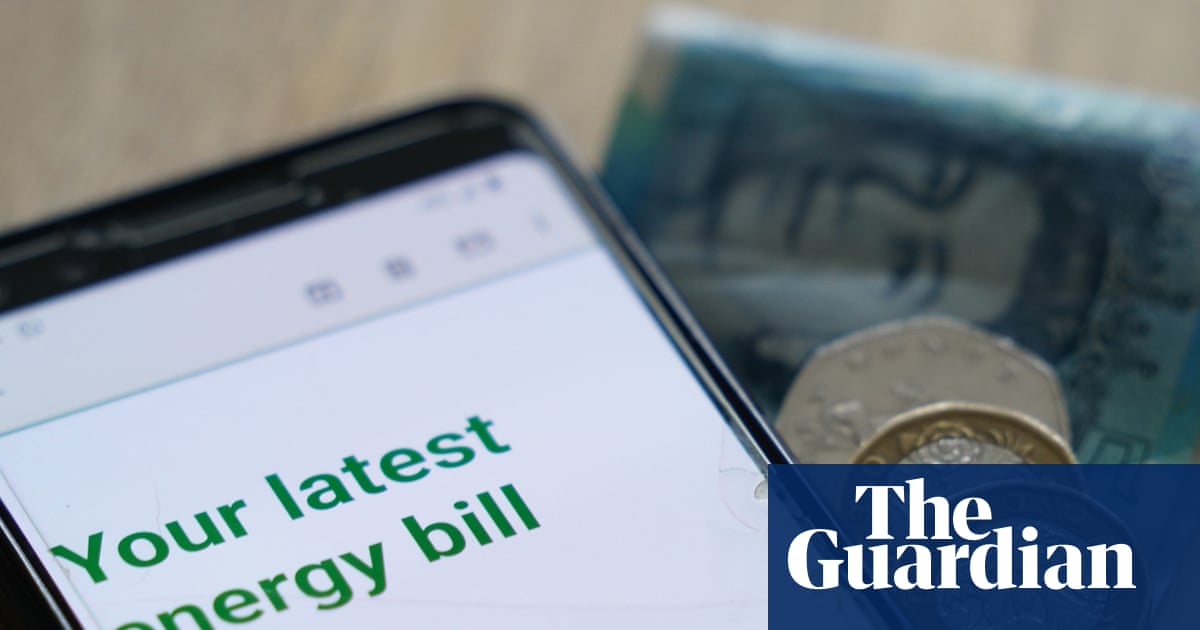
The energy price cap increase will lead to an average household bill of £1,862 a year, with consumer energy debt reaching record highs of almost £4.8bn. Experts are calling for urgent reform to deliver a cleaner and more affordable energy system.
Imagine you have a big jar of money, and every month, you have to take out some of that money to pay for the energy you use in your home. Now, the price of energy is going up, so you have to take out even more money from your jar. This is what's happening to many people in Great Britain, and it's making it hard for them to pay their bills.
Analysis
Energy Price Cap Increase
The quarterly cap on gas and electricity charges in England, Wales, and Scotland will rise by 13% from Wednesday, leading to an average household bill of £1,862 a year. This increase will have a significant impact on households, particularly vulnerable ones, who are already struggling to pay their energy bills.
The energy price cap increase is a result of the surge in wholesale energy prices due to the war in Iran, which has disrupted oil and gas shipments via the strait of Hormuz for the past four months. Until this week, the quarterly price cap has delayed the full impact of the crisis on household bills, but the surge in wholesale prices will be passed on from 1 July and remain elevated until the next price cap takes effect at the start of October.
Impact on Households
The impact of the energy price cap increase on households will be significant, with many people unsure of how they will keep up with the current payments, let alone the rising costs. The consequences of energy debt include cold homes, rising anxiety, and impossible choices about essentials. Experts are calling for urgent action to address the growing energy debt and to deliver a cleaner and more affordable energy system.
Proposed Solutions
Good Energy has set out a proposal that could cut household costs by £270 annually, close to Labour's manifesto pledge to cut £300 a year from home energy bills by 2030. The proposal includes moving the cost of supporting government policies away from energy bills and into general taxation, increasing payments through the warm home discount scheme, and breaking the link between expensive gas power and the overall electricity market price. The plan could save up to £60 a year for households and could be delivered within two years, according to separate analysis by Greenpeace and consultants at Stonehaven.
Key points
- The quarterly cap on gas and electricity charges in England, Wales, and Scotland will rise by 13% from Wednesday
- The energy price cap increase will lead to an average household bill of £1,862 a year
- Consumer energy debt has reached record highs of almost £4.8bn
- Experts are calling for urgent reform to deliver a cleaner and more affordable energy system
If the government takes urgent action to address the growing energy debt and to deliver a cleaner and more affordable energy system, it could lead to significant savings for households and help to reduce the impact of the energy price cap increase. The proposed solutions, such as moving the cost of supporting government policies away from energy bills and into general taxation, could also help to reduce the burden on households.
If the government fails to take action to address the growing energy debt and to deliver a cleaner and more affordable energy system, it could lead to a significant increase in energy poverty and hardship for many households. The energy price cap increase could also have a negative impact on the economy, as households are forced to cut back on other essential expenses to pay their energy bills.