Morning update: Israel conditions Gaza pullout on Hamas disarmament, Lebanon boycotts September talks
Israel will not withdraw from Gaza until Palestinian groups surrender weapons, its envoy says, contradicting his earlier stance. Lebanon refuses September talks, and Yemen reports a deadly Houthi attack on Mocha.
Intelligence analysis by Llama

A multi-front Middle East roundup: Israel reverses its Gaza withdrawal position under the Board of Peace plan, Netanyahu publicly rejects Trump's 15-point framework, Lebanon pulls out of upcoming talks unless conditions are met, a Houthi strike kills seven in Mocha, and US-Israel friction grows as CENTCOM pushes to wind down three active fronts.
Imagine three kids are squabbling in different rooms of the same house. One grown-up (the US) is trying to calm them all down at once. But each kid keeps adding new conditions before they'll stop, so the grown-up's job keeps getting harder. That is what is happening across Gaza, Lebanon and Yemen right now.
Analysis
Mladenov's reversal on the Board of Peace plan
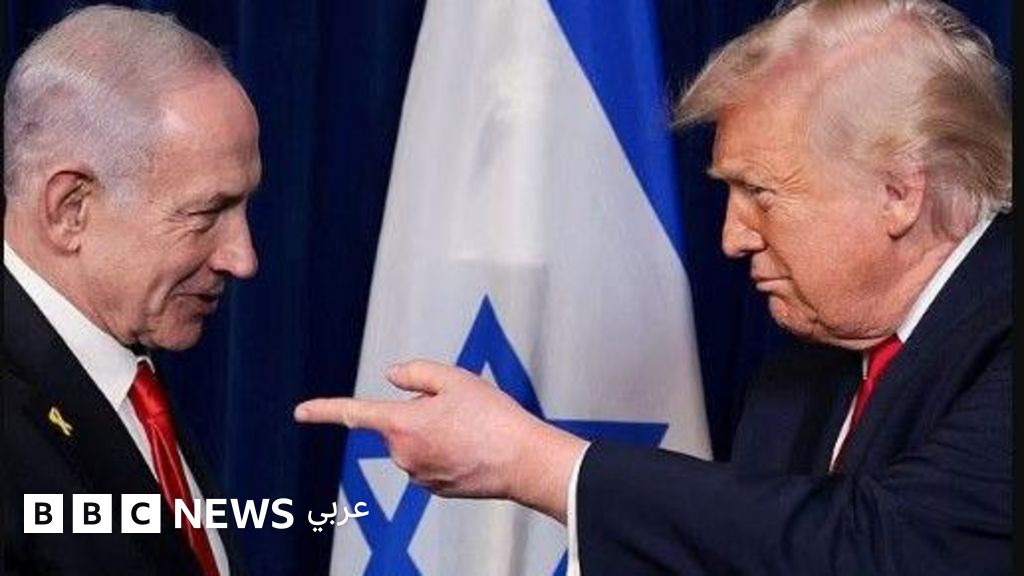
Nikolay Mladenov, Israel's senior envoy, appeared on Israel's Channel 12 to clarify that any Israeli military withdrawal from Gaza would follow the verified decommissioning of Palestinian weapons. The position contradicts his earlier public stance that Israel would withdraw under the Board of Peace's framework regardless. The reversal reads less like a personal pivot and more like a recalibration forced by domestic politics: Prime Minister Benjamin Netanyahu used a cabinet meeting on Sunday to publicly reject US President Donald Trump's 15-point plan for Gaza and vow that there will be no withdrawal until Hamas "genuinely" disarms. With that backdrop, Mladenov's Channel 12 remarks amount to an alignment with the prime minister's office rather than an independent policy statement. The practical consequence is that the timeline for any phased pullout is now tied to a verification process whose standards Israel gets to define, and Hamas has offered no indication it will consent to unilateral disarmament under those terms.
The Mocha strike and Houthi escalation calculus
Early Monday, the Yemeni military reported that a Houthi attack on the Red Sea port city of Mocha killed seven people, including military personnel and civilians, and wounded 30 others. Air defences, the military added, intercepted and shot down 11 Houthi drones that participated in the attack. Mocha sits on Yemen's Red Sea coast and has historically been a frontline for the Saudi-led coalition's operations against the Houthis, but the deployment of such a large drone salvo against a single urban target suggests the group retains meaningful launch capacity even after years of air strikes. The strike also lands while Washington is publicly pushing to close active regional fronts, which means the US is being asked to de-escalate on three different timelines simultaneously, with each actor moving at its own pace. For shipping insurers and energy markets, repeated Houthi action along the Red Sea corridor is the more immediate operational signal than the Gaza diplomatic stalemate.
CENTCOM's "closing the three fronts" message
Israeli Channel 13 reported that US Central Command chief Brad Cooper carried a Washington message during a weekend visit to Israel that the administration wants to "close the three fronts," referring to Gaza, Lebanon and Iran. According to the broadcaster's military source, the framing is one of winding down, not expanding. The friction the report describes is between an American administration seeking exit ramps and an Israeli government that, on the evidence of Netanyahu's cabinet remarks and Mladenov's reversal, sees the same moment as an opportunity to lock in hard-won security conditions rather than trade them away. Lebanon's parallel decision, reported by L'Orient-Le Jour citing a source close to the delegation's leadership, to skip early September talks unless its conditions are met shows that the holdouts are not limited to one side of the negotiation. If the three-front closure is to happen on Washington's preferred schedule, at least one of the three parties will have to soften its position in the coming weeks, and none of the public signals so far point in that direction.
Key points
- Israel's envoy Mladenov said any Gaza pullout must follow verified Palestinian disarmament, reversing his earlier position under the Board of Peace plan.
- Netanyahu publicly rejected Trump's 15-point Gaza plan and vowed there will be no military withdrawal until Hamas 'genuinely' disarms.
- Lebanon will skip the early September round of talks with Israel unless its conditions are met, per L'Orient-Le Jour.
- Yemeni military says a Houthi drone attack on Mocha killed seven and wounded 30, with 11 drones intercepted.
- CENTCOM chief Brad Cooper reportedly told Israel during a weekend visit that Washington wants to 'close the three fronts' of Gaza, Lebanon and Iran.
If Trump's 15-point plan regains traction and Lebanon's preconditions are addressed in the September track, the simultaneous drawdown across Gaza, Lebanon and Iran could compress into a single negotiated window rather than three separate crises. Lower-intensity Houthi operations on the Red Sea would also reduce insurance and shipping costs, an underappreciated upside for regional trade.
With Israel publicly conditioning Gaza withdrawal on Hamas disarmament, Lebanon boycotting the next round, and the Houthis demonstrating continued drone capacity at Mocha, the three-front closure Washington is seeking looks unlikely on any near-term timeline. A stalled Gaza track combined with renewed Red Sea disruption would push oil and shipping insurance higher and risk a wider regional conflagration if any one front reignites.
Market signals
- OIL Houthi strikes on the Red Sea coast and a stalled Gaza, Lebanon and Iran de-escalation track raise supply-route risk, supporting higher crude prices.
AI-generated analysis of potential market relevance. Not financial advice.