‘MPs have had their stomachs pumped’: concerns over ‘alcohol-soaked’ culture in Westminster
A new report reveals that alcohol is deeply embedded in the UK Parliament's culture, with some MPs reportedly needing their stomachs pumped due to excessive drinking.
Intelligence analysis by Gemini 2.5 Flash
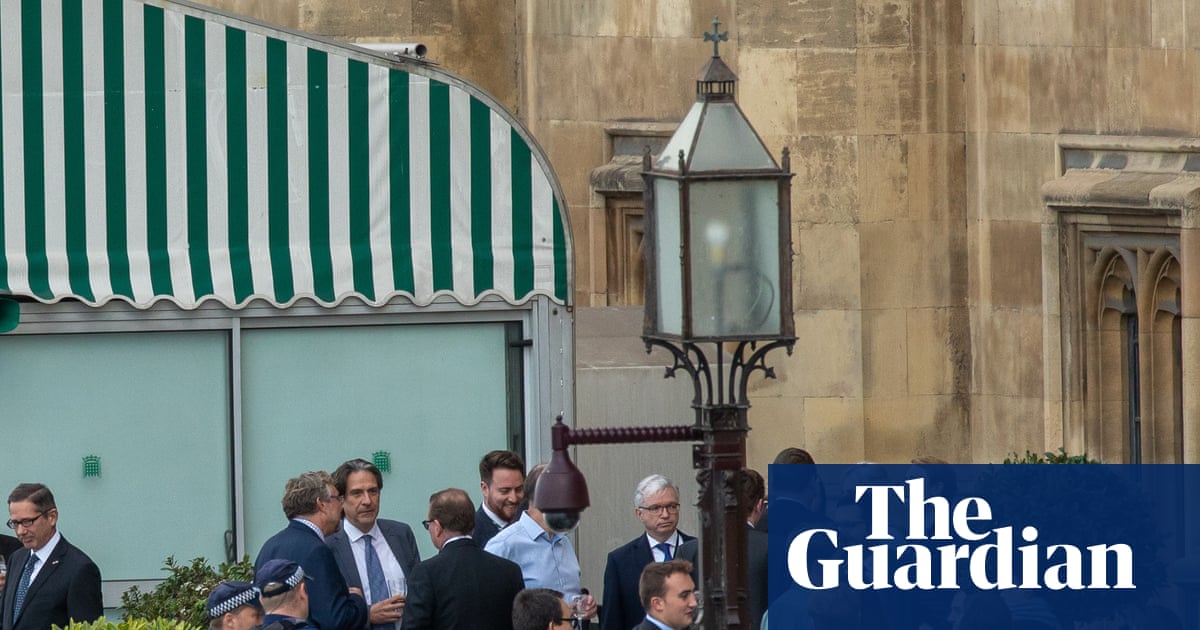
The Institute of Alcohol Studies (IAS) report highlights Westminster as an "alcohol-soaked workplace" where free drinks are common from midday, driven by long hours, loneliness, and networking, leading to concerns about unprofessional and dangerous behavior among legislators.
Imagine a school where grown-ups work, but instead of just water, there's free juice all day, and some grown-ups drink so much they get sick. A new report says this is happening in the UK's Parliament, where the people who make our laws work. It's causing problems because they work long hours and feel lonely, and sometimes they drink too much, which isn't very professional.
Analysis
Westminster's Enduring Alcohol Problem
A recent report by the Institute of Alcohol Studies (IAS) has cast a stark light on what it describes as an "alcohol-soaked" culture within the UK Parliament. The findings, based on a survey of 190 MPs and their staff, reveal that drinking is not merely tolerated but deeply embedded in the professional life of Westminster. Disturbingly, one MP disclosed that colleagues have had their stomachs pumped after consuming excessive amounts of alcohol, highlighting the severe consequences of this environment. This pervasive culture persists despite previous scandals, including an alleged drink spiking incident in Strangers’ bar and revelations about an MP's high weekly alcohol intake.
Drivers of the 'Alcohol-Soaked' Culture
The report identifies several factors contributing to this entrenched drinking culture. Long and unusual working hours, coupled with the loneliness many MPs experience away from home, create a fertile ground for reliance on alcohol. Furthermore, socialising, often involving free alcoholic drinks at daytime and evening events, is seen as a crucial avenue for career advancement and lobbying. This constant availability and the perception of alcohol as a networking tool foster a "casual attitude to drinking," making it an exceptional workplace compared to most other UK professions.
Calls for a Professional Overhaul
The revelations have prompted calls for a significant re-evaluation of Westminster's approach to alcohol. Green party MP Hannah Spencer described the culture as "unprofessional and worrying," noting the smell of alcohol on colleagues between votes. Labour MPs Cat Smith and Beccy Cooper echoed these concerns, with Smith questioning why legislators are permitted to vote after drinking when other professions have strict sobriety rules. Cooper, a former public health consultant, suggested that Parliament should develop its first formal workplace policy on alcohol, emphasizing the measurable harm caused by colleagues' drinking and the lack of clear channels to address such issues.
Key points
- A report by the Institute of Alcohol Studies (IAS) describes UK Parliament as an "alcohol-soaked workplace."
- Some MPs have reportedly had their stomachs pumped due to excessive alcohol consumption.
- Alcohol is readily available from midday, often free, and intertwined with networking and lobbying.
- Factors contributing to the culture include long hours, loneliness, and career advancement pressures.
- MPs are calling for a formal alcohol policy and a more professional approach to address the issue.
The report could serve as a crucial catalyst for meaningful reform within Westminster, leading to the implementation of a formal alcohol policy and a more professional, healthier working environment. This shift could enhance public trust in legislators and improve the overall integrity of the UK's political system.
Despite the report's stark findings, the deeply entrenched nature of Westminster's alcohol culture might resist significant change, leading to continued incidents of unprofessional conduct and health issues among MPs. A failure to act could further erode public confidence and perpetuate a problematic environment for those working in Parliament.