EU relations, climate crisis and Gaza: why Ed Miliband is fired up by Foreign Office challenges
Ed Miliband, the new UK Foreign Secretary, is reportedly energized by the policy challenges of his role, focusing on EU relations, the climate crisis, and the UK's upcoming G20 chairmanship.
Intelligence analysis by Gemini 2.5 Flash
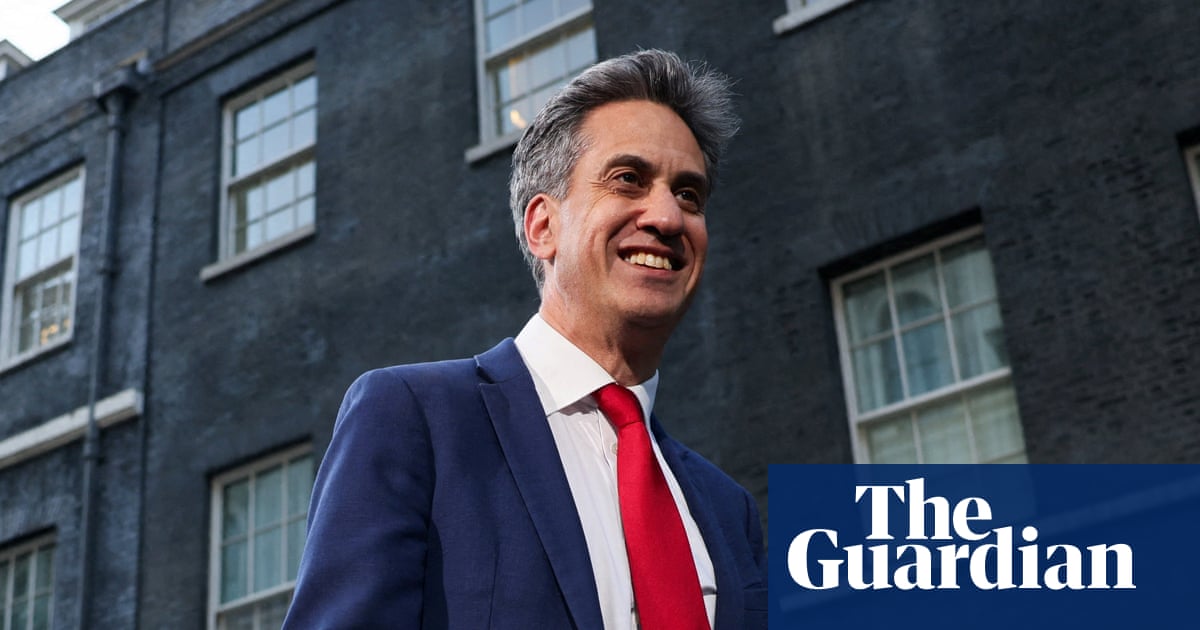
The article frames Ed Miliband's appointment as Foreign Secretary in Andy Burnham's new cabinet as a significant opportunity for a policy-driven approach to UK foreign policy, despite the office sometimes being seen as a consolation prize. Miliband is set to tackle complex issues including post-Brexit EU relations, global financial reform via the G20, and the climate crisis, while nav…
Imagine the UK has a new head diplomat, Ed, whose job is to make friends with other countries and solve big world problems. He's really excited to fix things with Europe after they broke up, help lead a big club of important countries called the G20 to make sure rich people pay their fair share of taxes, and deal with huge issues like climate change and peace in places like Gaza. It's like being the captain of a team trying to win a very important global game, even with some challenges at home.
Analysis
Reinvigorating EU Relations
Ed Miliband's appointment as Foreign Secretary marks a significant shift in the UK's approach to European relations. Unlike the previous administration where the Cabinet Office held sole proprietorship over EU negotiations, Miliband intends to be deeply involved, giving the Foreign Office greater influence. Despite representing a Eurosceptic constituency and being bound by Labour's manifesto red lines against rejoining the single market or customs union, Miliband aims to shape Andy Burnham's long-term vision for the UK-EU relationship over the next decade or more, particularly concerning areas like European defence. Allies emphasize that closer ties with Europe are a key foreign policy priority for national security and economic growth, with Miliband working closely with No 10 and Europe minister Hamish Falconer to achieve this.
Revitalizing the G20 and Global Finance
The UK is set to chair the G20 next year, and Miliband, alongside Gordon Brown who remains a special envoy, is keen to revive the body's influence, which has waned since 2008. A key focus will be tackling illicit finance, with a postponed summit scheduled for December. Ideas such as a global wealth tax and greater transparency in overseas financial holdings are being promoted, building on proposals from the Brazilian G20 presidency and economist Gabriel Zucman's research, which highlighted billionaires paying minimal tax rates. However, the long-standing secrecy of Britain's overseas territories presents a significant challenge to the UK's credibility in combating corruption, requiring careful navigation.
Navigating Broader Geopolitical and Internal Challenges
Beyond EU relations and the G20, Miliband faces a complex array of global and domestic challenges. The article notes his determination to contribute to debates shaping the future international order, particularly given the volatility of the US alliance under a potential Trump presidency. The Palestine issue is also on his agenda, with Miliband having previously advocated for the recognition of Palestine, though progress is complicated by Israeli elections and potential Hamas disarmament. Internally, Miliband inherits a Foreign Office grappling with the recent sacking of its permanent secretary, Olly Robbins, and ongoing staff strikes over job cuts. Furthermore, the new international development minister, Kirsty McNeill, is tasked with addressing massive aid cuts, which have reduced spending to 0.3% of GDP, impacting the UK's global credibility.
Key points
- Ed Miliband has been appointed UK Foreign Secretary in Andy Burnham's new cabinet, reportedly relishing the policy challenges.
- He plans to take a hands-on approach to EU relations, aiming for closer ties for national security and economic growth, despite manifesto red lines.
- Miliband intends to revitalize the G20 during the UK's upcoming chairmanship, focusing on illicit finance and promoting a global wealth tax.
- Other key challenges include navigating the climate crisis, addressing the Palestine issue, and managing a volatile US alliance.
- The Foreign Office faces internal issues, including staff strikes and aid budget cuts, which could impact the UK's international credibility.
Miliband's policy-driven approach and personal involvement could lead to a more coherent and influential UK foreign policy, particularly in improving EU relations and revitalizing the G20's role in global financial governance. His focus on long-term strategy and collaboration with key figures like Gordon Brown and Hamish Falconer offers a pathway to restoring UK credibility and addressing pressing international issues effectively.
Miliband's ambitions could be hampered by internal Foreign Office issues, including staff strikes and leadership changes, as well as the constraints of Labour's manifesto red lines on EU relations. The volatility of the US alliance under a potential Trump presidency and the significant cuts to the aid budget also pose substantial challenges to the UK's international standing and ability to influence global events.