Muratov: Putin can no longer claim victory in Ukraine
Dmitry Muratov says Putin cannot call the Ukraine war a victory and warns that escalation could still reach nuclear use.
Intelligence analysis by GPT-5.4 Mini
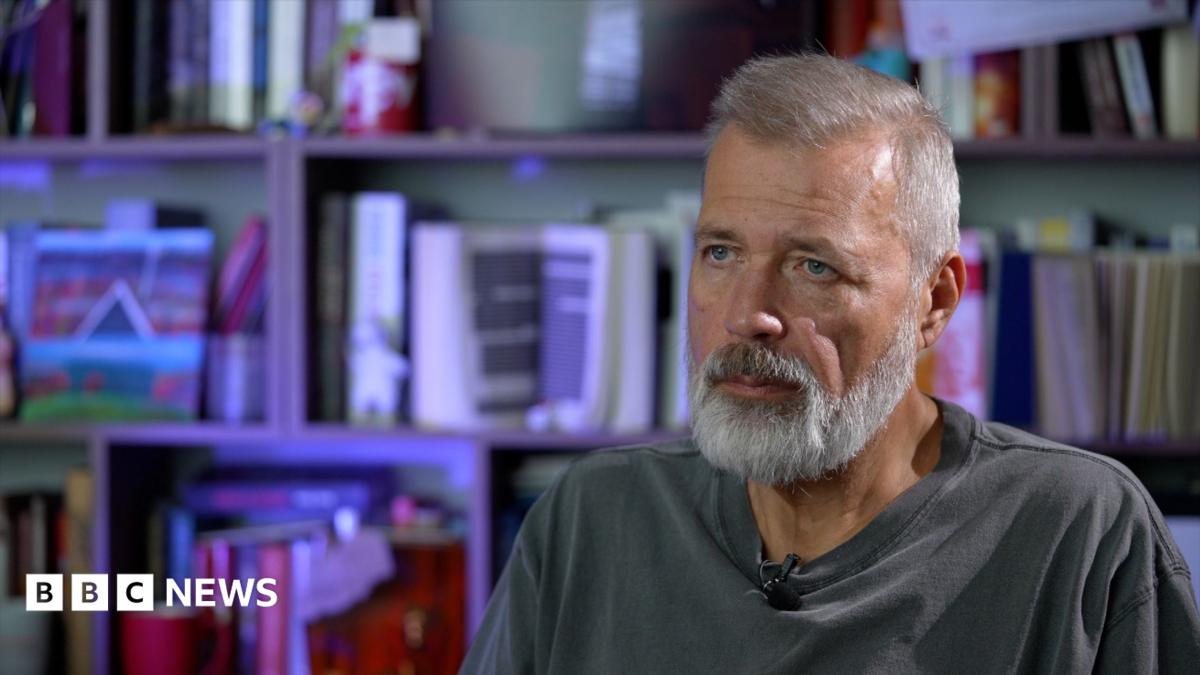
The Nobel Peace Prize winner frames Russia’s war as a long failure that has damaged society, crushed dissent, and left no clear path to victory. He also argues the Kremlin’s grip remains strong, while warning that nuclear talk has become disturbingly normalised.
Muratov is like a former referee saying the game has gone on so long and so badly that nobody can honestly call it a win. He also says the fighting and fear inside Russia are getting worse, and that dangerous talk about nuclear weapons is being heard too often.
Analysis
Novaya Gazeta
Dmitry Muratov’s comments land hardest because they come from inside the story he helped build. Novaya Gazeta was not just another newspaper; it was a symbol of Russian independent journalism, and the article shows how thoroughly that space has been squeezed. The paper still exists online, but the state has blocked access inside Russia and its printing presses were nationalised, stripping it of the reach that once made it influential.
That matters beyond one newsroom. When a government can disable a flagship outlet and label its critics as "foreign agents" or worse, it narrows the public record at the same time as the war expands. Muratov is describing a system that does not merely punish dissent after the fact; it pre-empts it by making independent reporting harder to read, harder to fund, and harder to survive.
Wildberries
Muratov uses the attack on warehouses linked to Wildberries to make a broader point about Russia’s war claims. If the Kremlin justified the invasion as a way to improve security, he argues, then the reality now looks like drones, fuel strain, internet disruption, and more political prisoners. The example is telling because it shifts the war from distant front lines into daily civilian life inside Russia.
That is one of the interview’s most important moves. It suggests the war is no longer just a foreign policy project measured by territory or flags, but a pressure system affecting commerce, transport, communications, and public confidence. Even without claiming Putin has lost control, Muratov is saying the promise of safety has become harder to defend.
FSB
The article is also a reminder that Russia’s political order is still held together by fear, not consensus. Muratov rejects the idea of a meaningful elite split and says the country is run by Vladimir Putin, with that authority reinforced by the FSB. In his telling, the security services do not merely police the system; they help define its boundaries.
His warnings about nuclear language fit into that same logic. He does not claim to know what Putin will do, but he says nuclear use has been discussed repeatedly in state-linked spaces, which is enough to worry him. The larger implication is grim: when escalation talk becomes ordinary, the threshold for catastrophe can feel less like a red line and more like background noise.
Key points
- Dmitry Muratov says Putin can no longer credibly claim victory in Ukraine.
- He argues the war has become a long, destructive conflict that has devastated both societies.
- Muravov says independent journalism in Russia has been squeezed almost out of existence.
- He warns that nuclear rhetoric has become more common in state-linked discussion.
If the war keeps dragging on, Muratov’s warning suggests Russia could see even tighter repression and more normalised nuclear talk. The crackdown on media and critics could make it harder for anyone inside the country to challenge the official line or warn about risks early.