Mushroom murderer Erin Patterson is appealing - here's what you need to know
Erin Patterson, convicted in September 2024 of murdering three relatives with death cap mushrooms in rural Victoria, is appealing her conviction on seven grounds while prosecutors separately seek a harsher sentence.
Intelligence analysis by Llama
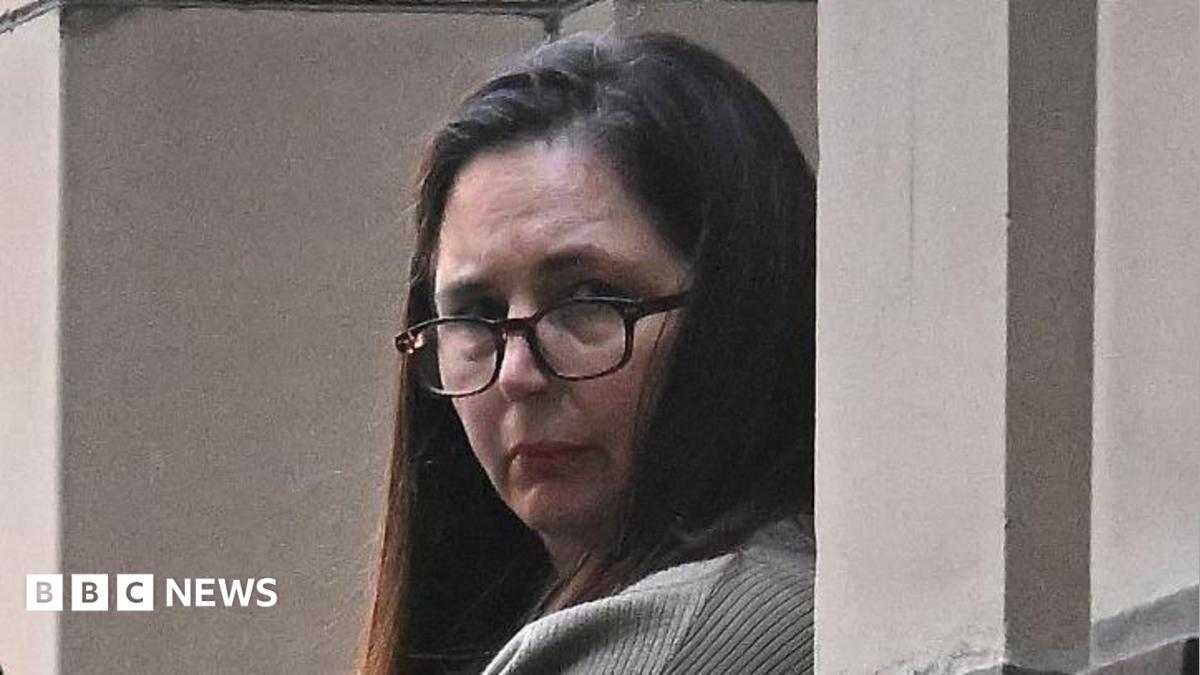
A year after her blockbuster trial, Australia's notorious mushroom murderer is back in court seeking to overturn her life sentence. Patterson's lawyers cite seven grounds including a jury hotel mishap, while prosecutors argue her 33-year parole eligibility is 'manifestly inadequate' for a triple murderer.
Erin Patterson cooked a lunch with super-poisonous mushrooms for her family in Australia. Three people died and one survived. She went to prison, but now she's saying the trial wasn't fair, like a student asking for a retake on a test because of a problem in the classroom.
Analysis
The seven grounds of appeal
Patterson's legal team filed a three-page document in November outlining seven distinct arguments for overturning the conviction. The most headline-grabbing concerns the jury deliberations: a media-driven accommodation shortage in the regional towns around the courthouse meant the jury ended up sharing a hotel with members of the prosecution, a key police witness, and journalists. The trial judge found no evidence of interaction, and Patterson's team did not raise concerns at the time. Yet in the appeal filing, her lawyers called this a 'fundamental irregularity' that 'fatally undermined' the verdict, demanding a retrial 'so that justice cannot only be done but be seen to be done.' Beyond the hotel issue, the defence challenges the admission of mobile phone tracking data linked to death cap mushroom sightings and inflammatory Facebook messages in which Patterson called her estranged husband a 'deadbeat.' The defence also argues the prosecution shifted its position on motive mid-trial and that five days of cross-examination by barrister Nannette Rogers was 'unfair and oppressive.'
Justice Christopher Beale's 33-year parole ruling
The original sentencing drew a sharp split between the judge and the prosecution. Justice Christopher Beale agreed Patterson's crimes were among the worst of their kind but set parole eligibility at 33 years — a decision the Department of Public Prosecutions (DPP) is now actively challenging. The DPP argues the figure is 'manifestly inadequate' and that a triple murderer should never be freed. This rare cross-appeal, where both the defence and prosecution challenge different aspects of the same verdict, puts the sentence back in the hands of three appellate judges. The hearing effectively becomes a re-examination of how Australian courts should weigh aggravating factors in domestic murder cases involving premeditation, deception, and the targeting of elderly relatives.
Nannette Rogers and the courtroom theatre
The trial became compulsive viewing in part because of the courtroom dynamics between Patterson and her cross-examiner, Nannette Rogers. For five days, Rogers accused Patterson of repeatedly lying, and the exchanges grew tense enough that observers described the pair as 'sparring.' Patterson's appeal argues this was prosecutorial overreach. Rogers's aggressive style has since become a talking point in Australian legal circles, with some commentators suggesting it coloured the jury's perception. Whether the appellate court agrees will be a measure of how much latitude Australian trial judges give prosecutors when the accused is unusually composed and self-represented in narrative terms. The appeal also revisits evidence Patterson's team says should have been admitted — notably photographs documenting her hobby as a mushroom forager, which the defence contends would have supported her accident narrative rather than the prosecution's portrayal of her as a calculated killer.
Key points
- Erin Patterson, 51, was convicted in September 2024 of murdering three relatives with death cap mushrooms served in beef Wellington at her Leongatha home in 2023
- Her appeal cites seven grounds, including a 'fundamental irregularity' in jury accommodation and the admission of prejudicial phone-tracking and Facebook evidence
- The prosecution is cross-appealing the 33-year non-parole period, calling it 'manifestly inadequate' for a triple murderer
- Survivor Ian Wilkinson, a local pastor, spent weeks in hospital and continues to suffer health effects from the poisoning
- Patterson will appear via video link from Melbourne's Dame Phyllis Frost Centre rather than attending the appeal in person
If the appellate court scrutinises the jury hotel arrangement and finds it genuinely compromised deliberations, a retrial could reinforce public confidence that Australia's criminal process is robust enough to catch its own mistakes. A revised sentence could also close the gap between public expectation and judicial outcome for a premeditated triple murder.
A failed appeal would leave the victims' families — including survivor Ian Wilkinson, who still suffers ongoing health effects — relitigating the trauma in public. A lengthier non-parole period, while legally defensible, would also extend the period before any possibility of parole review, keeping the case in the news cycle for years.