Nawaz Sharif Recalls: “When I Was Prime Minister, the Dollar Was Only Rs104”
Nawaz Sharif recalled the exchange rate during his time as prime minister, saying that the US dollar remained around Rs104 for several years of his tenure.
Intelligence analysis by Llama
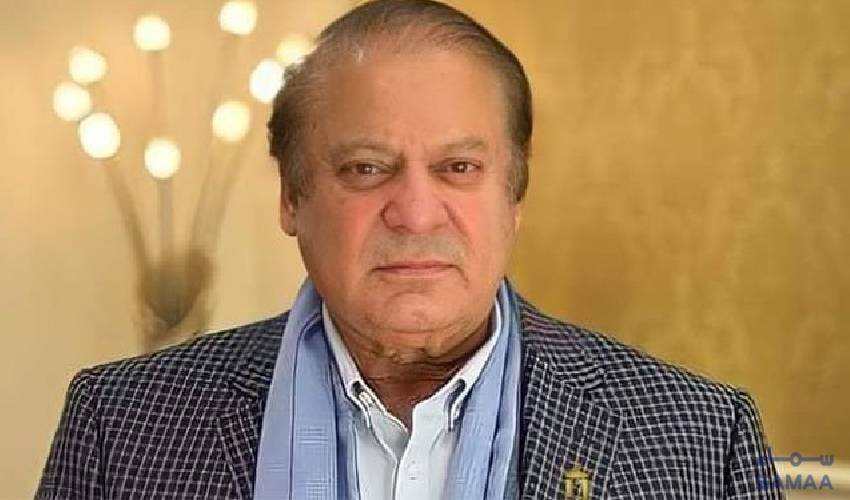
Nawaz Sharif reflected on the significant changes in the value of the Pakistani rupee and the wider economic conditions facing the country today, highlighting the substantial movement in the exchange rate over time.
Nawaz Sharif, a former prime minister of Pakistan, remembered that when he was in office, the value of the US dollar was around 104 rupees. This is different from the current value, which is much higher. This change in the value of the dollar affects Pakistan's economy and its ability to attract foreign investment.
Analysis
Exchange Rate Fluctuations Under Nawaz Sharif's Tenure
Nawaz Sharif's recent recollection of the exchange rate during his time as prime minister has sparked renewed discussion about currency stability and economic policies in Pakistan. According to Sharif, the US dollar remained close to the Rs104 level for roughly three to four years during his time in office, offering a contrast with its much higher value in recent years. This substantial movement in the exchange rate over time has significant implications for the country's economy and its ability to attract foreign investment.
Economic Conditions in Pakistan
The value of the Pakistani rupee has been a subject of concern for many years, with fluctuations in the exchange rate affecting the country's economy. The recent remarks by Nawaz Sharif have highlighted the need for a stable exchange rate to attract foreign investment and promote economic growth. The government has been working to implement policies that will stabilize the exchange rate and promote economic growth, but the challenges are significant.
Implications for Pakistan's Economy
The exchange rate fluctuations under Nawaz Sharif's tenure have significant implications for Pakistan's economy. A stable exchange rate is essential for attracting foreign investment, promoting economic growth, and reducing inflation. The government's ability to implement policies that will stabilize the exchange rate and promote economic growth will be crucial in determining the country's economic future.
Key points
- Nawaz Sharif recalled the exchange rate during his time as prime minister, saying that the US dollar remained around Rs104 for several years of his tenure.
- The value of the Pakistani rupee has been a subject of concern for many years, with fluctuations in the exchange rate affecting the country's economy.
- A stable exchange rate is essential for attracting foreign investment, promoting economic growth, and reducing inflation.
If the government is able to implement policies that will stabilize the exchange rate and promote economic growth, Pakistan's economy could see significant improvements. This could lead to increased foreign investment, reduced inflation, and improved living standards for the country's citizens.
However, if the government is unable to implement effective policies to stabilize the exchange rate and promote economic growth, Pakistan's economy could face significant challenges. This could lead to reduced foreign investment, increased inflation, and decreased living standards for the country's citizens.