Nearly $2.2 million lost to impersonation scams on iMessage in less than 2 months
Nearly $2.2 million has been lost to impersonation scams on iMessage in less than two months, targeting couriers like NinjaVan and financial institutions. Police have blocked over 30,000 fake Apple iMessage accounts and warn that scam losses rose by 80% in one month.
Intelligence analysis by Llama
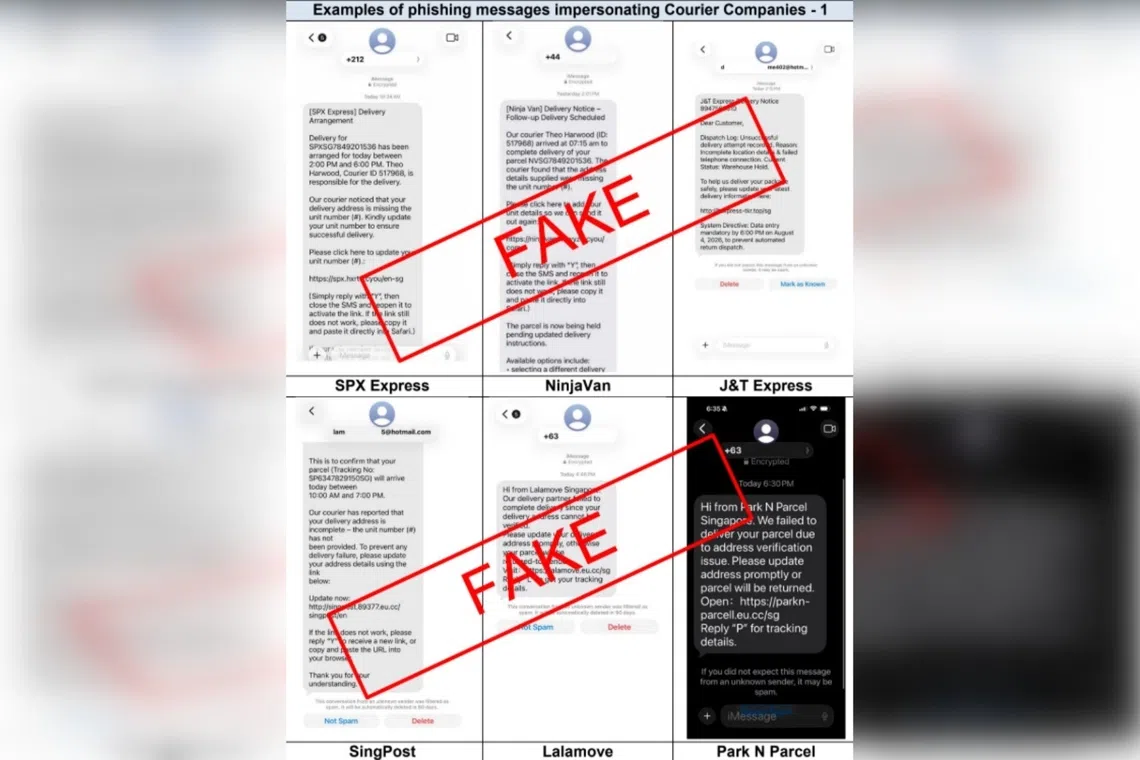
A surge in scams using Apple's iMessage service to pose as official institutions or courier companies has led to nearly $2.2 million in losses. The police have foiled over 30,000 Apple iMessage accounts linked to the fraud campaign and warn that scam losses have increased by more than 80% in a month.
Imagine you receive a message on iMessage that says your package is ready for delivery. The message looks like it's from a real courier company, but it's actually a scam. The scammers want you to click on a link that will take you to a fake website where they can steal your money. Don't click on the link! Instead, go to the courier company's website directly and check if your package is ready for delivery. If it is, you can pick it up or have it delivered to you safely.
Analysis
Impersonation Scams on iMessage: A Growing Threat
The recent surge in impersonation scams on iMessage has led to significant financial losses for victims, with nearly $2.2 million lost in less than two months. The police have blocked over 30,000 fake Apple iMessage accounts and warn that scam losses have increased by more than 80% in a month.
The scammers use Apple's iMessage service to pose as official institutions or courier companies, including NinjaVan and SPX Express. They send messages to victims, asking them to click on links that resemble the actual URL of couriers, government agencies, or financial institutions. Once the victim clicks on the link, they are redirected to a fake website that resembles the official website of the courier or institution. The victim is then asked to pay a small fee to release their package or fine, and to provide their credit card and internet banking credentials.
The police have warned that government agencies and couriers do not use iMessage to communicate with the public. They have advised members of the public to exercise caution when receiving messages via iMessage and to look out for warnings indicating that a message may be spam.
The rise of impersonation scams on iMessage is a growing concern in Singapore, with such cases more than doubling from 1,504 cases in 2024 to 3,363 cases in 2025. The police have urged members of the public to be vigilant and to report any suspicious messages to them.
Preventing Impersonation Scams on iMessage
To prevent impersonation scams on iMessage, members of the public can take several steps. Firstly, they should be cautious when receiving messages via iMessage and look out for warnings indicating that a message may be spam. They should also be aware of the risks of phishing and other scams, and be careful when providing personal and financial information online.
Secondly, members of the public should be aware that government agencies and couriers do not use iMessage to communicate with the public. They should be wary of messages that ask them to click on links or provide personal and financial information.
Finally, members of the public can report any suspicious messages to the police. They can call 1800-255-0000 or go to www.police.gov.sg/i-witness to report any suspicious messages.
Conclusion
In conclusion, the recent surge in impersonation scams on iMessage is a growing concern in Singapore. Members of the public should be vigilant and take several steps to prevent such scams. They should be cautious when receiving messages via iMessage, be aware of the risks of phishing and other scams, and report any suspicious messages to the police.
Key points
- Nearly $2.2 million lost to impersonation scams on iMessage in less than two months
- Police have blocked over 30,000 fake Apple iMessage accounts
- Scammers use Apple's iMessage service to pose as official institutions or courier companies
- Victims are asked to click on links that resemble the actual URL of couriers, government agencies, or financial institutions
- Police warn that government agencies and couriers do not use iMessage to communicate with the public
If the police and government agencies continue to work together to combat impersonation scams on iMessage, it's possible that the number of victims will decrease and the amount of money lost will be reduced. Additionally, if members of the public remain vigilant and take steps to prevent such scams, they can protect themselves and their loved ones from financial losses.
If the impersonation scams on iMessage continue to grow, it's possible that the number of victims will increase and the amount of money lost will continue to rise. This could lead to a significant financial burden on individuals and the economy as a whole.