Overcrowded units, short stays: Suspected illegal accommodation cases on the rise in Singapore
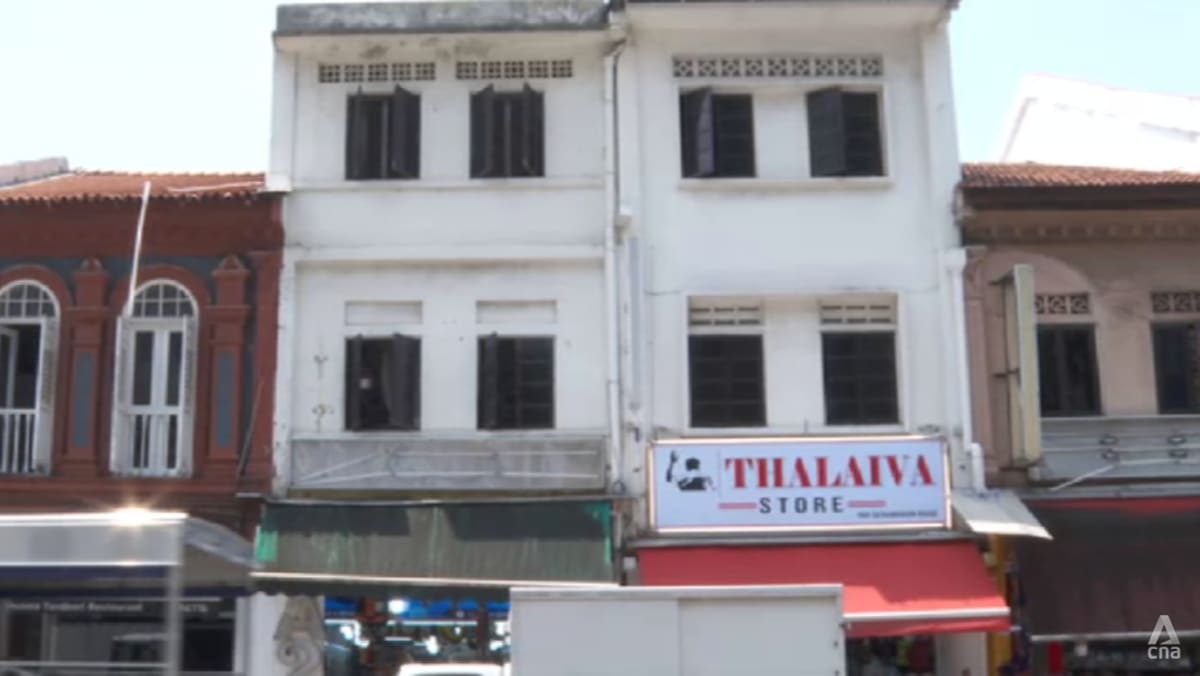
Suspected illegal accommodation cases in Singapore have risen to 544 last year from 534 in 2024. Authorities found 37 people living in an unauthorised dormitory in a shophouse along Serangoon Road. Property managers say such arrangements are becoming harder to detect.
Intelligence analysis by Llama
Suspected illegal accommodation cases in Singapore have risen, with authorities finding 37 people living in an unauthorised dormitory. Property managers say such arrangements are becoming harder to detect.
Imagine you're living in a building with many rooms. Some people might be living in those rooms without permission, which is against the rules. The authorities are trying to catch these people and make sure everyone follows the rules. But it's getting harder for them to find these people because they're being sneaky.
Analysis
Unauthorised Dormitories on the Rise in Singapore
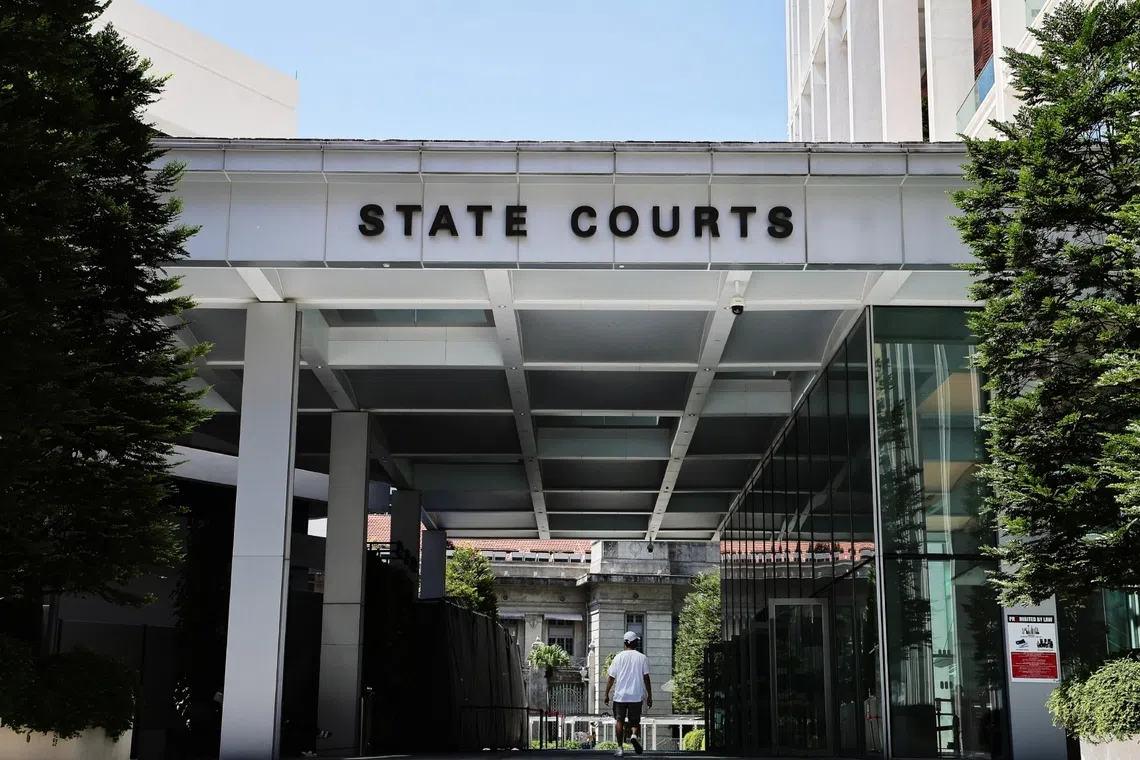
The Urban Redevelopment Authority (URA) investigated 544 suspected unauthorised dormitories and short-term accommodation cases last year, a 2% increase from 534 in 2024. This trend is concerning, as it highlights the need for authorities to improve detection and enforcement. The URA's efforts to combat illegal accommodation have been ongoing, but it appears that those involved have adapted their methods to evade detection.
One such case was discovered in a shophouse along Serangoon Road, where 37 people were found living across the second and third floors. The authorities conducted a surprise inspection in 2024 and found 10 rooms containing 36 bed spaces. The offender was fined S$90,000 for converting the shophouse unit into an unauthorised dormitory.
Detection Becoming Harder
Property managers say that such arrangements are becoming harder to detect. They attribute this to the changing methods used by those involved in illegal accommodation. Previously, property managers would log into accommodation-related platforms such as Airbnb to see if there were posts regarding the estate. However, nowadays, vendors are going for social media and some even post on social media not commonly used in Singapore.
Challenges in Detection
Detection can become more difficult once occupants are already living in a residential development. People staying in a unit may have access cards just like legitimate residents, while surveillance cameras alone may not be enough to establish if someone is living there illegally. Property managers therefore keep a lookout for patterns of unusual behaviour, such as people appearing confused or asking for directions.
Conclusion
The rise in suspected illegal accommodation cases in Singapore highlights the need for authorities to improve detection and enforcement. It also raises concerns about the impact on legitimate residents and the community. As property managers adapt their methods to detect such arrangements, it is essential that authorities keep pace with these changes to effectively combat illegal accommodation.
Key points
- Suspected illegal accommodation cases in Singapore have risen to 544 last year from 534 in 2024.
- Authorities found 37 people living in an unauthorised dormitory in a shophouse along Serangoon Road.
- Property managers say such arrangements are becoming harder to detect.
- Detection can become more difficult once occupants are already living in a residential development.
- Property managers keep a lookout for patterns of unusual behaviour to detect such arrangements.
If authorities can improve detection and enforcement, it may lead to a decrease in suspected illegal accommodation cases. This could also lead to a more stable and secure living environment for legitimate residents.
If the trend of suspected illegal accommodation cases continues to rise, it may lead to a decrease in property values and a negative impact on the community. It could also lead to a decrease in trust in authorities' ability to enforce the law.