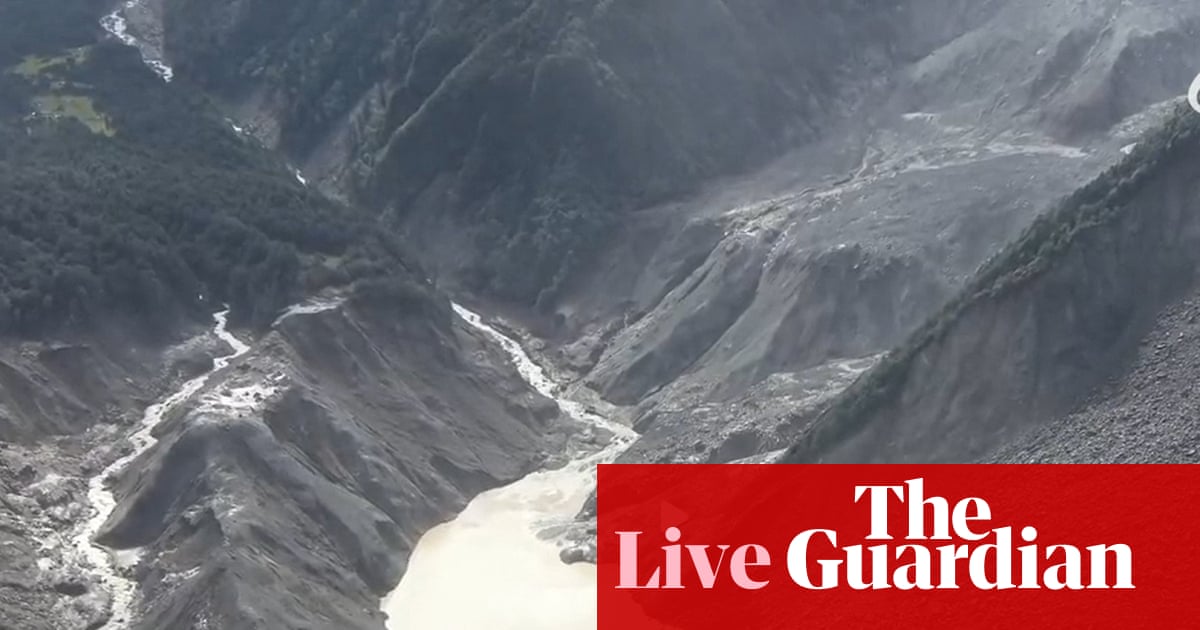
Nepal army rescues survivors from hydropower tunnel
The Nepali army is conducting rescue operations for over 100 people trapped inside a tunnel at a hydropower project in Rasuwa, following deadly floods across the country.
Intelligence analysis by Gemini 2.5 Flash

In the wake of devastating floods that have claimed at least 475 lives in Nepal, the country's army has launched a critical rescue mission. Soldiers are working to extract survivors from a mud-filled tunnel at a hydropower project in Rasuwa, where more than 100 individuals were estimated to be trapped.
Imagine a big river overflowing its banks and causing huge floods, like when your bathtub overflows but much, much bigger! In Nepal, this happened, and many people got stuck inside a long, dark tunnel that was part of a big electricity-making machine. Brave soldiers are now crawling through thick mud to pull them out and bring them to safety, while many other people in the country are also dealing with the big flood.
Analysis
The ongoing rescue operation in Rasuwa, Nepal, underscores the severe and immediate challenges posed by the recent deadly floods. The Nepali army's efforts to extract over 100 individuals from a hydropower tunnel are a testament to the critical need for rapid response in disaster-stricken areas. The footage shared by the prime minister's office, depicting soldiers navigating thick mud and carrying survivors, illustrates the arduous conditions under which these life-saving missions are being conducted. This incident is not isolated but forms part of a broader national crisis, with rescue efforts being carried out across the country.
Rasuwa
The district of Rasuwa has become a focal point for these urgent rescue operations, specifically at a hydropower project where a tunnel became a death trap for many. The geographical and infrastructural vulnerabilities of such regions often exacerbate the impact of natural calamities like floods. The specific location of the incident within a hydropower project suggests potential risks associated with large-scale infrastructure in areas prone to severe weather events. The challenges faced by the army in Rasuwa, including navigating treacherous terrain and thick mud, highlight the logistical complexities inherent in such rescue missions, requiring specialized equipment and highly trained personnel.
Hydropower Project
The incident at the hydropower project's tunnel brings to light the dual nature of such developments. While crucial for energy generation and economic growth, they can also become sites of extreme danger during natural disasters. The trapping of over 100 people within the tunnel indicates a significant structural failure or overwhelming force of the floodwaters. This event may prompt a review of safety protocols and disaster preparedness measures for critical infrastructure projects located in flood-prone regions, emphasizing the need for robust emergency exits and communication systems to protect workers and local populations.
Nepal Death Toll
The broader context of this rescue effort is the devastating national flood crisis, which has already led to a reported death toll of 475 people across Nepal as of Friday. This grim figure underscores the widespread destruction and loss of life caused by the floods. The ongoing rescue operations, including the one in Rasuwa, are crucial not only for saving lives but also for providing hope amidst the tragedy. The high death toll signifies a major humanitarian catastrophe, placing immense pressure on the country's emergency services, healthcare system, and overall infrastructure, necessitating both immediate relief and long-term recovery efforts.
Key points
- The Nepali army is actively rescuing survivors trapped inside a hydropower tunnel in Rasuwa.
- Over 100 people were estimated to be trapped within the tunnel.
- Soldiers are navigating thick mud to reach and carry out survivors.
- The rescue operation is part of broader efforts following deadly floods across Nepal.
- The national death toll from the floods reached 475 as of Friday.
The ongoing efforts by the Nepali army to rescue survivors from the hydropower tunnel offer a glimmer of hope amidst the widespread devastation. Successful extraction of those trapped would demonstrate effective disaster response and potentially save many lives, mitigating some of the tragic impact of the floods.
Despite the rescue efforts, the reported death toll of 475 from the floods indicates a severe and widespread disaster. The large number of people still trapped and the challenging conditions suggest that the final casualty count could rise further, highlighting the immense human cost and the long road to recovery for the affected regions.