‘So desperately loved’: ADF member among dozens of Australians missing in Nepal floods as families pray for safe return
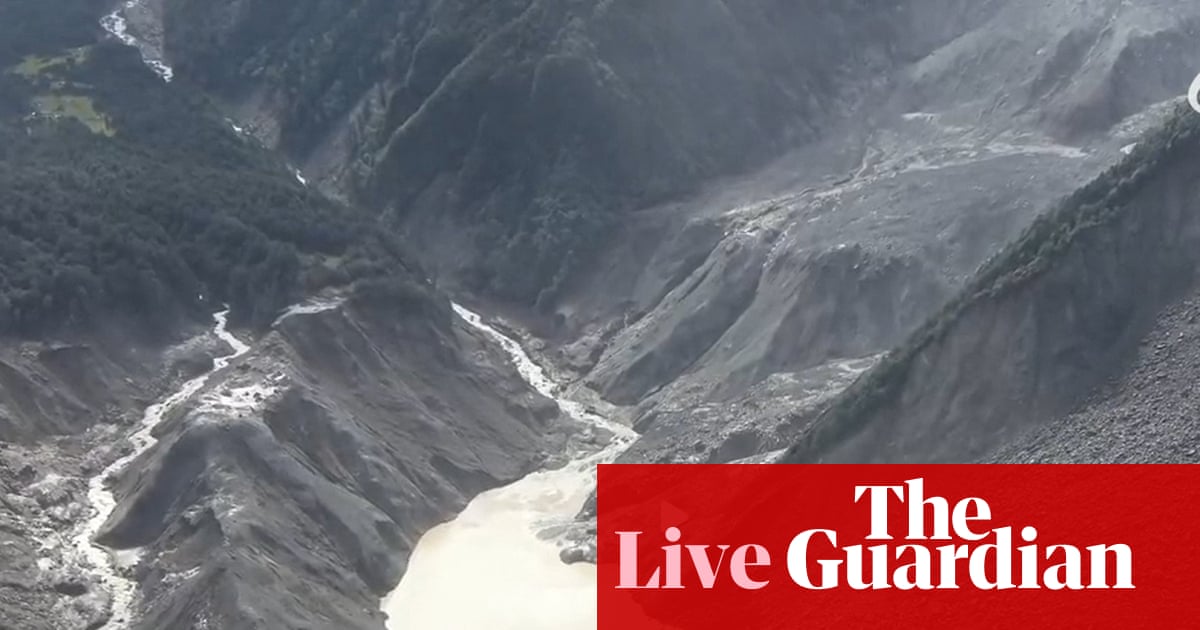
Dozens of Australians, including an Australian Defence Force member and a Sydney family, are missing after devastating flash floods and landslides hit the Nepal-Tibet border, leaving over 1,500 people unaccounted for and 469 confirmed dead.
Intelligence analysis by Gemini 2.5 Flash
Families of Australians missing in the catastrophic Nepal-Tibet floods are holding onto hope for their loved ones' safe return, as rescue efforts continue amidst a high death toll and widespread disappearances. The disaster has impacted pilgrims and travelers, highlighting the dangers of natural calamities in remote regions.
Imagine a huge amount of rain falling very quickly in the mountains, causing rivers to burst and mudslides to rush down, like a giant, fast-moving wave of dirt and water. This happened near the border of Nepal and Tibet, and many people, including some Australian families on a special trip, have gone missing. Their families are now waiting anxiously, hoping they will be found safe, while many others have sadly already been confirmed to have died.
Analysis
Karan Bhardwaj
The disappearance of Karan Bhardwaj, a 40-year-old Brisbane-based member of the Royal Australian Air Force, underscores the diverse backgrounds of those affected by the Nepal-Tibet flash floods. His family's desperate prayers highlight the profound personal toll such disasters inflict, extending far beyond the immediate geographical impact. Bhardwaj's role in the ADF adds a layer of national concern, as his safety becomes a priority for Australian authorities.
His family's public plea for information reflects the agonizing wait faced by relatives of the missing. This situation exemplifies the challenges of tracking individuals in remote, disaster-stricken regions, where communication infrastructure is often compromised. The emotional appeal from his family member, Jen, emphasizes the deep love and hope that persist amidst overwhelming uncertainty, making his story a poignant representation of the broader human tragedy.
Muralitharan Family
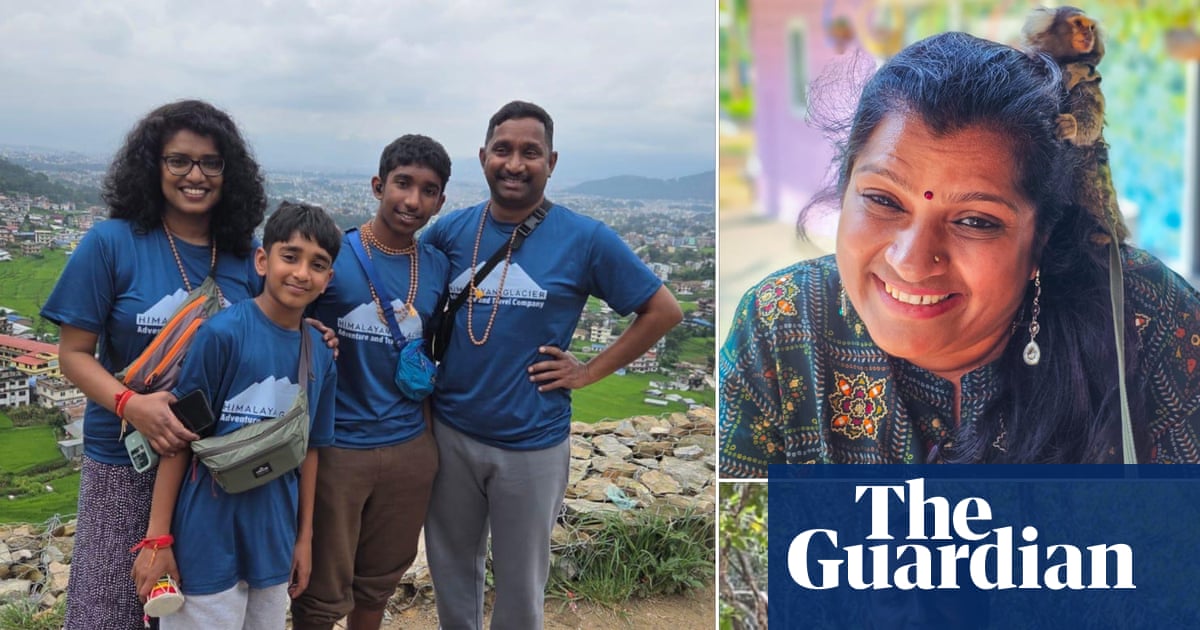
The Muralitharan family, including parents Shylaja and Chandrasekaran and their sons Ashwin and Aarush, were on a Hindu pilgrimage to Mount Kailash in Tibet when the floods struck. Their journey, a spiritual undertaking, turned into a harrowing ordeal, illustrating the vulnerability of travelers pursuing cultural or religious experiences in geographically challenging areas. The family's participation in a group trek with 15 other Australians from Sydney highlights the collective anxiety gripping multiple families.
Vaishnavi, Shylaja's sister, described the family's extensive preparation for the arduous trek, underscoring the unforeseen nature of the disaster. Their last contact shortly after breakfast on the day of the flood paints a vivid picture of the suddenness with which the catastrophe unfolded. The lack of clear information regarding rescue efforts, as expressed by Vaishnavi, points to the logistical difficulties faced by authorities and the distress experienced by families seeking updates.
Nepal-Tibet Border
The flash floods and landslides that devastated the Bhotekoshi and Trishuli river basins on the Nepal-Tibet border have resulted in a catastrophic loss of life and widespread disappearances. With over 1,500 people still missing and 469 confirmed dead, the scale of this natural disaster is immense, posing significant challenges for rescue and recovery operations. The geographical complexity of the Himalayan region, prone to such events, exacerbates the difficulty of reaching affected areas and providing aid.
The disaster's impact on international travelers, including dozens of Australians, elevates it to a global concern, prompting diplomatic efforts and humanitarian responses. The report of one Australian woman contacting her family after surviving offers a glimmer of hope, yet it also underscores the precarious situation of those still unaccounted for. The ongoing efforts to gather information and coordinate rescue missions across a challenging international border highlight the complexities inherent in responding to large-scale cross-border natural calamities.
Key points
- Dozens of Australians are missing after flash floods and landslides hit the Nepal-Tibet border.
- Over 1,500 people remain missing and 469 have been confirmed dead in the Bhotekoshi and Trishuli river basins.
- Among the missing are Karan Bhardwaj, a Royal Australian Air Force member, and the Muralitharan family on a Hindu pilgrimage.
- Families are expressing deep worry but also hope for the safe return of their loved ones.
- One Australian woman has been confirmed safe, offering a glimmer of hope amidst the disaster.
Despite the grim situation, there is hope for some of the missing, as one Australian woman has already been confirmed safe after contacting her family. Continued international and local rescue efforts, coupled with the resilience of those affected, could lead to more individuals being found and reunited with their families.
The high number of confirmed deaths and over 1,500 people still missing indicate a significant risk that many of those unaccounted for may not be found alive. The challenging terrain and scale of the disaster could hinder rescue operations, leading to further tragic outcomes for the families desperately awaiting news.