'Netflix has to evolve': can the upstart survive the end of the binge-watch era?
Netflix faces slowing engagement growth, audience declines of 30-70% in second seasons of top shows, and a 40% share price drop as the binge-watch model shows strain against weekly-release competitors.
Intelligence analysis by Llama
Netflix, which built its empire on releasing entire seasons at once, now confronts audience fatigue, mounting cancellations, and investor anxiety. With a $83bn bid for Warner Bros Discovery and major franchises winding down, the streamer is being forced to rethink its playbook.
Netflix became huge by letting people watch whole TV seasons at once, but now lots of viewers stop watching after the first season. So Netflix is trying to buy other big movie and TV companies to have more shows, and its stock price has dropped a lot because people are worried.
Analysis
The Binge Model Hits a Wall
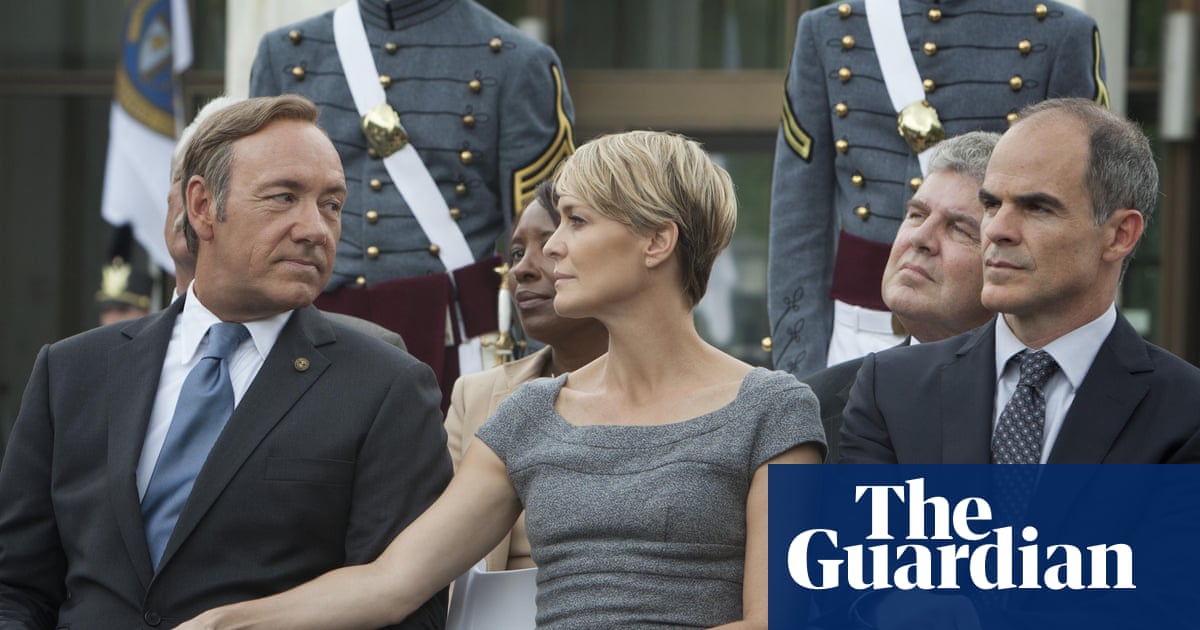
Netflix built its global dominance on a radical proposition: release every episode of a season at once and let viewers devour shows on their own schedule. That approach made House of Cards a cultural event and turned Netflix into the world's most popular streaming service. But fifteen years later, internal audience data suggests the model is fraying. Analysis of flagship series including One Piece, Beef, The Night Agent, and Avatar: The Last Airbender shows viewership dropping between 30% and 70% from season one to season two, with further declines into season three. The pattern is structural, not anecdotal.
The high cancellation rate, roughly 22% across Netflix's annual slate of about 180 shows, is not unusual among streamers, where data-driven commissioning routinely pulls the plug after two or three seasons. But it is a sharp departure from traditional broadcasters like the BBC, where scripted series typically run for five or six seasons. As former BBC and ITV executive Peter Fincham puts it, streamers are "much less sentimental" than linear TV ever was. The economics that once made binge releases feel novel now feel punishing for both creators and audiences.
The $83bn Bet on a Different Future
With mega-franchises Stranger Things and Squid Game winding down and Wednesday not returning until next year, Netflix stunned markets with an $83bn (£62bn) bid for Warner Bros Discovery's studios and streaming business. It marked the first time Netflix has pursued a major acquisition to bulk up its content pipeline rather than growing organically. Bosses framed it as a once-in-a-generation chance to absorb HBO, the Harry Potter and DC franchises, and other crown-jewel assets. Investors read it differently: a tacit admission that Netflix's organic content engine needs reinforcement.
The market's verdict has been harsh. Netflix's share price has fallen 40% over the last year, reflecting anxiety about engagement, content gaps, and the price tag of the WBD pursuit. The move also signals a strategic pivot from pure original production toward owning legacy IP, a bet that catalogue depth and tentpole franchises can offset the diminishing returns of the binge model.
An Industry-Wide Maturity Problem
The temptation is to frame Netflix's challenges as company-specific, but the data suggests a sector-wide slowdown. Emarketer forecasts that time spent on Netflix in the US will grow by just two minutes this year to 36 minutes, with single-minute annual gains projected through 2028. Disney+ is forecast to add only one minute of daily viewing in the same period. Competitors like Disney+, HBO Max, and Apple TV are finding success with traditional weekly-release schedules, using slower-burn drip-feeds for hits such as Rivals, The Pitt, and Widows Bay, formats that build audience habit rather than burn through content in a weekend.
While Disney's streaming profits nearly doubled year-on-year in its most recent quarter and posted its first double-digit streaming margin, even its engagement metrics are flattening. The binge era, in other words, may not just be ending for Netflix; it may be ending for the streaming category as a whole. The next phase of competition will reward retention, franchise stewardship, and pricing power over sheer volume of content. Netflix's evolution is not just a corporate challenge; it is a referendum on what streaming becomes next.
Key points
- Audience declines of 30-70% from season one to season two in major Netflix shows signal binge model fatigue
- Netflix's share price has fallen 40% over the past year amid investor concern over its content pipeline
- The $83bn bid for Warner Bros Discovery marks Netflix's first major acquisition and reflects a strategic pivot toward legacy IP
- Competitors like Disney+, HBO Max, and Apple TV are gaining traction with traditional weekly-release formats
- Emarketer forecasts just two minutes of US viewing-time growth for Netflix this year, signalling a broader streaming maturity issue
If the WBD acquisition closes, Netflix would gain a deep catalogue of premium IP and HBO's prestige brand, potentially reigniting subscriber growth and justifying a re-rating. A shift toward weekly releases and franchise stewardship could also improve long-term audience retention and stabilise engagement metrics.
The $83bn WBD bid could overextend Netflix financially, and even with added content, engagement may continue to plateau as competition for attention intensifies from YouTube and rival streamers. With 40% already erased from the share price and franchise wind-downs underway, Netflix risks a prolonged period of sluggish growth and margin pressure.