New Zealand legislation making English an official language ridiculed as 'pathetic'
New Zealand's parliament has passed a bill making English an official language, despite ministry of justice advice that the law was unnecessary. Critics call it a performative, 70-word exercise in culture-war politics.
Intelligence analysis by Llama
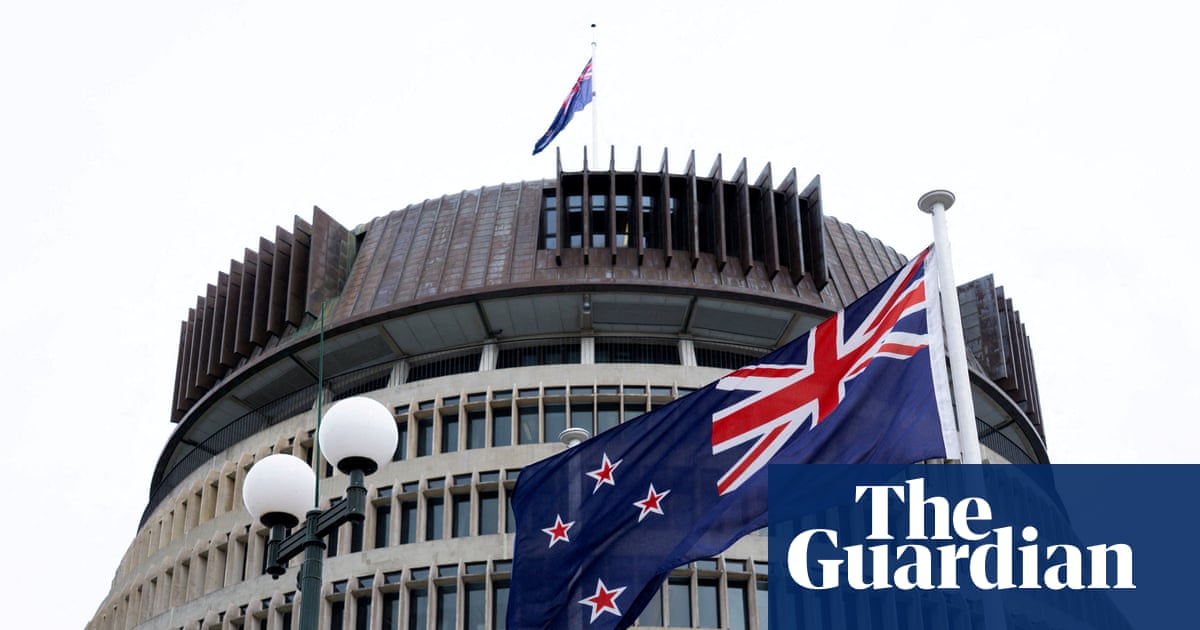
A coalition-backed bill giving English official status alongside te reo Māori and NZ Sign Language passed on 30 July, with 95% of New Zealanders already speaking English. Linguists, legal scholars, and a viral Green MP speech mocked the move as ideological and pointless, while Labour voted for a bill it opposed to end a 'needless culture war'.
New Zealand made English an official law, but almost everyone there already speaks it, so it's like making a rule that water must be wet. Some people say the rule is silly and only causes arguments, while others think it is important for standing up for their history and language.
Analysis
A 70-Word Bill Addressing a Non-Existent Problem
The English Language Bill, which became law in New Zealand on 30 July, is one of the shortest pieces of legislation to generate outsized political attention. According to the article, it runs to roughly 70 words and does little more than codify what is already everyday reality: 95% of New Zealanders speak English, and the language dominates commerce, government, and public life. Ministry of Justice officials had recommended against passage, noting there was "no evidence to support concerns about the use or status of English as an official language." That advice was overridden by a parliamentary majority. Linguist Dr Sidney Wong, a post-doctoral fellow at Te Pūnaha Matatini, told the Guardian the bill was driven by ideology rather than need, and that real protection of English would mean funding research into how New Zealanders actually use the language, not symbolic statute.
The Coalition Arithmetic Behind the Vote
The bill's origin lies less in language policy than in New Zealand's fragmented multi-party parliament. National, the centre-right senior partner in government, depends on confidence from two minor parties, New Zealand First and Act, to retain office. English official status was a New Zealand First priority, reflecting its leader Winston Peters' long-standing opposition to affirmative initiatives for Māori, as the article notes. The major opposition Labour party ultimately voted in favour despite having previously opposed the bill, framing its support as a way to draw a line under what it called a "needless culture war." The Greens and Te Pāti Māori voted against. The cross-bench support means the bill has bipartisan cover, even though it lacks support from legal and linguistic experts.
Performative Law and the Limits of Official Status
Law professor Dr Dean Knight of Victoria University of Wellington dismissed the law as "a pointless exercise" that changes nothing in practice. He pointed out that the legislation does not mandate priority for English in government communications, leaving the country's three-language arrangement effectively unchanged. That critique echoes a broader concern with what the article describes as "performative law-making": legislation whose value is symbolic rather than operational. A viral speech by Green MP Tamatha Paul, who called the bill "a pathetic waste of the responsibility of this house" and labelled the government "snowflakes" over the use of the word Aotearoa, drew millions of views. The episode suggests that for supporters and critics alike, the bill's significance lies in what it signals about the place of te reo Māori in public life, rather than in any practical change to the status of English.
Key points
- New Zealand's parliament passed a bill on 30 July giving English official status alongside te reo Māori and NZ Sign Language
- The Ministry of Justice had recommended against the bill, saying there was no evidence English needed legal protection
- English is already spoken by 95% of New Zealanders, according to the article
- The bill originated as part of a coalition deal between National and New Zealand First, led by Winston Peters
- Green MP Tamatha Paul's speech calling the bill 'pathetic' drew millions of online views
- Linguist Dr Sidney Wong and law professor Dr Dean Knight both said the law was ideologically driven and legally pointless
- Labour voted for the bill despite opposing it, citing a desire to end a 'needless culture war'
If treated as a one-off compromise, the bill could simply close a minor negotiation item and allow parliament to move on to substantive policy work. Labour's framing of the vote as a way to end a "needless culture war" suggests both major parties may now deprioritise language-status fights and redirect attention to underfunded research into how New Zealanders actually use English.
The bill risks normalising symbolic culture-war legislation, with critics warning it could embolden further rollbacks of Māori-language initiatives in public services. Dr Dean Knight's warning that the law does not in fact protect English may not blunt its use as a political signal, and subsequent coalition negotiations could extract further concessions targeting te reo Māori use in schools, signage, and official communications.