Not 'poor enough': Do people use London's pay-it-forward schemes?
Pay-it-forward schemes in London, offering free coffees or books, aim to help people amid the cost of living crisis, but face challenges with public uptake due to embarrassment or feeling 'not poor enough'.
Intelligence analysis by Gemini 2.5 Flash
Amid rising living costs, London businesses like Host Cafe and Lala Books operate 'pay-it-forward' schemes, allowing customers to donate for others to claim small items discreetly. While praised as 'life-changing' by some, an economist views them as mere 'signals of kindness' rather than structural solutions, and many potential users hesitate due to perceived stigma.
Imagine a secret piggy bank at a cafe or bookshop where kind people put money. If you're feeling a bit short on pocket money and really want a hot chocolate or a cool new book, you can quietly take a special token or a gift card from the piggy bank to pay for it, no questions asked. It's there to help anyone who needs a little boost, so they don't have to miss out on small comforts, even if they feel a bit shy about asking.
Analysis
Host Cafe
Host Cafe, situated within the St Mary Aldermary church in the City of London, exemplifies the practical application of a pay-it-forward system. Manager Barbara Gornicka has intentionally designed the scheme to be accessible and discreet, allowing individuals to claim a free drink by simply taking a polymer clay heart from a board. This method aims to alleviate potential embarrassment, particularly in busy queues, ensuring that those in need can access support without direct verbal requests.
The scheme's impact is profound for individuals like Paul Atherton, who has experienced homelessness for 17 years and lives on a very limited daily allowance after essential storage costs. Atherton describes these initiatives as "life-changing," providing not just a beverage but also a vital sense of belonging and access to amenities like Wi-Fi, which help him feel connected to society. Gornicka's ambition extends beyond helping only the most financially distressed, hoping to foster an environment where anyone feeling a slight pinch can comfortably use the scheme.
Lala Books
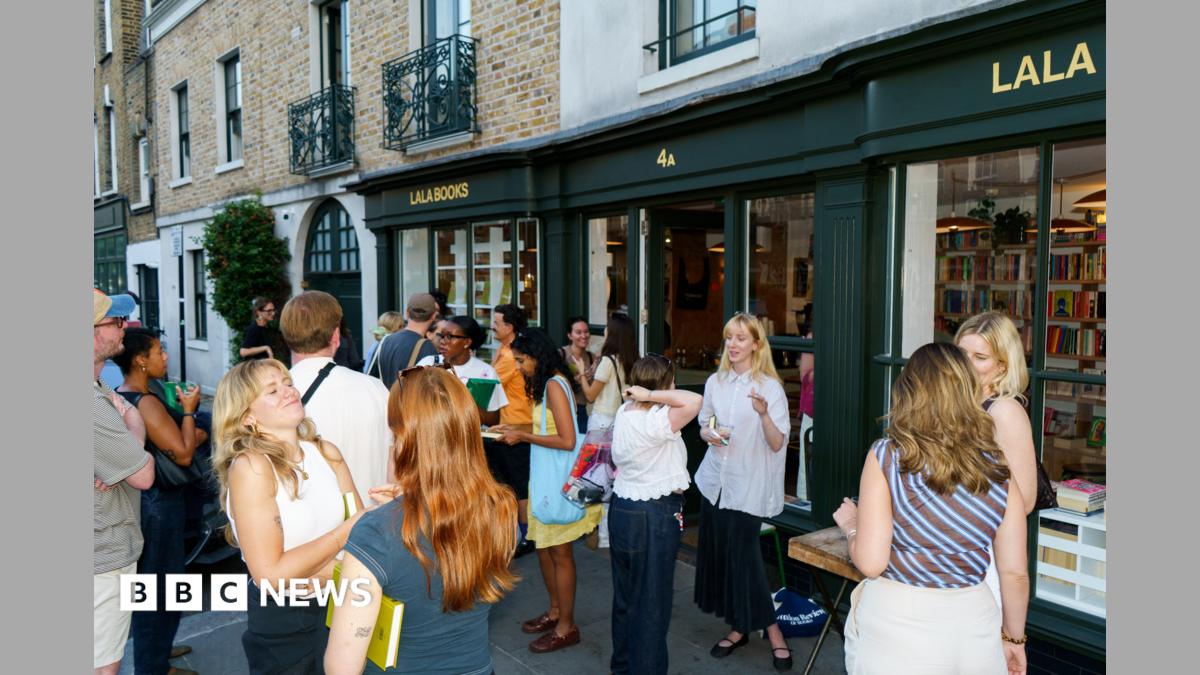
South of the river, Lala Books in Camberwell operates a similar community-funded scheme, allowing customers to claim books or magazines, either fully or partially. Owner Danielle Moylan notes its popularity among young people affected by rising rents and living costs, yet acknowledges a common reluctance among users. Many express feeling "bad" or believe they are "not poor enough" or "disadvantaged enough" to utilize the fund, despite its intended purpose for anyone needing a little extra help.
To further reduce stigma, Lala Books has innovated a discreet method: gift vouchers are pre-filled and placed in a box at the back of the shop, indistinguishable from regular vouchers. Moylan dismisses concerns about potential misuse, viewing it as an acceptable aspect of running a community fund. The scheme has demonstrated its broader community benefit, including supplying 30 books to a local primary school and fostering a reciprocal giving culture where past users return to donate.
Prof Joan Costa-i-Font
While these schemes offer tangible relief and foster community spirit, their broader economic impact is viewed with a degree of skepticism by some experts. Prof Joan Costa-i-Font, an economist at the London School of Economics, characterizes them as a "drop in the ocean." He acknowledges their value as "signals of kindness" but emphasizes that they do not address the underlying structural economic problems contributing to the cost of living crisis.
This perspective highlights a critical tension between immediate, localized acts of charity and systemic economic solutions. While a free coffee or book can significantly improve an individual's day or week, as evidenced by Paul Atherton's testimony, it does not alter the broader economic conditions that necessitate such schemes. The economist's view underscores the limitations of micro-level interventions in the face of macro-level economic challenges, suggesting that while valuable, these initiatives are symptomatic rather than curative.
Key points
- Pay-it-forward schemes in London allow people to donate money for others to claim free items like coffee or books.
- Businesses like Host Cafe and Lala Books use discreet methods, such as polymer clay hearts or gift vouchers, to reduce stigma for users.
- Users, including those experiencing homelessness, find these schemes 'life-changing' for providing comfort and a sense of belonging.
- An economist from the LSE views these initiatives as 'signals of kindness' but not solutions to structural economic problems.
- A significant challenge is that many people feel 'not poor enough' or embarrassed to use the schemes, despite their open invitation.
These pay-it-forward schemes foster a strong sense of community and provide crucial small comforts, helping individuals like Paul Atherton feel connected and supported. The discreet methods employed by businesses like Lala Books encourage wider participation and can inspire a cycle of giving, where beneficiaries later become donors.
Despite their good intentions, these schemes are considered a "drop in the ocean" by economists, failing to address the root causes of the cost of living crisis. Many potential users are hesitant due to embarrassment or feeling "not poor enough," limiting the schemes' reach and effectiveness for those who could benefit.