Now we know how much tax King Charles pays, and it is very little
King Charles's annual tax bill is £12.9m, a relatively small amount considering his vast fortune. The monarch is not liable for tax but has been paying it voluntarily since 1993.
Intelligence analysis by Llama 3.3 70B
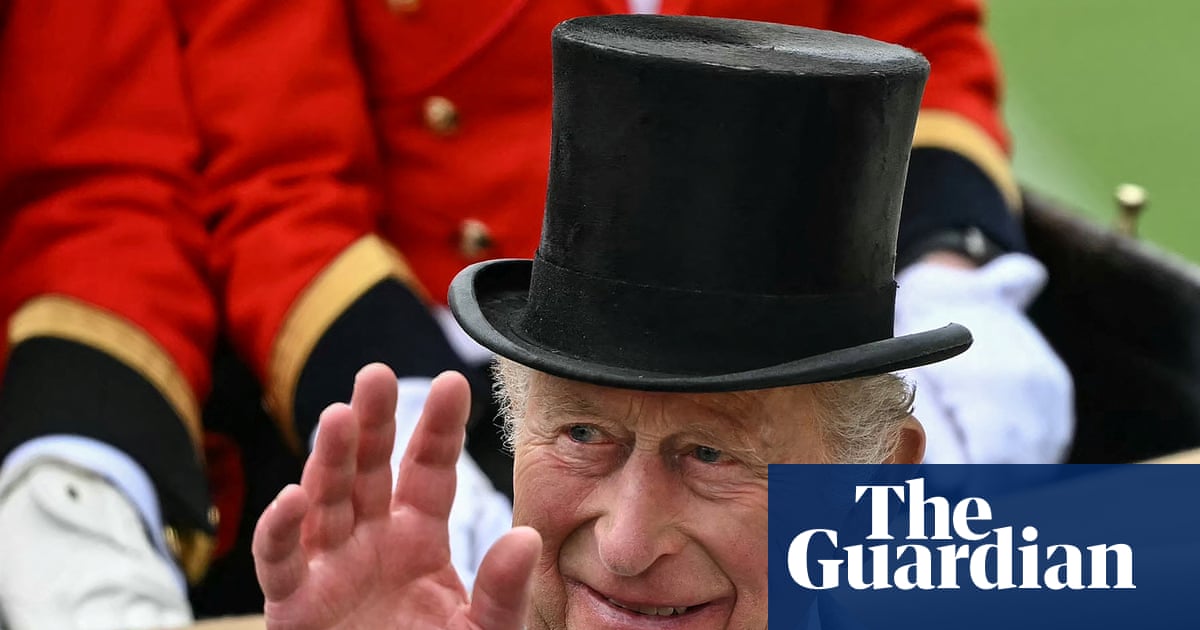
The king's tax bill is lower than expected, sparking questions about the royal family's financial dealings and tax exemptions.
King Charles has a lot of money, but he doesn't pay as much tax as you might think. This is because he has special rules that help him keep more of his money. It's like having a special box where he can put his money and not have to pay tax on it.
Analysis
The Royal Tax Exemption
The monarch is not liable for tax, but King Charles and his mother before him started paying it voluntarily in 1993. This move was seen as a gesture of goodwill and a way to increase transparency. However, the latest revelation about the king's tax bill has sparked questions about the fairness of the tax system.
The king's tax bill is relatively small, considering his vast fortune. The privy purse, which includes the Duchy of Lancaster estate and other assets, is estimated to be worth at least £1.8bn. The tax the king pays covers all of the privy purse, but the exact amount of income and expenses is not disclosed.
Comparing Tax Bills
A comparison with other taxpayers reveals that the king's tax bill is significantly lower than expected. For example, the hedge fund boss Suneil Setiya, who is estimated to be worth £1.8bn, paid £114m in annual tax. The musician Ed Sheeran, whose fortune is a fraction of the king's, paid £20m to HMRC. The author JK Rowling, worth an estimated £975m, was billed £47m on her earnings and gains.
The Privy Purse and Tax Haven
The privy purse is not liable for the kinds of taxes that might be paid by a company or a trust. The capital gains made by buying and selling property, and the rents received from tenants, can all accumulate and be reinvested tax-free, allowing the king's wealth to grow more quickly than that of his subjects. The privy purse could be described as operating like a mini-tax haven.
The palace says the king voluntarily pays capital gains on his privately held wealth, and that the accounts are externally audited each year. However, the exact amount of income and expenses is not disclosed, and the king's tax bill remains relatively small. The lack of transparency and the unique tax exemptions enjoyed by the monarch have sparked concerns about the fairness of the tax system and the royal family's financial dealings.
Key points
- King Charles's annual tax bill is £12.9m
- The monarch is not liable for tax but has been paying it voluntarily since 1993
- The privy purse is estimated to be worth at least £1.8bn
The revelation about the king's tax bill could lead to increased transparency and fairness in the tax system. It may also prompt a review of the royal family's financial dealings and tax exemptions, potentially leading to a more equitable distribution of wealth.
The lack of transparency and the unique tax exemptions enjoyed by the monarch could lead to further inequality and unfairness in the tax system. It may also damage the public's perception of the royal family and the tax system as a whole.