Oil price rises above $95 mark as Middle East conflict escalates
Brent crude breached $95 a barrel for the first time in six weeks as renewed US-Iran aggression in the Strait of Hormuz and Houthi threats in the Bab el-Mandeb disrupted global supply.
Intelligence analysis by Llama
Oil has snapped back above $95 a barrel after a six-week lull, with Brent now up more than 3% in a day. Goldman Sachs warns the market is on track for $120 by year-end unless Hormuz traffic resumes, and the IEA chief says cushioning supplies are nearly spent.
Imagine the world's oil has to travel through two narrow hallways to get to most countries, and right now bullies are blocking both hallways. Because oil is harder to move, the price everyone pays for it is going up fast, and that makes gasoline, plane tickets, and even plastic toys more expensive too.
Analysis
From $71 to $95 in Three Weeks
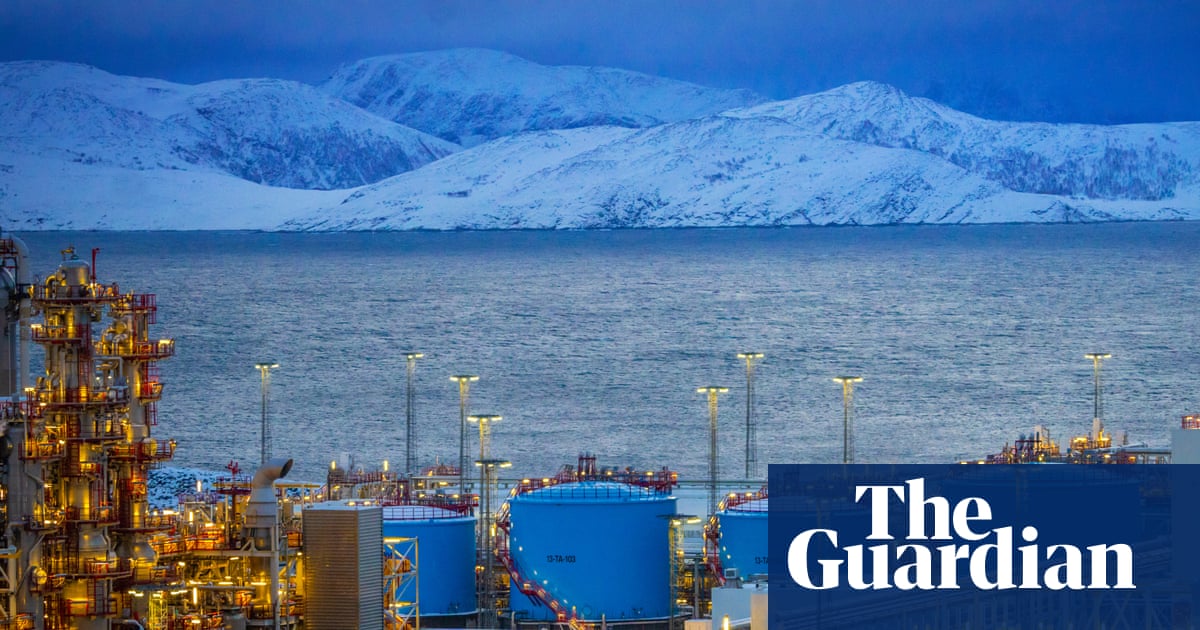
The speed of the latest oil rally is as striking as its size. Brent crude fell as low as $71 a barrel at the start of July, having eased from a conflict-driven peak of $126 in April. By Wednesday it was back above $95, up more than 3% on the day and rising at the fastest pace since March, when US-Israeli strikes on Tehran first choked Gulf exports through Hormuz. The swing implies traders have rapidly repriced the probability of a prolonged supply shock, and Goldman Sachs analysts now see a path to $120 a barrel by the end of the year if Hormuz traffic does not resume. Equinor's quarterly results illustrate the flip side: the Norwegian state oil company's profits almost doubled to $11.5bn in the three months to the end of June, capturing the windfall from the war premium.
Two Choke Points, One Market
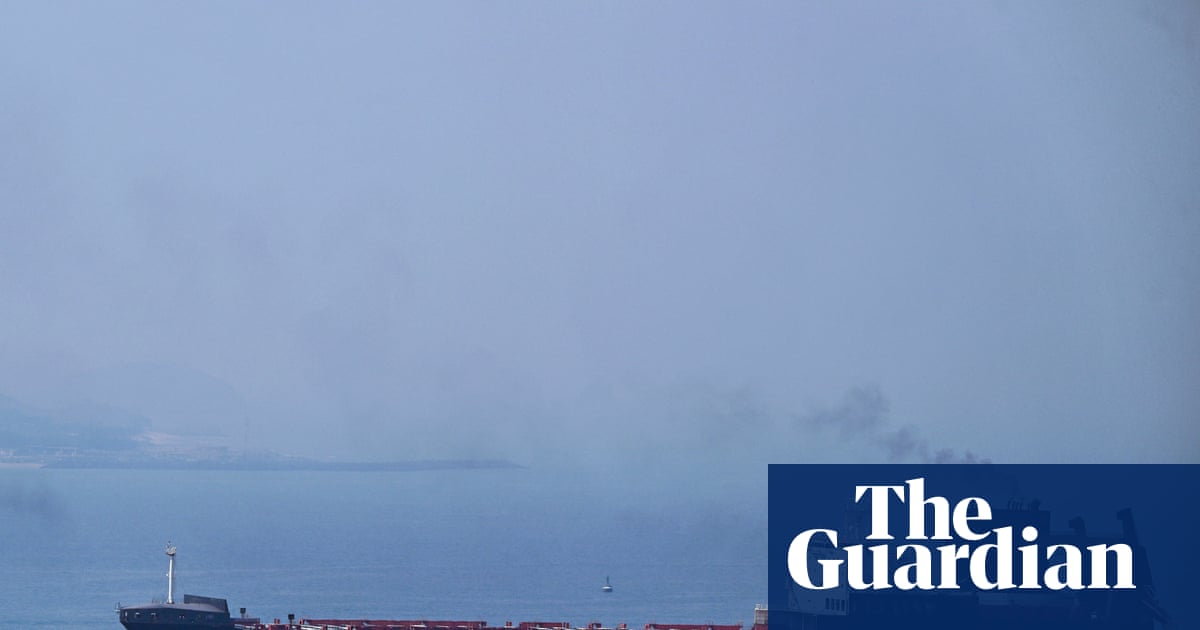
What makes this episode different from earlier flare-ups is that the disruption is no longer confined to a single waterway. The renewed US-Iran aggression in the Strait of Hormuz, now in its 11th night of strikes on Iranian aircraft hangars and drone storage sites, is being compounded by Houthi threats to target tankers carrying Saudi crude through the Bab el-Mandeb strait on the Red Sea. Together, the two chokepoints handle a large share of seaborne Gulf exports to Europe and Asia. Donald Trump has threatened to destroy a bridge or power plant for every ship Iran fires on, and Iran has retaliated by striking energy infrastructure and desalination plants in neighbouring Gulf states, attacks the UN secretary general, António Guterres, called "unacceptable" on Tuesday. With diplomacy stalled and civilian infrastructure now a battlefield, the risk premium traders are pricing in is structural rather than transient.
The Cushion Is Thinning
For months, several "cushioning factors" kept the worst-case scenarios from materialising. IEA member countries released roughly 400m barrels of emergency stockpiles, Saudi Arabia and the UAE rerouted crude through overland pipelines, and Atlantic-basin producers plus China, the world's largest importer, all adjusted flows to soften the blow. But Fatih Birol, head of the IEA, warned on Tuesday that those buffers are nearly exhausted. Refinery throughput has lagged crude deliveries, leaving diesel and gasoline markets considerably tighter than crude markets, and European gas storage refill demand before winter is already competing with reduced Gulf LNG availability. The IEA has called the conflict the greatest supply disruption in its history; if Hormuz remains contested into the fourth quarter, the cushion disappears and the Goldman $120 forecast stops being a tail risk and becomes a base case.
Key points
- Brent crude breached $95 a barrel, up more than 3% in a day, after falling to $71 at the start of July.
- Goldman Sachs analysts warn oil could reach $120 by year-end if Strait of Hormuz exports do not restart.
- IEA chief Fatih Birol says 400m barrels of emergency releases and rerouted Gulf exports have nearly run out as buffers.
- Equinor's quarterly profits almost doubled to $11.5bn as the war premium flowed through to producers.
- Houthi threats in Bab el-Mandeb compound the Hormuz disruption, putting two major Gulf export routes at risk simultaneously.
Diplomacy could still produce a ceasefire that fully reopens the Strait of Hormuz, allowing the 400m barrels of IEA emergency stocks and Saudi-UAE pipeline flows to rebuild a comfortable buffer. Goldman Sachs notes the $120 trajectory is conditional on Hormuz staying closed, so a credible de-escalation would likely pull Brent back toward the $80 range within weeks.
If strikes continue and Houthi attacks on Bab el-Mandeb shipping expand, the cushioning factors the IEA cites could be exhausted by autumn, with refinery output failing to keep pace with crude deliveries. Goldman Sachs sees $120 a barrel by year-end as a realistic scenario in that case, and attacks on Gulf desalination plants raise the prospect of a wider regional humanitarian crisis that could draw in additional military actors.
Market signals
- OIL The article reports Brent already above $95 and Goldman Sachs sees a path to $120 by year-end if Hormuz remains disrupted.
- EQNR The article reports Equinor's Q2 profits almost doubled to $11.5bn on the war-driven price surge.
- XAU Escalating US-Iran strikes and attacks on civilian infrastructure in the Gulf typically drive safe-haven demand for gold.
AI-generated analysis of potential market relevance. Not financial advice.