Oil prices fall as US pauses strikes on Iran over strait of Hormuz
Brent crude dropped 9% to below $88 a barrel after the US suspended its bombing campaign around the strait of Hormuz, easing fears of a fresh supply shock.
Intelligence analysis by Llama
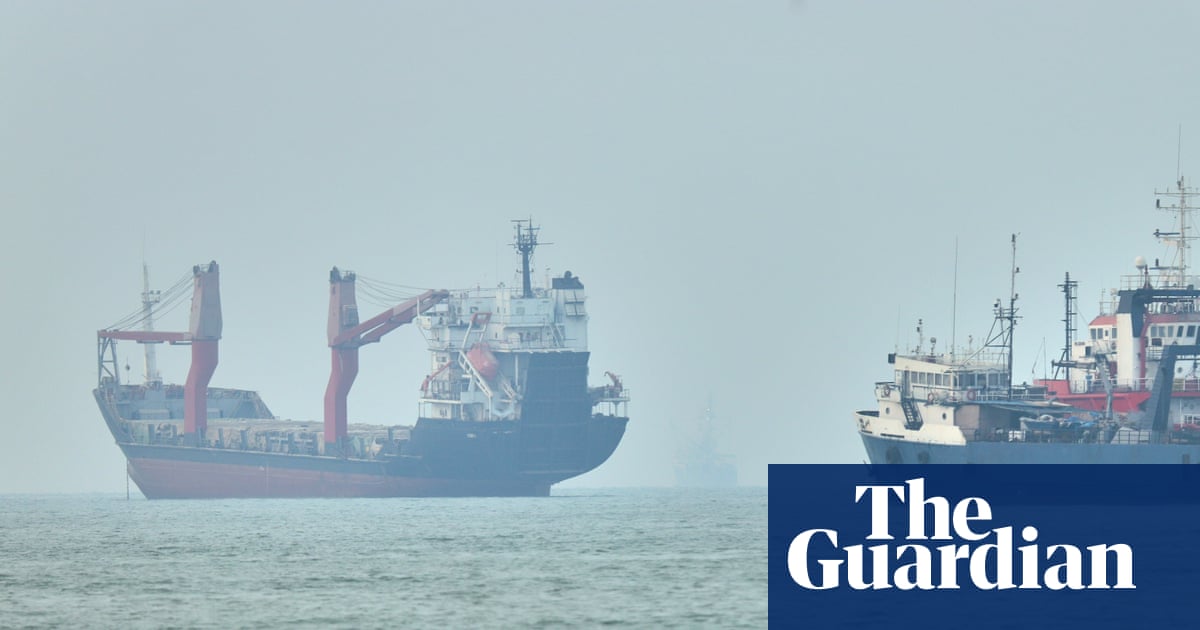
Brent crude shed 9% to below $88 a barrel after the US paused strikes on Iran following 13 days of fighting, with traders betting a de-escalation could keep Gulf oil flowing. UK gilt yields fell in response, but seasoned analysts warned the relief may prove short-lived.
Oil got cheaper because the US stopped fighting Iran for now. When countries fight near places where oil ships travel, the oil gets harder to move, like when the milk carton at school is empty. Now that the fighting paused, more oil can move freely, so the price dropped.
Analysis
Brent's $12 Retreat from $100
Brent crude shed 9% to below $88 a barrel on Monday, reversing a rally that had briefly returned the international benchmark above $100 last week when Iran-aligned Houthis attacked Saudi Arabian oil tankers in the Red Sea. The pullback came after the US ambassador to the UN, Mike Waltz, told journalists that Donald Trump had decided to pause attacks on Iran to allow more time for diplomacy. Iran said it had stopped retaliatory strikes after two nights without American missiles, and separate reports claimed that US military officials had privately warned Trump the bombing campaign had reached the limits of its effectiveness.
The pause followed 13 days of fighting that have, since the end of February, disrupted oil and gas flows from Gulf nations through the strait of Hormuz and, in recent weeks, interrupted vessels leaving the Red Sea via the Bab al-Mandab strait. The 10% climb in Brent last week had fanned fears of a prolonged inflation shock, according to analysts at Deutsche Bank led by Jim Reid, who warned the Federal Reserve might need to raise rates more aggressively in response.
Skeptics in the Trading Floors
The relief rally met with a cold reception from seasoned oil analysts. Ole Hvalbye of SEB Research pointed out that markets have been here before, noting that each rally on a leak has faded as substance failed to materialise since March. John Evans of PVM was blunter, saying he expected prices to fall meaningfully only if demand weakened, not on "questionable mini-ceasefires." Evans added that the market "seems to be forever seeking good news from an arena that really is not providing any," and stressed that a stay of military strikes does not come with any guarantee that oil will soon flow from the area.
That skepticism is grounded in the structural reality that the conflict has already physically disrupted shipping through two critical chokepoints. Even if bombing halts, the trust and logistics required to restore normal tanker traffic take time to rebuild, leaving supply routes vulnerable to renewed flare-ups at short notice.
The Bond Market's Inflation Anxiety
The oil price drop had an immediate, mechanical effect on UK sovereign debt. The yield on 10-year gilts fell below 5%, down 0.05 percentage points on the day, while the rate-sensitive two-year yield dropped 0.06 percentage points to 4.35%. Yields move inversely to prices, reflecting traders repricing the path of monetary policy now that the immediate energy-price shock has eased.
The political stakes are unusually high. Higher oil prices could harm Trump politically, with Republicans nervous about inflation's drag on voter sentiment ahead of November's midterm elections. Some Federal Reserve policymakers may feel compelled to keep raising rates to offset price increases, even though Trump has demanded lower rates to support growth, a tension that leaves the path of US monetary policy unusually exposed to events in the Gulf.
Key points
- Brent crude fell 9% to below $88 a barrel after climbing to $100 last week
- The US paused strikes on Iran after 13 days of fighting, per ambassador Mike Waltz
- Iran said it had stopped retaliatory attacks after two nights without US missiles
- UK 10-year gilt yield fell below 5%, with the two-year yield dropping to 4.35%
- Analysts at SEB, PVM and Deutsche Bank warned the reprieve may be temporary and could reignite inflation fears
If the pause holds and negotiations make progress, flows of Gulf oil and gas through the strait of Hormuz and the Red Sea could begin to normalise, easing the inflation shock that has pressured central banks. Lower energy costs would relieve pressure on the Federal Reserve to raise rates aggressively, supporting Trump ahead of the midterm elections.
Analysts at SEB and PVM warn the pattern of leak-driven rallies followed by faded optimism has repeated since March, with no guarantee that oil will flow normally. Physical disruption to two chokepoints means any renewed flare-up could quickly push Brent back above $100, reigniting the inflation shock and forcing the Fed back onto a more hawkish path.
Market signals
- OIL The article reports Brent crude fell 9% to below $88 a barrel after the US paused strikes on Iran, reversing a rally above $100.
AI-generated analysis of potential market relevance. Not financial advice.