Ozempic maker Novo Nordisk sues US rival over ‘materially misleading’ ads
Novo Nordisk sues Eli Lilly over 'materially misleading' ads for its weight-loss and anti-diabetes treatments, accusing the US company of using outdated trial data to make its products appear more effective.
Intelligence analysis by Llama
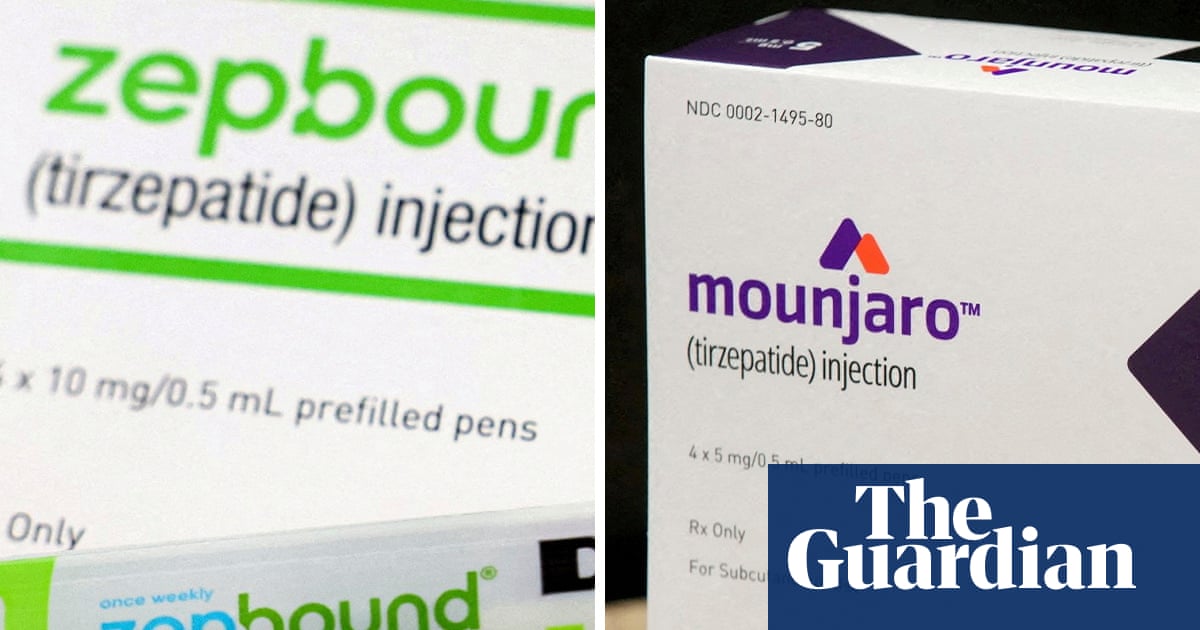
Novo Nordisk is suing Eli Lilly over 'false and materially misleading' adverts for its competing weight-loss and anti-diabetes treatments, claiming the US company intentionally selected outdated studies to make its products appear more effective.
Imagine you're trying to lose weight and you see an ad for a new medicine that says it's super effective. But what if the company making that medicine is lying about how well it works? That's what's happening in a big lawsuit between two companies, Novo Nordisk and Eli Lilly. Novo Nordisk is saying that Eli Lilly is lying about its medicine and that's not fair.
Analysis
A $60B Vote of Confidence
The pharmaceutical industry is a multi-billion dollar market, with companies like Novo Nordisk and Eli Lilly competing for market share. The development of new treatments for weight loss and type 2 diabetes has been a significant driver of growth in this market. However, the accuracy of information about these treatments is crucial for patients and healthcare professionals to make informed decisions.
Novo Nordisk's lawsuit against Eli Lilly highlights the importance of transparency and accuracy in the pharmaceutical industry. The Danish company is accusing its US rival of using outdated trial data to make its products appear more effective. This is a serious allegation, and one that could have significant implications for the industry as a whole.
The lawsuit also raises questions about the role of advertising in the pharmaceutical industry. Eli Lilly's advertising campaign for its weight-loss treatment, Zepbound, has been accused of being 'false and materially misleading'. This is a serious accusation, and one that could have significant consequences for the company.
Why Cursor?
The lawsuit against Eli Lilly is not just about the accuracy of information about its products. It is also about the role of the pharmaceutical industry in shaping public opinion and influencing healthcare policy. The industry has a significant impact on public health, and it is essential that companies like Novo Nordisk and Eli Lilly operate with transparency and integrity.
The Road Ahead
The outcome of the lawsuit against Eli Lilly will be closely watched by the pharmaceutical industry and beyond. If Novo Nordisk is successful in its lawsuit, it could have significant implications for the industry as a whole. It could also set a precedent for other companies to follow in terms of transparency and accuracy in their advertising and marketing practices.
Key points
- Novo Nordisk is suing Eli Lilly over 'false and materially misleading' adverts for its weight-loss and anti-diabetes treatments.
- Novo Nordisk is accusing Eli Lilly of using outdated trial data to make its products appear more effective.
- The lawsuit highlights the importance of accuracy and transparency in the pharmaceutical industry.
- The outcome of the lawsuit will be closely watched by the pharmaceutical industry and beyond.
If Novo Nordisk is successful in its lawsuit, it could lead to greater transparency and accuracy in the pharmaceutical industry. This could result in better health outcomes for patients and a more level playing field for companies competing in the market.
If Eli Lilly is found to have engaged in deceptive advertising practices, it could lead to a loss of trust in the pharmaceutical industry as a whole. This could have significant consequences for companies like Novo Nordisk and Eli Lilly, as well as for patients and healthcare professionals.