Panama Canal to Reduce Vessel Traffic Due to El Niño
The Panama Canal will reduce the number of ships passing through from 36 to 32 per day starting September 15 due to low rainfall caused by El Niño.
Intelligence analysis by Qwen 2.5 (3B)
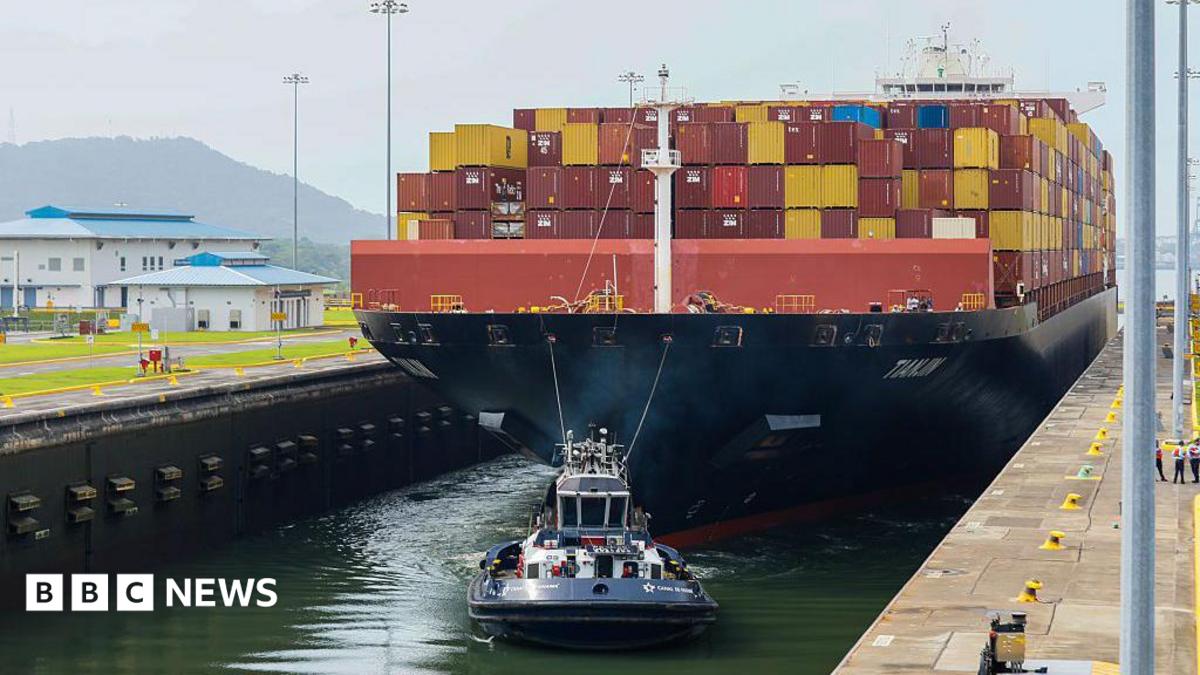
The Panama Canal, a crucial global trade route, is reducing vessel traffic in response to severe drought conditions brought on by El Niño and climate change.
The Panama Canal helps ships travel faster between oceans. But because it's dry, they can only use fewer boats through the canal starting September 15.
Analysis
{"#El_Niño_Impact":"- The Panama Canal Authority (ACP) announced a reduction in vessel traffic from 36 to 32 per day starting September 15 due to El Niño-induced drought conditions.\n- This decision comes after the canal experienced its driest October since records began in 1950, leading to water-saving measures and further reductions.","#Global_Trade_Routes":"- The Panama Canal is a vital route for global trade, connecting the Atlantic and Pacific Oceans with approximately 14,000 ships per year.\n- This reduction could lead to increased shipping costs and delays for international shipments relying on this waterway.","#Climate_Change_Impact":"- El Niño's effects are exacerbated by climate change, leading to severe disruptions in global trade routes such as the Strait of Hormuz due to Iran-related issues.\n- The ACP has already implemented measures to reduce canal water usage and is now taking additional steps to support long-term sustainability."}
Key points
- Panama Canal reducing vessel traffic from 36 to 32 per day starting September 15
- Due to El Niño-induced drought conditions
- Impact on global trade routes such as the Strait of Hormuz
- Additional measures for water conservation and future sustainability
Additional measures will be taken to ensure water resources for human consumption and support future operations.
Increased shipping costs and delays could affect businesses relying on this crucial trade route.