What is salmonella, how does it spread and are eggs safe to eat?
A salmonella outbreak linked to imported eggs has infected over 200 people in the UK, prompting public concern about food safety, though experts advise careful egg selection rather than avoidance.
Intelligence analysis by Gemini 2.5 Flash
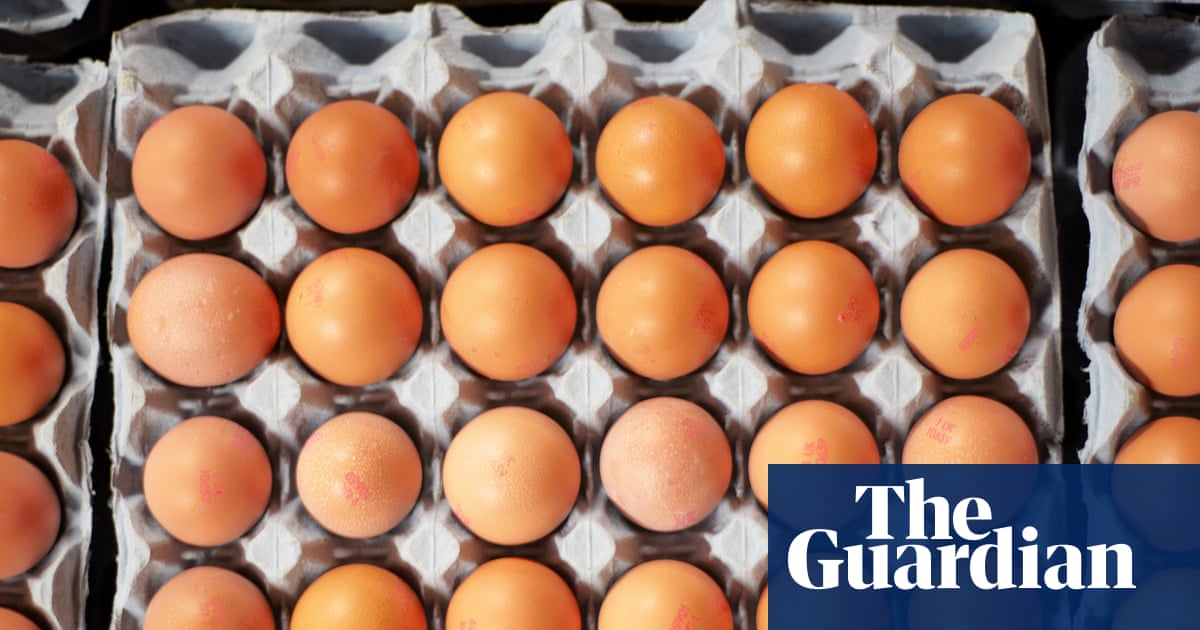
The UK Health Security Agency (UKHSA) has identified imported eggs consumed in cafes and restaurants as the source of a salmonella outbreak affecting 207 people, with one fatality. While public concern is high, health and food safety experts reassure that UK-produced eggs with the 'red lion mark' are safe, emphasizing proper cooking and hygiene.
Imagine tiny, invisible germs called salmonella that can make you feel really sick with a tummy ache, throwing up, and a fever. Sometimes these germs get into food, like eggs, especially if they come from far away and aren't handled carefully. Experts say you don't need to stop eating eggs, but it's like choosing the freshest, cleanest apples at the store – pick eggs with a special 'red lion' stamp if you're in the UK, and always cook them until they're firm, like a hard-boiled egg, to make sure any sneaky germs are gone.
Analysis
207 people
An outbreak of salmonella has led to 207 reported infections across the UK, resulting in one death and 34 hospitalizations. The UK Health Security Agency (UKHSA) has traced the source of this widespread illness to eggs that were imported into Britain and subsequently consumed in various cafes and restaurants. This incident underscores the potential public health risks associated with food products entering the national supply chain from external sources.
The scale of the outbreak has naturally generated significant public concern regarding food safety, particularly concerning a staple like eggs. While the immediate focus is on containing the spread and treating those affected, the incident also prompts a broader examination of the regulatory frameworks governing food imports and the vigilance required within the food service industry to prevent such occurrences.
Dr Malick Gibani
Dr Malick Gibani, a clinical associate professor at Imperial College London, clarifies that salmonella is not a single pathogen but a diverse group of over 2,500 bacteria, with only a few types typically causing illness in the UK. These bacteria are commonly found in contaminated animal products, including meat, dairy, and eggs, but have also been linked to other foods like chocolate and peanut butter in past outbreaks. The infection primarily causes gastroenteritis, leading to symptoms such as abdominal pain, diarrhoea, vomiting, and fever.
Gibani emphasizes that while most healthy individuals recover without specific treatment, severe cases can occur, particularly in vulnerable populations like children, older adults, and those with compromised immune systems. In rare but dangerous instances, salmonella can spread into the bloodstream, causing a severe sepsis-like illness. He notes that salmonella's 'image problem' often leads to it being dismissed as 'just food poisoning,' despite its capacity to cause thousands of deaths globally each year, especially in regions like sub-Saharan Africa.
Red Lion mark
Despite the current outbreak, experts, including Kimberly Coffin, technical director at LRQA, a global risk management firm, advise against avoiding eggs entirely. Instead, consumers are urged to make informed choices, with a strong recommendation to purchase eggs produced in the UK that bear the 'red lion mark.' This mark signifies that the eggs originate from hens vaccinated against salmonella, offering an enhanced level of safety.
Coffin also provided crucial advice on safe egg preparation and handling. She stressed the importance of cooking eggs and egg-containing dishes thoroughly until both the yolk and white are firm, or reach an internal temperature of 71C. Furthermore, consumers should avoid using cracked or broken eggs, or those with external residues, as these can facilitate the ingress of microbiological contaminants. Washing dirty eggs is also counterproductive, as it can increase the risk rather than reduce it, highlighting the need for careful selection and hygiene practices.
Key points
- A salmonella outbreak has infected 207 people in the UK, causing one death and 34 hospitalizations.
- The outbreak's source has been traced to imported eggs consumed in cafes and restaurants.
- Salmonella refers to a group of bacteria causing gastroenteritis, with symptoms including abdominal pain, diarrhoea, vomiting, and fever.
- Children, older adults, and immunocompromised individuals are most vulnerable to severe salmonella infections.
- Experts recommend buying UK-produced eggs with the 'red lion mark' and cooking eggs thoroughly to 71C to ensure safety.
The UK's robust systems for salmonella protection, including vaccination programs and stringent food standards, offer a strong defense against widespread outbreaks. Public awareness campaigns and expert advice on safe egg handling can empower consumers to mitigate risks effectively, ensuring continued confidence in the food supply.
Despite existing safeguards, the current outbreak demonstrates that no food safety regime is entirely failsafe, especially with imported goods. Continued reliance on imported food products without rigorous, consistent oversight could lead to further public health crises, impacting consumer trust and potentially the economic viability of affected businesses.