Philippines earthquake kills at least 32 people, unleashes small tsunami
A 7.8-magnitude quake off Mindanao killed at least 32 people, damaged buildings and triggered small tsunamis. Authorities lifted tsunami warnings after about five hours.
Intelligence analysis by GPT-5.4 Mini
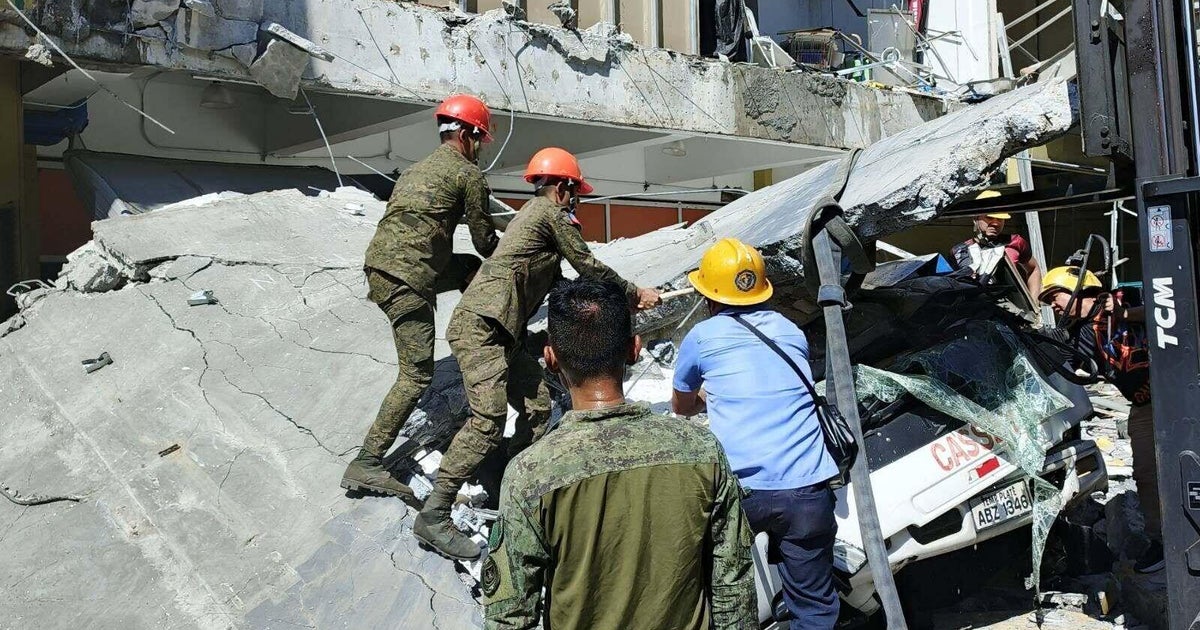
A powerful offshore earthquake in the southern Philippines caused deadly landslides, building damage and brief tsunami warnings across parts of the Pacific. Officials rushed rescue teams into affected provinces while warning residents to stay clear of damaged structures and watch for aftershocks.
A huge shake under the sea hit the Philippines like a giant truck bumping the ground. It made some houses fall down, started landslides, and pushed the ocean into small waves, so rescuers had to hurry and tell people to stay away from damaged places.
Analysis
What happened
A strong earthquake struck off Mindanao, in the southern Philippines, and officials said it became the deadliest quake in the country this year. The article says at least 32 people were killed overall, with many of the deaths tied to landslides and collapsing structures in several southern provinces.
Damage and response
The hardest-hit areas included Sarangani, South Cotabato, Davao Occidental and General Santos. In one mountain town, landslide debris hit houses and killed multiple villagers. In General Santos, small buildings collapsed or were badly damaged, including a restaurant and a provincial radio station office building. Authorities also said they were checking reports that students may have been trapped in a collapsed school.
The quake disrupted daily life beyond the immediate damage. An airport in General Santos was temporarily closed, domestic flights were canceled, and schools were ordered shut. The president directed disaster-response agencies to move quickly, while rescue teams searched damaged buildings and a warehouse.
Tsunami concern
The quake triggered small tsunamis and waves in the southern Philippines, with smaller readings also detected in Indonesia, Palau and southern Japan. Philippine officials later lifted the tsunami warning, and the Pacific Tsunami Warning Center said the main threat had largely passed after about five hours.
Why officials remained cautious
Seismologists warned people not to rush back into damaged homes because aftershocks could still cause collapse. The article says aftershocks as strong as magnitude 6.5 were recorded, which kept the risk elevated even after the initial wave threat eased.
Key points
- A 7.8-magnitude offshore earthquake in the southern Philippines killed at least 32 people.
- Many deaths were linked to landslides and collapsed buildings in several provinces, including Sarangani and South Cotabato.
- The quake triggered small tsunamis and warnings across parts of the region before officials later lifted the alert.
- General Santos saw building damage, flight cancellations and school disruptions, while rescue teams searched for missing people.
- Officials warned residents to avoid damaged structures because strong aftershocks were still being recorded.
The tsunami threat was lifted after several hours, which reduced the risk of further coastal damage. With disaster teams already on the ground, injured people and anyone trapped in damaged buildings had a better chance of being found quickly.
Aftershocks as strong as 6.5 magnitude could still bring down weakened buildings or trigger more landslides. Reports of missing students, collapsed structures and damaged roads suggest the death toll and disruption could rise as rescue crews continue searching.