Rawal Lake Loses Nearly 50% of Trees in 2 Decades
Satellite imagery reveals Rawal Lake park has lost 50% of its tree cover in two decades, alongside severe water pollution from sewage and hazardous waste, driven by unplanned urban expansion and commercialization.
Intelligence analysis by Gemini 2.5 Flash
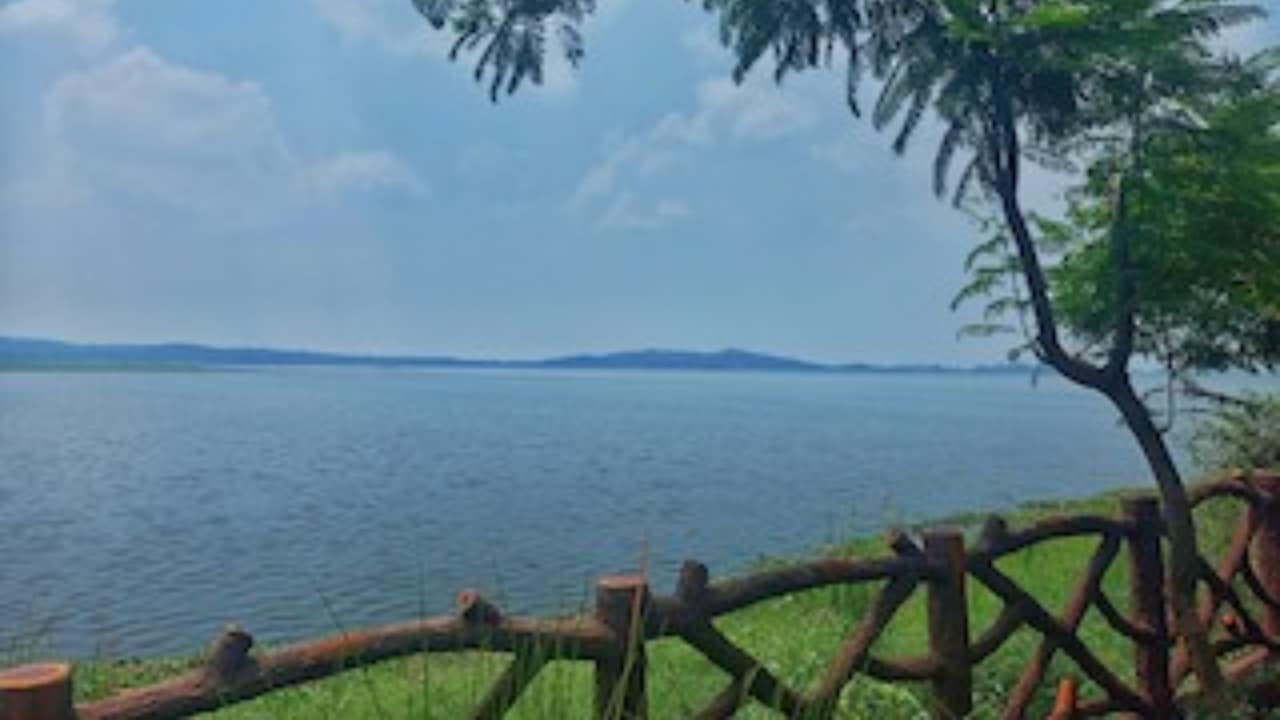
Rawal Lake, a vital natural asset in Islamabad, is facing a severe environmental crisis. Satellite images from Suparco show a drastic reduction in tree cover and a visible change in water quality, while the Pakistan Environmental Protection Agency (Pak-EPA) discovered hazardous waste along its shores, highlighting the ecological cost of unchecked development and commercial activities.
Imagine your favorite park, where you play and see lots of green trees and clean water. Now imagine that over 20 years, half of those trees are gone, and the water in the lake turns dark and dirty because of trash and yucky stuff flowing into it. That's what's happening at Rawal Lake in Pakistan, making it a sad and unhealthy place for animals and people.
Analysis
The Stark Environmental Decline
Satellite imagery released by the Pakistan Space and Upper Atmosphere Research Commission (Suparco) paints a grim picture of Rawal Lake's environmental degradation over the past two decades. Comparing images from 2004 and 2024, the data reveals a staggering 50 percent loss of tree cover around the Lake View Point area. This dramatic reduction in greenery is directly attributed to extensive human activity and unplanned urban expansion in Islamabad, transforming a once densely vegetated landscape into one marked by significant development.
Beyond the visible deforestation, the lake's water quality has also deteriorated markedly. The satellite images show a shift from a greenish hue in 2004 to a noticeably darker, blackish shade by 2024. Environmentalists suggest this change could be linked to increased algae growth, but more critically, they point to the substantial volumes of untreated sewage flowing into Rawal Dam from upstream areas and surrounding settlements as a primary contributing factor. This dual assault on both the terrestrial and aquatic ecosystems highlights a systemic failure in environmental protection and urban management.
Pollution and Unchecked Commercialization
The extent of the pollution was further underscored by a troubling discovery made by the Pakistan Environmental Protection Agency (Pak-EPA) during a cleanup drive. Teams found hazardous materials, including discarded syringes, hospital waste, and large quantities of plastic items, along the shores of Rawal Lake. Dr. Zaigham Abbas, Director of Pak-EPA, confirmed the undeniable entry of pollution into the lake, emphasizing the severe threat to its ecosystem and the health of surrounding flora and fauna.
This environmental crisis is exacerbated by two decades of unchecked commercialization around Lake View Park. The area has seen the establishment of numerous recreational facilities, including barbecue points, karting tracks, a golf club, horse riding facilities, a food street, and multiple parking spaces. While these developments cater to public recreation, they have come at a significant environmental cost, contributing to the tree cover loss and increased human footprint that strains the lake's natural capacity. A senior official in the Ministry of Climate Change aptly described the situation as not merely a planning failure but a "violation of ecological justice and fundamental rights."
Broader Implications and Mitigation Efforts
The data from Global Forest Watch (GFW), an initiative of the World Resources Institute (WRI), corroborates the local findings, indicating that Islamabad lost 14 hectares of tree cover between 2001 and 2025. This loss, amounting to 0.46 percent of the tree cover recorded in 2000, resulted in 6.0 kilotonnes of carbon emissions. GFW data further specifies that 77 percent of this tree cover loss was due to deforestation, with settlements and infrastructure accounting for 4 hectares and permanent agriculture for another 4 hectares, clearly linking the destruction to human development.
Despite the alarming statistics and visible degradation, there appears to be a lack of immediate accountability from key civic bodies. The spokesperson for the Capital Development Authority (CDA) and its Director General Environment did not respond to requests for comment, suggesting a potential gap in oversight or willingness to address the issue. However, Pak-EPA is planning a significant reforestation effort, aiming to plant 500,000 seed balls across the capital, including areas surrounding Rawal Lake, as one of the largest drives of the monsoon season. While a positive step, the scale of the problem demands a more comprehensive and coordinated approach to reverse the ecological damage and ensure the long-term health of Rawal Lake.
Key points
- Rawal Lake park has lost nearly 50% of its tree cover over the last two decades due to unplanned urban expansion.
- Satellite imagery shows the lake's water color has changed from greenish to a darker, blackish shade, linked to sewage and algae growth.
- Pak-EPA found hazardous materials, including syringes and hospital waste, along the lake's shores, indicating severe pollution.
- Extensive commercialization and recreational facilities have been developed around Lake View Park over the past 20 years.
- Global Forest Watch data confirms Islamabad lost 14 hectares of tree cover, primarily due to deforestation for settlements and agriculture.
The Pakistan Environmental Protection Agency (Pak-EPA) is planning a large-scale initiative to plant 500,000 seed balls around Rawal Lake and other areas. This reforestation effort, if successfully implemented and sustained, could help restore some of the lost tree cover and improve the local ecosystem over time.
The continued unchecked commercialization, persistent flow of sewage, and discovery of hazardous waste suggest that the environmental degradation of Rawal Lake may worsen. Without stronger enforcement and accountability from authorities like the CDA, the lake's ecosystem and public health could face irreversible damage.