Transporters announce fare hike after petrol, diesel price increase
Transporters in Pakistan have announced significant fare increases for both goods and mini-Mazda services following the federal government's decision to raise petrol and high-speed diesel prices.
Intelligence analysis by Gemini 2.5 Flash
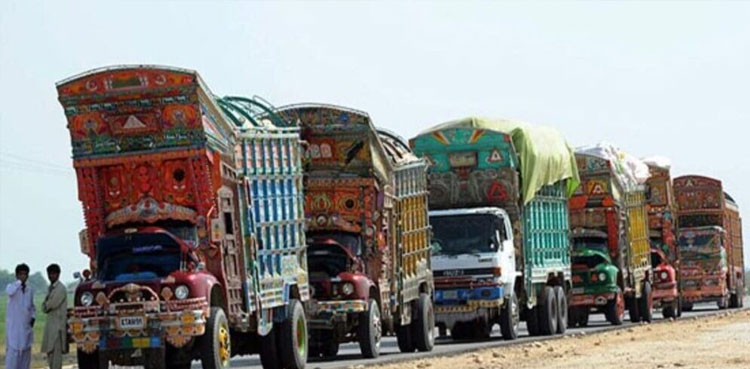
The Pakistan Goods Transport Alliance declared a 15% hike in goods transport fares, while the Pakistan Mini Mazda Goods Transport Association announced a 10% increase, both citing soaring fuel costs. Transporters are demanding the withdrawal of various taxes and charges, warning that rising operational costs are forcing many to park their vehicles, which is expected to exacerbate infl…
Imagine if the special fuel that buses and trucks use to move things around got much more expensive. Now, the people who drive those buses and trucks have to charge more money to carry people or deliver goods, just like when you buy a toy, the shop has to pay for it first. This means everything you buy, from food to clothes, might get a little more expensive because it costs more to bring them to the shops. It's like a domino effect, where one price change makes many other prices go up too.
Analysis
The recent decision by transporters to increase fares across Pakistan underscores the immediate and widespread impact of rising fuel prices on the nation's economy. The federal government's move to hike petrol by Rs5.44 per litre to Rs316.15 and high-speed diesel by a substantial Rs31.05 per litre to Rs354.35 has triggered a chain reaction, with the transport sector being the first to pass on these increased costs. This is not merely an operational adjustment for transporters; it represents a significant inflationary pressure point that will ripple through the entire supply chain, affecting everything from food prices to manufacturing costs.
The Immediate Economic Fallout
The Pakistan Goods Transport Alliance's 15% fare increase and the Pakistan Mini Mazda Goods Transport Association's 10% hike are direct responses to the elevated fuel expenses. Alliance President Malik Shehzad Awan highlighted the severe financial pressure on transporters, demanding the withdrawal of toll and withholding taxes, and the removal of additional charges and fines. His warning that many transporters are being forced to park their vehicles due to unsustainable operational costs points to a potential disruption in logistics and supply, which could lead to shortages and further price escalations for essential commodities. This situation exacerbates the existing economic fragility, making it harder for average citizens to afford daily necessities.
Government's New Pricing Mechanism
The fuel price adjustments are part of a new mechanism announced by the government, where petroleum prices will be adjusted daily by the Oil and Gas Regulatory Authority (OGRA) in line with international oil price fluctuations. While this mechanism aims for transparency and responsiveness to global markets, its immediate effect has been a sharp increase in domestic prices. This policy, intended to reflect market realities, is currently contributing to domestic inflation, as noted by Haji Sher Ali Chaudhry of the Mini Mazda Goods Transport Association. The challenge for the government lies in balancing market-based pricing with the need to protect consumers and industries from excessive cost burdens, especially in a developing economy like Pakistan.
Broader Societal and Business Implications
The fare hikes will inevitably lead to higher costs for consumers, as businesses will pass on increased transportation expenses. This will further erode purchasing power and could lead to a decline in demand for non-essential goods, impacting various sectors of the economy. For businesses, particularly those reliant on extensive supply chains, the increased operational costs could squeeze profit margins, potentially leading to reduced investment, slower growth, or even business closures. The transport sector's demands for tax relief underscore the need for a comprehensive government strategy that addresses not only fuel prices but also the broader regulatory and fiscal environment affecting key industries.
Key points
- Transporters in Pakistan have announced fare increases following a significant hike in petrol and high-speed diesel prices.
- The Pakistan Goods Transport Alliance increased fares by 15%, while the Mini Mazda Goods Transport Association raised them by 10%.
- Transporters are demanding the withdrawal of toll and withholding taxes, citing severe financial pressure and rising operational costs.
- The federal government increased petrol by Rs5.44/litre to Rs316.15 and high-speed diesel by Rs31.05/litre to Rs354.35.
- The price adjustments are part of a new daily mechanism by OGRA, linking domestic fuel prices to international fluctuations.
The announced fare hikes are likely to trigger a new wave of inflation, making essential goods and services more expensive for the average Pakistani. This could further reduce consumer purchasing power, slow economic activity, and potentially lead to more transporters parking their vehicles, exacerbating supply chain issues.
Market signals
- KSE100 Increased transport costs and inflation are likely to negatively impact corporate profitability and consumer spending, potentially leading to a downturn in the broader stock market.
AI-generated analysis of potential market relevance. Not financial advice.