Research Centre for East European Studies: University of Bremen sees intimidation attempt by Russian judiciary
The University of Bremen has condemned Russia's designation of its Research Centre for East European Studies (FSO) as an undesirable organization, calling it an attempt to intimidate scholars. The move bars the FSO and its members from any research activity in Russia.
Intelligence analysis by Llama
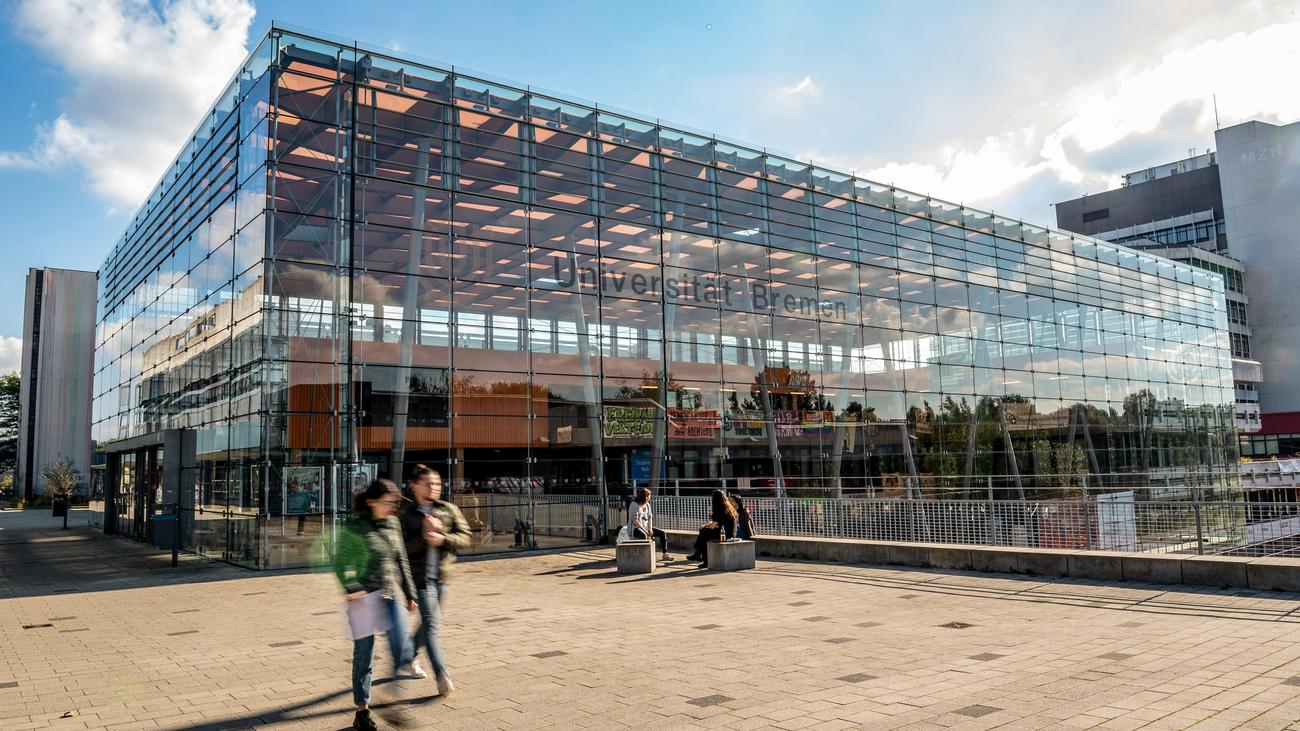
Russia's justice ministry has added Bremen's Research Centre for East European Studies to its list of undesirable foreign organizations, prohibiting all research activity inside Russia and any cooperation with Russian institutions. The university's rector frames it as a 'double sanctioning,' since the FSO's parent body was already branded extremist in 2024.
Russia told a research centre in Bremen, Germany, that it isn't allowed to do any work inside Russia anymore, and Russian groups can't work with it either. The university says Russia is just trying to scare its scientists, and the people who run the centre were already in trouble with Russia for other reasons.
Analysis
Jutta Günther's 'double sanctioning' warning
The University of Bremen's rector, Jutta Günther, has publicly characterised the Russian justice ministry's listing of the Forschungsstelle Osteuropa (FSO) as a further expression of what she called Russia's hostility toward science. Her framing of a "double sanctioning" is the substantive core of the university's response: the FSO is not only newly declared an undesirable organisation, but it is also a branch of the Deutsche Gesellschaft für Osteuropakunde (DGO), which Russia placed on its list of extremist organisations back in 2024. Günther's pointed language is intended to pre-empt any reading of the move as routine bureaucracy, casting it instead as part of a broader pattern of pressure on independent academic voices.
The 2024 extremist designation of the DGO
The reference to the 2024 designation of the Deutsche Gesellschaft für Osteuropakunde as an extremist organisation matters because it raises the legal stakes for anyone connected to the FSO. Under Russian law, association with an entity branded extremist can carry penalties that go well beyond a simple ban on cooperation. The university's statement explicitly flags that the extremist label could entail far-reaching criminal consequences, which is why it draws a sharp line between this older step and the new one. The juxtaposition also explains why Bremen's leadership felt compelled to publish a formal statement rather than treat the listing as a procedural matter.
The expanding list of German institutions
The FSO is no longer an isolated case. According to the article, the Russian justice ministry has steadily added foreign institutions to its prohibition list without offering specific justifications, and several German organisations already appear on it, including the German Historical Institute, which operated in Moscow for many years, the German Academic Exchange Service (DAAD), and a number of political foundations. The cumulative effect is that independent German academic and civil-society infrastructure is being progressively walled off from Russia, with researchers on Russia, Belarus, and the post-Soviet region losing institutional access just as the war in Ukraine has made their work more urgent. The FSO, which publishes free country analyses for journalists and policymakers, sits squarely in that exposed category.
Key points
- Russia's justice ministry has added the Research Centre for East European Studies (FSO) at the University of Bremen to its list of undesirable foreign organisations.
- University rector Jutta Günther described the move as a 'double sanctioning,' since the FSO's parent body, the Deutsche Gesellschaft für Osteuropakunde, was declared extremist by Russia in 2024.
- The designation bars the FSO and its members from conducting research in Russia and prohibits cooperation with Russian institutions.
- Several other German organisations, including the German Historical Institute and the DAAD, are already on Russia's prohibition list.
- The FSO publishes free country analyses covering Russia, Belarus, and the post-Soviet region, including work on Russia's war against Ukraine.
The 'double sanctioning' flagged by Rector Günther could expose FSO staff and collaborators to criminal liability under Russian law, including for any incidental contact with Russian institutions. The pattern of additions to Moscow's list also suggests that remaining channels for empirical Russia research from Germany will continue to close, leaving analysts reliant on open-source material at a time when detailed on-the-ground expertise is most needed.