Rise in Death Toll of Migrants Crossing to Spanish Enclave of Ceuta to 77
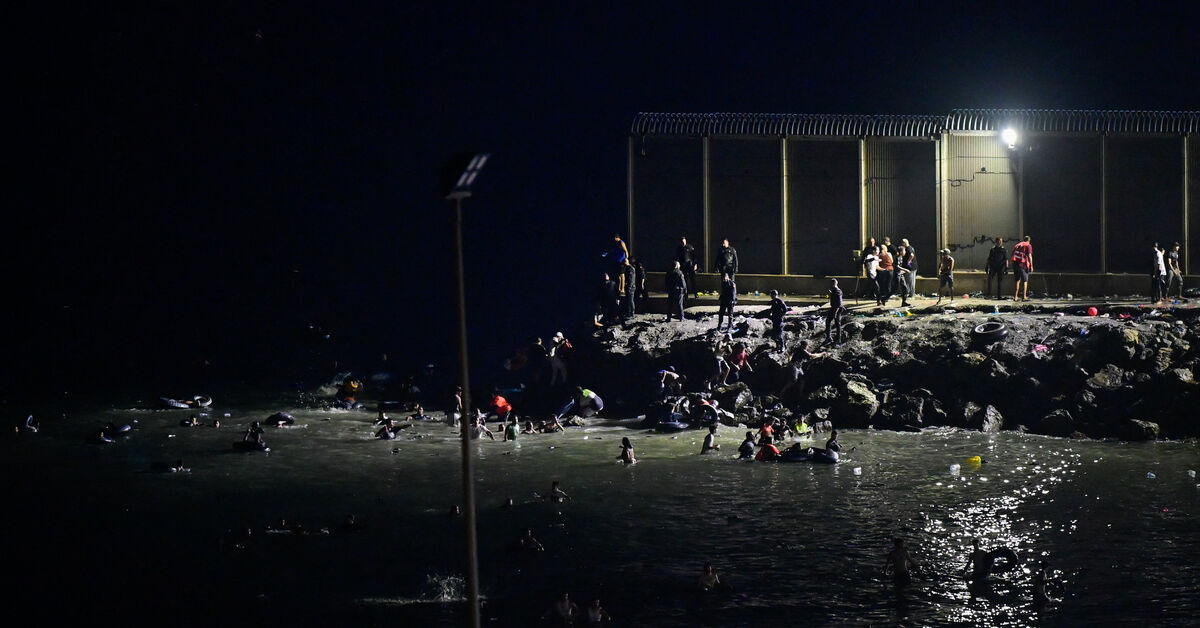
The death toll of migrants attempting to cross into the Spanish enclave of Ceuta in North Africa has risen to 77, according to Spanish authorities. The migrants have been attempting to cross the Mediterranean Sea in a bid to reach Europe, with many drowning in the process.
Intelligence analysis by Llama
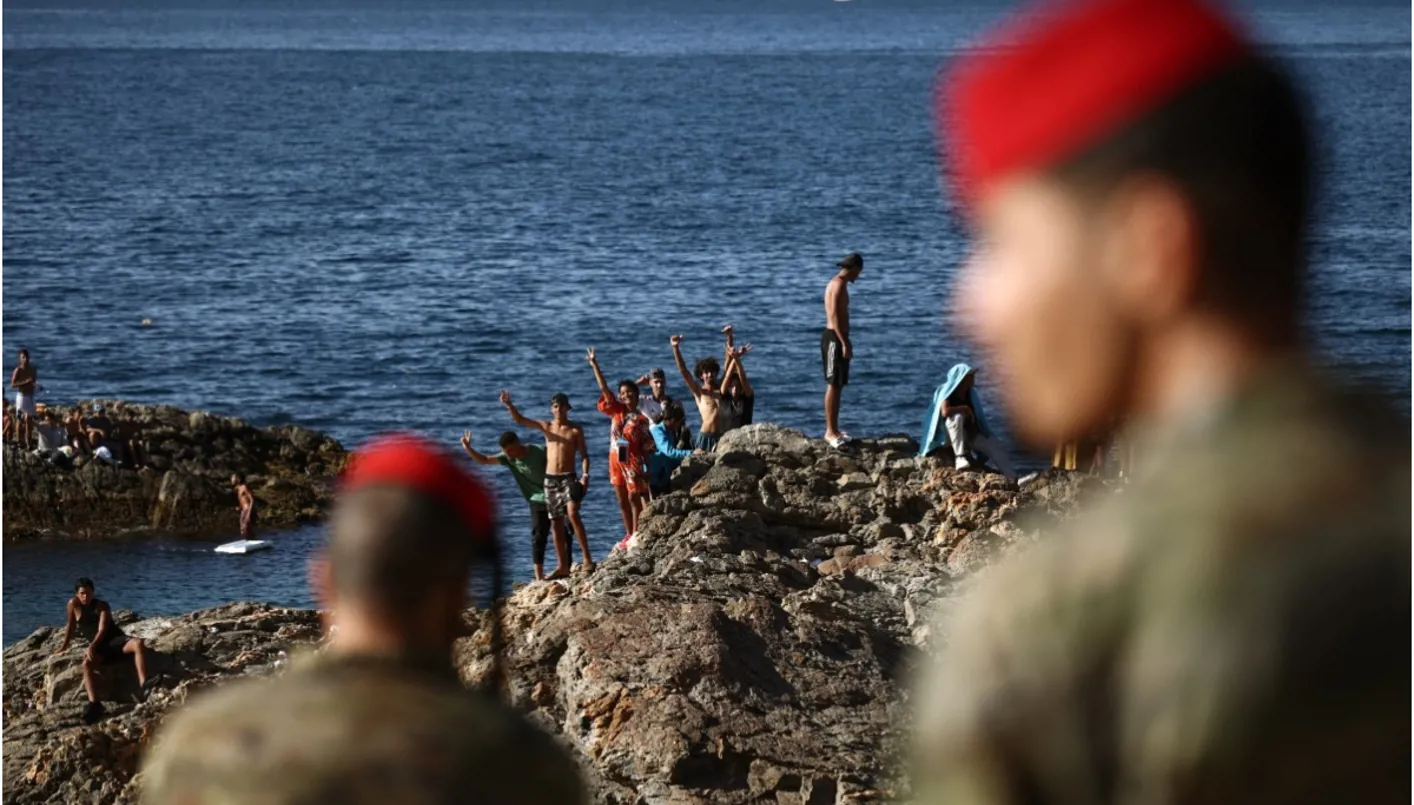
The death toll of migrants attempting to cross into the Spanish enclave of Ceuta has risen to 77, with many drowning in the Mediterranean Sea. Spanish authorities have reported that 70,000 migrants have been returned to Morocco, while those remaining in Ceuta face difficult living conditions.
Imagine you're trying to cross a big river, but the water is too deep and you can't swim. That's what's happening to many people trying to get to Europe from Africa. They're trying to cross the Mediterranean Sea, but it's very dangerous and many people are dying. The Spanish government is trying to help by sending people back to Morocco, but it's not enough. We need to find a better way to help these people and make sure they're safe.
Analysis
A Humanitarian Crisis Unfolds in Ceuta
The death toll of migrants attempting to cross into the Spanish enclave of Ceuta has risen to 77, according to Spanish authorities. This tragic event has sparked a humanitarian crisis, with many migrants facing difficult living conditions and a lack of access to basic necessities such as food, water, and sanitation. The situation has also sparked diplomatic tensions between Spain and other European countries, with many calling for greater action to be taken to address the crisis.
The Root Causes of the Crisis
The root causes of the crisis in Ceuta are complex and multifaceted. On one hand, the migrants are fleeing war, persecution, and poverty in their home countries, seeking a better life in Europe. On the other hand, the European Union's policies on migration and asylum have been criticized for being too restrictive, leading to a backlog of applications and a lack of access to basic services for those who do make it to Europe.
The Need for a Comprehensive Solution
To address the crisis in Ceuta, a comprehensive solution is needed. This would involve a combination of short-term and long-term measures, including increased funding for humanitarian aid, improved access to basic services such as healthcare and education, and a more streamlined and efficient asylum process. It would also require a more nuanced and compassionate approach to migration and asylum, one that takes into account the complex and often desperate circumstances of those seeking to flee their home countries.
The Role of the International Community
The international community has a critical role to play in addressing the crisis in Ceuta. This would involve providing humanitarian aid and support to those affected, as well as working with governments and international organizations to develop and implement more effective and compassionate policies on migration and asylum. It would also require a more coordinated and collaborative approach, one that brings together governments, international organizations, and civil society to address the root causes of the crisis and develop a comprehensive solution.
Key points
- The death toll of migrants attempting to cross into Ceuta has risen to 77.
- Many migrants are facing difficult living conditions and a lack of access to basic necessities such as food, water, and sanitation.
- The situation has sparked diplomatic tensions between Spain and other European countries.
- A comprehensive solution is needed to address the crisis in Ceuta, including increased funding for humanitarian aid and improved access to basic services.
- The international community has a critical role to play in addressing the crisis in Ceuta.
If the international community comes together to develop and implement more effective and compassionate policies on migration and asylum, it's possible that the number of deaths at sea could decrease. Additionally, if more funding is provided for humanitarian aid and support, it could help to alleviate the suffering of those affected by the crisis.
If the current policies and practices continue, it's likely that the number of deaths at sea will continue to rise. Additionally, the lack of access to basic services and the backlog of asylum applications could lead to further suffering and hardship for those affected by the crisis.