SEC’s Peirce Warns Onchain Lending May Trigger Securities Laws
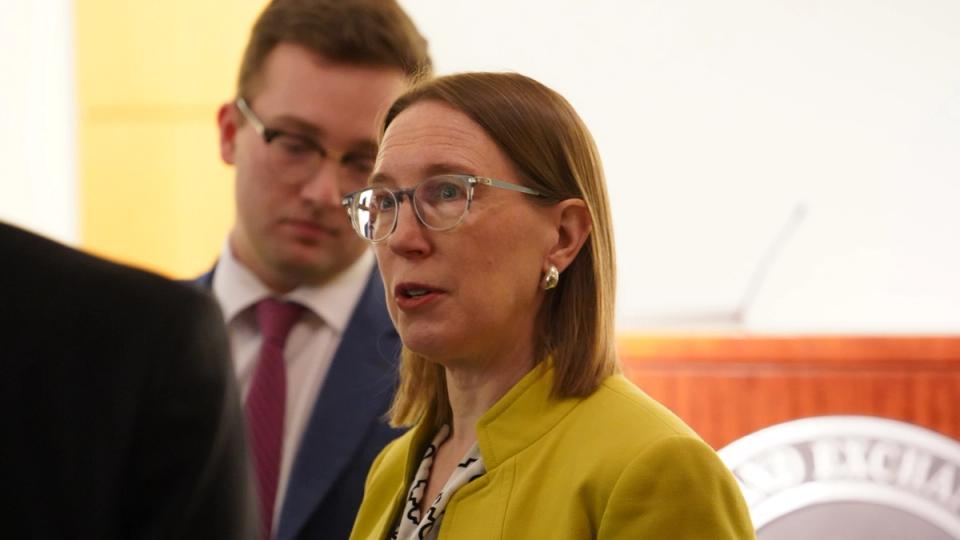
SEC Commissioner Hester Peirce said crypto vaults and onchain lending products may fall under US securities laws, urging developers to assess whether products that actively manage user assets require regulatory compliance.
Intelligence analysis by Llama
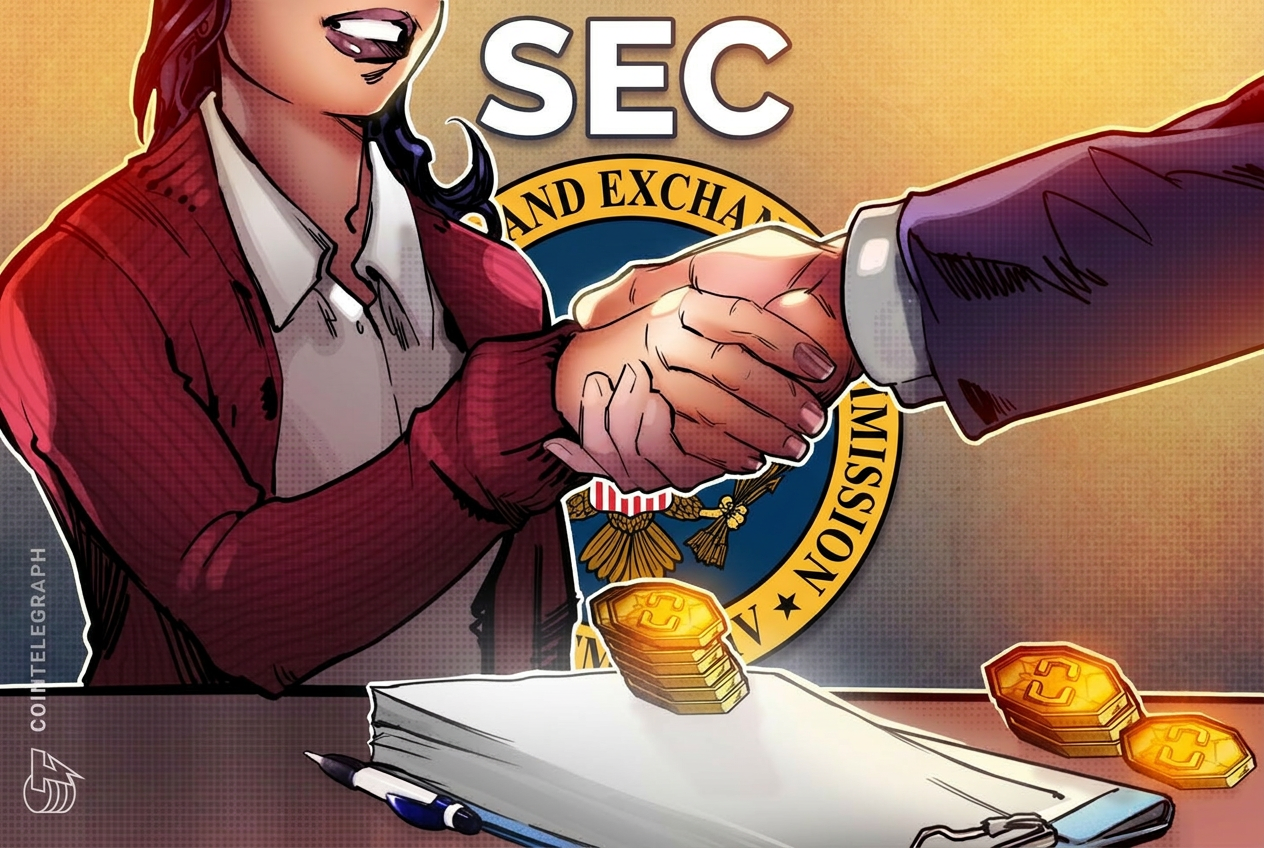
SEC Commissioner Hester Peirce warned that crypto vaults and onchain lending products may fall under US securities laws, urging developers to assess whether products that actively manage user assets require regulatory compliance. She said some vaults could be treated as securities offerings or investment companies, while parties managing vault allocations or lending parameters could a…
Imagine you have a special kind of savings account that lets you lend your money to others. This is called onchain lending. But, the government is worried that this kind of account might be breaking some rules. If it is, the people who run these accounts might have to follow some new rules to make sure everything is fair and safe.
Analysis
A Warning Shot Across the Bow of Onchain Finance
SEC Commissioner Hester Peirce recently issued a warning to the crypto industry, stating that crypto vaults and onchain lending products may fall under US securities laws. This warning has significant implications for the industry, as it may require developers to register with the SEC or qualify for exemptions while complying with disclosure and other regulatory requirements.
Peirce's warning is not a surprise, given the growing popularity of onchain lending and yield generation products. These products have been touted as a way for users to earn passive income through decentralized finance (DeFi) strategies. However, Peirce's warning highlights the risks associated with these products, particularly when it comes to regulatory compliance.
The Risks of Onchain Lending
Onchain lending products involve users lending their assets to other users, often through decentralized protocols. While these products can provide users with a way to earn passive income, they also come with significant risks. For example, users may be exposed to technical risks, such as smart contract exploits, which can result in significant losses.
The SEC's Role in Regulating Onchain Finance
The SEC has been actively monitoring the growth of onchain finance, and Peirce's warning is a clear indication of the agency's willingness to regulate the industry. The SEC has the power to require developers to register with the agency or qualify for exemptions, which can be a complex and time-consuming process.
The Future of Onchain Finance
The warning from SEC Commissioner Hester Peirce has significant implications for the future of onchain finance. While the industry has grown rapidly in recent years, it is clear that regulatory compliance is a major concern. Developers and users must be aware of the risks associated with onchain lending and yield generation products and take steps to mitigate them. This may involve registering with the SEC or qualifying for exemptions, as well as complying with disclosure and other regulatory requirements.
Key points
- SEC Commissioner Hester Peirce warned that crypto vaults and onchain lending products may fall under US securities laws.
- Developers may be required to register with the SEC or qualify for exemptions while complying with disclosure and other regulatory requirements.
- The warning highlights the risks associated with onchain lending and yield generation products, particularly when it comes to regulatory compliance.
- The SEC has the power to require developers to register with the agency or qualify for exemptions, which can be a complex and time-consuming process.
If the SEC's warning leads to more transparency and regulation in the onchain lending industry, it could help prevent technical risks and ensure that users' assets are protected. This could lead to a more stable and secure onchain finance ecosystem.
If the SEC's warning leads to overly restrictive regulations, it could stifle innovation in the onchain lending industry and make it harder for users to access these products. This could lead to a decline in the use of onchain lending and yield generation products.