September 28 Massacre in Guinea: Colonel Acquitted, Six Accused Still Pursued
A Conakry court acquitted a gendarmerie colonel accused of murder and rape in the 2009 September 28 massacre, while six other individuals remain accused in the ongoing second trial.
Intelligence analysis by Gemini 2.5 Flash
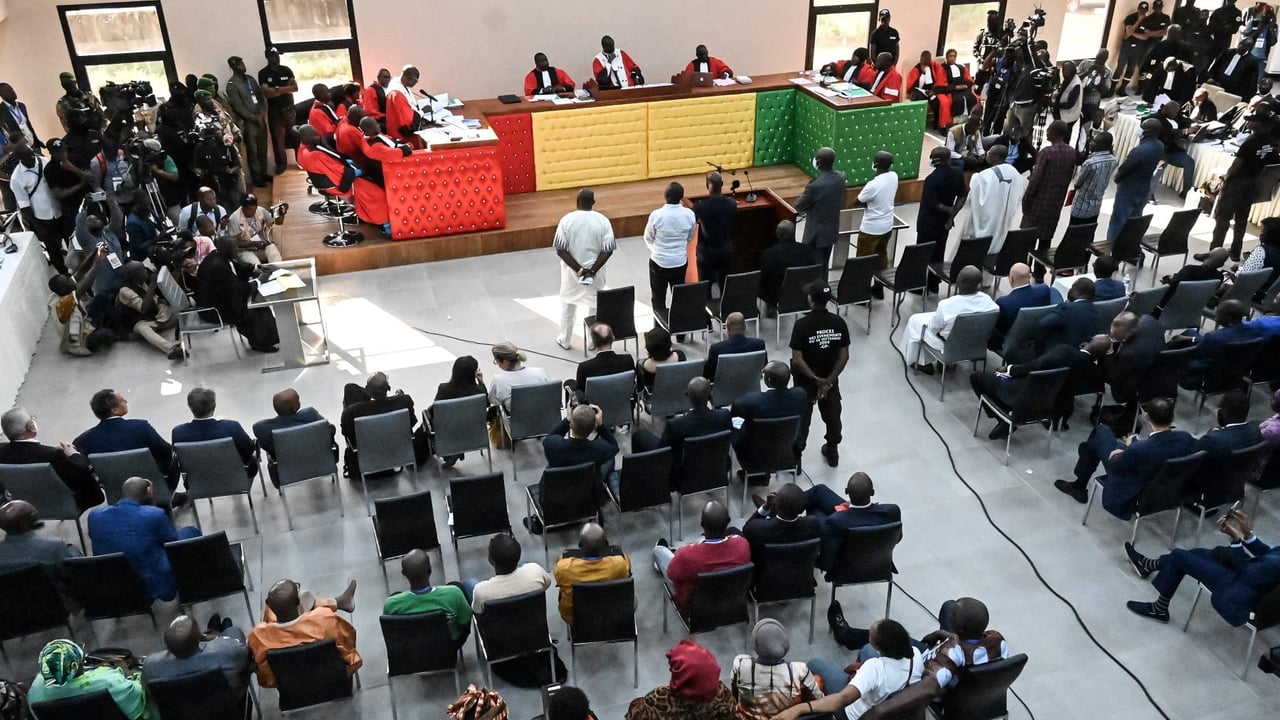
Colonel Bienvenu Lamah, incarcerated since November 2022, was acquitted in the second trial related to the brutal 2009 massacre in Guinea, a decision that victims' civil parties plan to appeal. This development follows a historic first trial that saw former dictator Dadis Camara convicted and later pardoned.
Imagine a big, sad event happened a long time ago where many people were hurt. Now, grown-ups are trying to figure out who was responsible in court. One man, a colonel, who was accused of being involved, has just been told he's free and didn't do it, even though others are still being looked at. The families of the people who were hurt are upset and want the court to look again.
Analysis
The Lingering Shadow of the 2009 Massacre
The September 28, 2009 massacre remains one of the darkest chapters in Guinea's contemporary history. On that day, at least 156 people were brutally killed by gunfire, knives, machetes, or bayonets during the repression of an opposition rally in a Conakry stadium and its surroundings. Hundreds more were injured, and a UN-mandated international inquiry commission reported that at least 109 women were raped, with others held captive for weeks as sexual slaves. The atrocities continued for several days, involving the torture of detainees, painting a grim picture of state-sponsored violence against its own citizens.
Two Trials, Divergent Outcomes
Guinea has undertaken two significant legal processes to address these crimes. The first, a landmark trial lasting nearly two years, concluded with the conviction of former dictator Dadis Camara, who received a twenty-year prison sentence for crimes against humanity. However, Camara was controversially pardoned in late March 2025 by the current junta leader, General Mamadi Doumbouya, a move that drew criticism regarding the commitment to justice. The second trial, which began in January, focuses on a new group of seven accused. In this second proceeding, Colonel Bienvenu Lamah, who had been incarcerated since mid-November 2022, was acquitted of charges including alleged complicity in abuse of authority, assassinations, kidnappings, and arbitrary detentions. The court ordered his immediate release, despite the prosecution having sought a ten-year sentence.
Implications for Justice and Accountability
The acquittal of Colonel Lamah in the second trial has significant implications for the victims and the broader pursuit of justice in Guinea. While the defense argued his lack of responsibility, the civil parties' lawyers have promptly announced their intention to appeal the judgment, underscoring the deep dissatisfaction and ongoing demand for accountability from those affected by the massacre. The fact that three of the seven accused in this second trial remain at large further complicates the path to comprehensive justice. This outcome highlights the persistent challenges in prosecuting high-profile human rights cases, where legal complexities, political influences, and the passage of time can impede the full realization of justice for victims of state violence.
Key points
- A Conakry court acquitted Colonel Bienvenu Lamah, who was accused of murder and rape in the 2009 September 28 massacre.
- Colonel Lamah had been incarcerated since November 2022 and was part of a second group of seven individuals facing charges related to the massacre.
- Six other accused individuals, including three who are currently at large, are still being pursued in this second trial.
- The civil parties' lawyers have announced their intention to appeal the court's decision to acquit Colonel Lamah.
- The 2009 massacre resulted in at least 156 deaths and hundreds of injuries, with over 100 women raped, according to a UN-mandated report.
The acquittal of a high-ranking official in a massacre trial, especially after the pardon of a former dictator, risks undermining public trust in Guinea's justice system and could discourage victims from seeking redress. This outcome may perpetuate a sense of impunity for serious human rights violations, making it harder to achieve true reconciliation and accountability in the future.