Soriot should explain the curious case of AstraZeneca’s non-deal
AstraZeneca's takeover of Bristol Myers Squibb looks weird and shareholders lack enthusiasm. AZ has focused on long-term success, not short-term cost-cutting.
Intelligence analysis by Qwen 2.5 (3B)
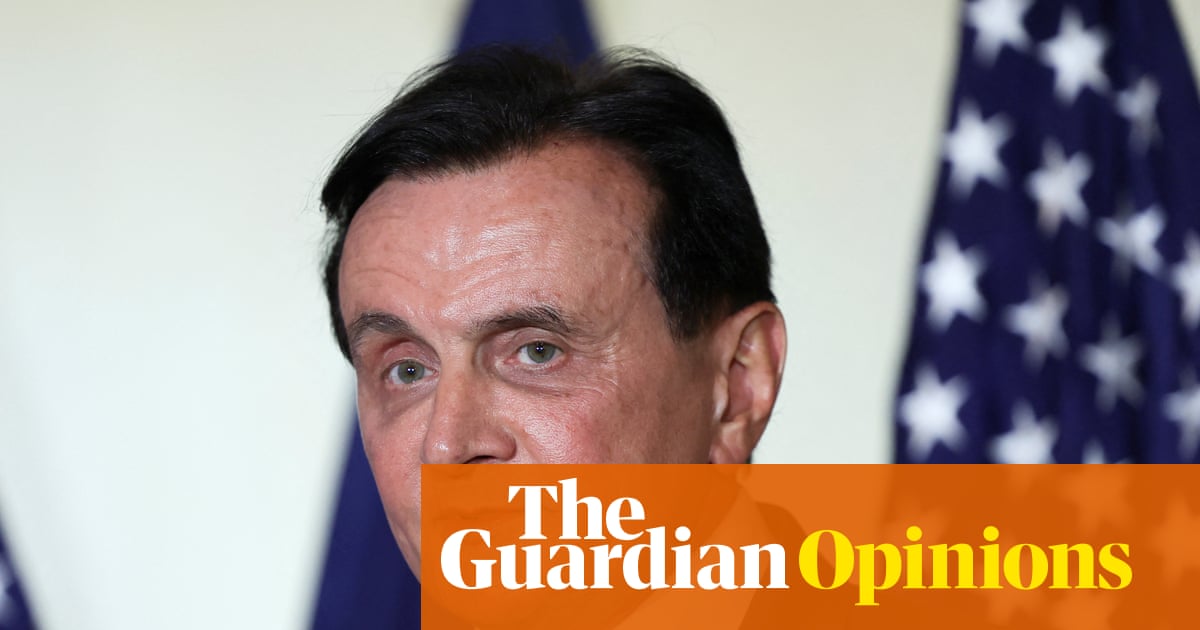
AstraZeneca is no longer considering a $400bn merger with Bristol Myers Squibb, raising questions about the company's strategy under CEO Sir Pascal Soriot.
AstraZeneca was going to buy another big drug company called Bristol Myers Squibb. But they decided not to do it anymore. The CEO thinks he should explain why.
Analysis
{"# The Deal That Wasn't: Why AstraZeneca Abandoned Its Merger Plans with Bristol Myers Squibb":"- AZ's focus on innovation over mergers has led to its success, but the lack of enthusiasm from shareholders raises questions about future strategy.\n- AI and emerging technologies are seen as potential game-changers in pharma, adding complexity to strategic decisions.","# The Role of Strategic Thinking: AstraZeneca’s Focus on the US Market":"- Soriot's emphasis on expanding AZ's presence in the US market could be a factor in his decision not to proceed with the merger.\n- The potential cost savings and dominance in oncology are seen as key factors in any deal.","# Transparency and Communication: A Call for More Clarity from AZ":"- Shareholders expect more transparency regarding AZ’s strategic direction, especially given Soriot's age and the company's focus on innovation."}
Key points
- AstraZeneca is no longer considering a merger with Bristol Myers Squibb
- The CEO should explain why shareholders lack enthusiasm for the deal
- AI and emerging technologies are seen as key factors in the pharma industry
The merger could have brought together two strong companies, but the lack of enthusiasm from shareholders suggests other opportunities for growth within AstraZeneca.
If AstraZeneca decides not to pursue mergers in the future, it might miss out on potential cost savings and market dominance.