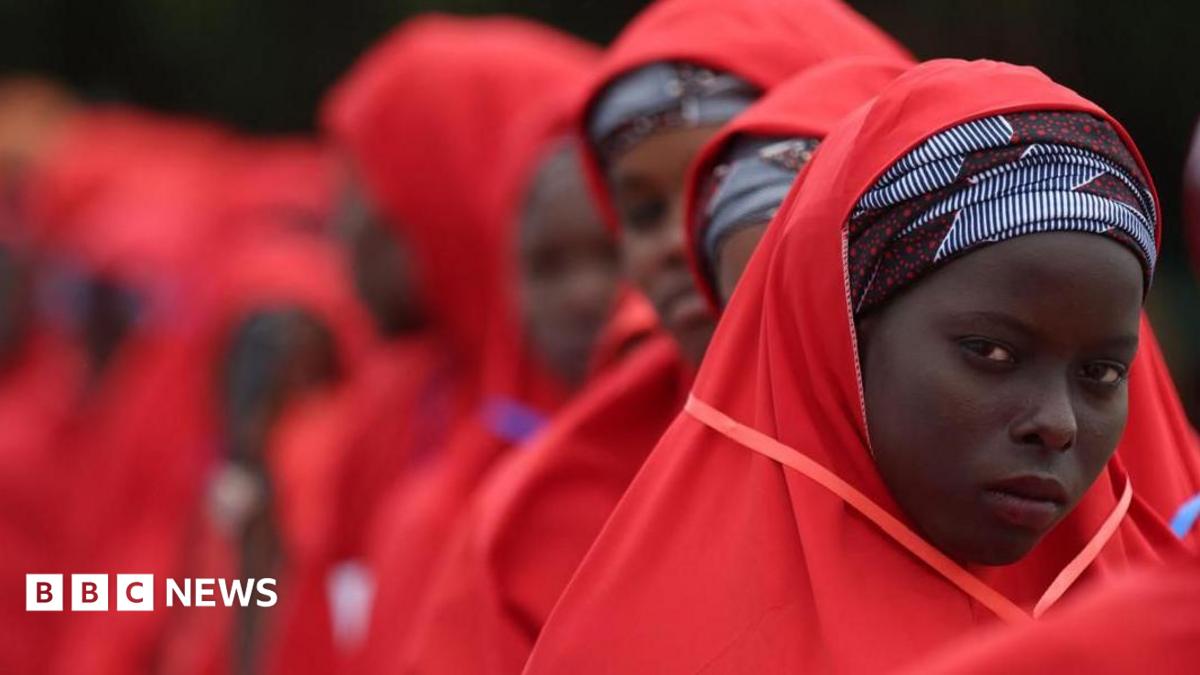
South Africa commemorates 1956 Women's March - but fight for freedom isn't over
South Africa commemorates the 70th anniversary of the 1956 Women's March against apartheid pass laws, acknowledging its historical significance while highlighting ongoing struggles with gender-based violence, poverty, and inequality.
Intelligence analysis by Gemini 2.5 Flash
Seventy years after 20,000 women marched to Pretoria to protest racist apartheid laws, South Africa reflects on this pivotal moment in its history. While the overt restrictions of apartheid have ended, many women feel their fight for true freedom is far from over, facing a "different monster" in the form of pervasive gender-based violence and persistent socio-economic disparities.
Imagine a long time ago, women in South Africa had to carry special papers just because of their skin color, which stopped them from moving freely. Seventy years ago, thousands of brave women marched to say this wasn't fair. Today, those papers are gone, but women still face big problems like violence and not having the same chances as men. It's like they won one big battle, but there's still another tricky monster they need to fight to be truly free and safe.
Analysis
South Africa's commemoration of the 1956 Women's March serves as a poignant reminder of the nation's journey from oppression to democracy, yet it simultaneously casts a stark light on the unfinished business of achieving full freedom and equality for its women. The article meticulously draws a parallel between the courage of women who defied apartheid's pass laws and the ongoing resilience required to combat modern-day societal scourges. This dual narrative highlights both the profound progress made and the significant hurdles that persist, particularly concerning safety and economic participation.
1956 Women's March
The 1956 Women's March was a monumental act of defiance, where approximately 20,000 women of diverse racial backgrounds converged on Pretoria to protest the apartheid regime's discriminatory pass laws. This event, seventy years ago, was a powerful demonstration against white minority rule, with participants risking severe repercussions including arrest and torture. Figures like Ramnie Dinat, who was a teenager at the time, recall the meticulous, door-to-door organizing efforts that underscored the collective determination to challenge injustice.
The march's legacy is celebrated for paving the way for future generations, as noted by Paralympic champion Kgothatso Montjane, who credits the women of 1956 for enabling her achievements. The event symbolized a unified front against systemic oppression, laying a foundational stone for the country's eventual transition to democracy. It remains a powerful symbol of women's agency and their critical role in the anti-apartheid struggle, inspiring continued activism for social justice.
Women's Jail
The Women's Jail, once a cornerstone of South Africa's apartheid prison system, now stands transformed into a museum near the Constitutional Court, symbolizing the nation's arduous journey. This site, where many leaders and participants of the 1956 march were incarcerated, serves as a stark reminder of the dehumanizing practices of racial segregation and oppression. Visitors Services Manager Nolubabalo Memese emphasizes how the jail was designed to break and humiliate, particularly Black women who were denied basic dignities.
Today, the museum honors not only prominent figures like Winnie Madikizela-Mandela and Albertina Sisulu but also countless ordinary women whose sacrifices often went unrecorded. The repurposing of some of the original bricks from the jail to construct the museum itself resonates deeply, representing a physical and symbolic transformation from a place of confinement to one of remembrance and education. This architectural choice underscores the enduring spirit of resilience and the commitment to never forget the past while building a more just future.
Gender-Based Violence
Despite the dismantling of apartheid in 1994, South African women continue to face a "different monster" that curtails their freedom: pervasive gender-based violence (GBV) and crime. A 2024 UN Women-supported study revealed that over one in three South African women have experienced physical or sexual violence in their lifetime, a statistic the UN has termed a "national wound." This crisis significantly impacts women's freedom of movement and economic participation, as highlighted by Memese, who notes the fear that prevents women from engaging in simple activities like jogging after dark.
Beyond physical safety, structural inequalities persist, with women more likely to be unemployed, shoulder unpaid care work, and remain underrepresented in senior leadership roles. Even in sports, as Kgothatso Montjane points out, financial obstacles create barriers to elite competition. These ongoing challenges demonstrate that while legal restrictions have been lifted, the fight for true freedom, safety, and equitable opportunities for women in South Africa is far from concluded, requiring continued vigilance and action from every generation.
Key points
- South Africa commemorates 70 years since the 1956 Women's March, where 20,000 women protested apartheid pass laws.
- The march, involving women of all races, was a pivotal moment in the fight against white minority rule.
- Despite the end of apartheid, South African women still face high rates of gender-based violence, poverty, and inequality.
- A UN Women-supported study in 2024 found over one in three South African women have experienced physical or sexual violence.
- The former Women's Jail, where many march leaders were held, is now a museum symbolizing the journey from oppression to democracy.
The commemoration reinforces the powerful legacy of the 1956 march, inspiring current generations to continue the fight for gender equality and justice. The recognition of ongoing challenges, coupled with the historical precedent of collective action, suggests a potential for renewed efforts and policy changes to address gender-based violence and structural inequalities.
Despite historical progress, the persistent high rates of gender-based violence and structural inequalities in South Africa indicate that the fight for women's freedom remains severely hampered. Without significant, sustained interventions, these issues could continue to deny women basic safety, economic participation, and true equality, undermining the gains made since apartheid.